


What Exactly Is the Skin Barrier?
Think of your skin's outermost layer, the stratum corneum, as a brick wall. The bricks are tough skin cells called corneocytes. The mortar holding them together is a mix of natural fats, or lipids, which include ceramides, cholesterol, and fatty acids.
This structure serves as your body's frontline defender. Its main jobs are to lock in moisture to keep skin hydrated and to block out a host of unwanted visitors, such as pollutants, bacteria, and allergens. When this barrier is strong and intact, your skin looks and feels calm, plump, and healthy. It’s the unsung hero responsible for your skin’s resilience.
Signs Your Barrier Might Be Damaged
When the 'mortar' in your skin's wall starts to crumble, you'll know it. The most common signs of a compromised skin barrier include persistent dryness, flakiness, and a tight feeling, even after you’ve moisturized. Your skin might become newly sensitive, stinging or burning when you apply products that it previously tolerated just fine. You may also notice increased redness, itchiness, inflammation, or even a sudden increase in breakouts. These issues are your skin's way of signaling that its defenses are down and it needs support.
The Everyday Culprits of Barrier Damage
Several factors in our daily lives can weaken this crucial shield. One of the most common culprits is an over-enthusiastic skincare routine. Over-exfoliating with harsh scrubs or acids, using stripping cleansers with high alcohol content, or layering too many active ingredients can strip away the protective lipids. Environmental stressors also play a significant role; sun exposure, pollution, cold weather, and dry air all put a strain on the barrier. Even things like chronic stress, lack of sleep, and taking long, hot showers can disrupt its delicate balance.
How to Repair and Protect Your Barrier
The good news is that a damaged barrier isn't permanent and can be repaired with a gentler approach. The first step is to simplify your routine. Hit pause on all exfoliating acids, scrubs, and strong retinoids until your skin feels calm again. Switch to a gentle, pH-balanced cleanser that doesn't leave your skin feeling tight or stripped. Focus on hydration and moisturization. Look for products formulated to support the barrier and apply them consistently. And, as always, protect your progress every single morning by wearing a broad-spectrum sunscreen to shield your skin from UV damage, a major barrier disruptor.
Key Ingredients to Look For
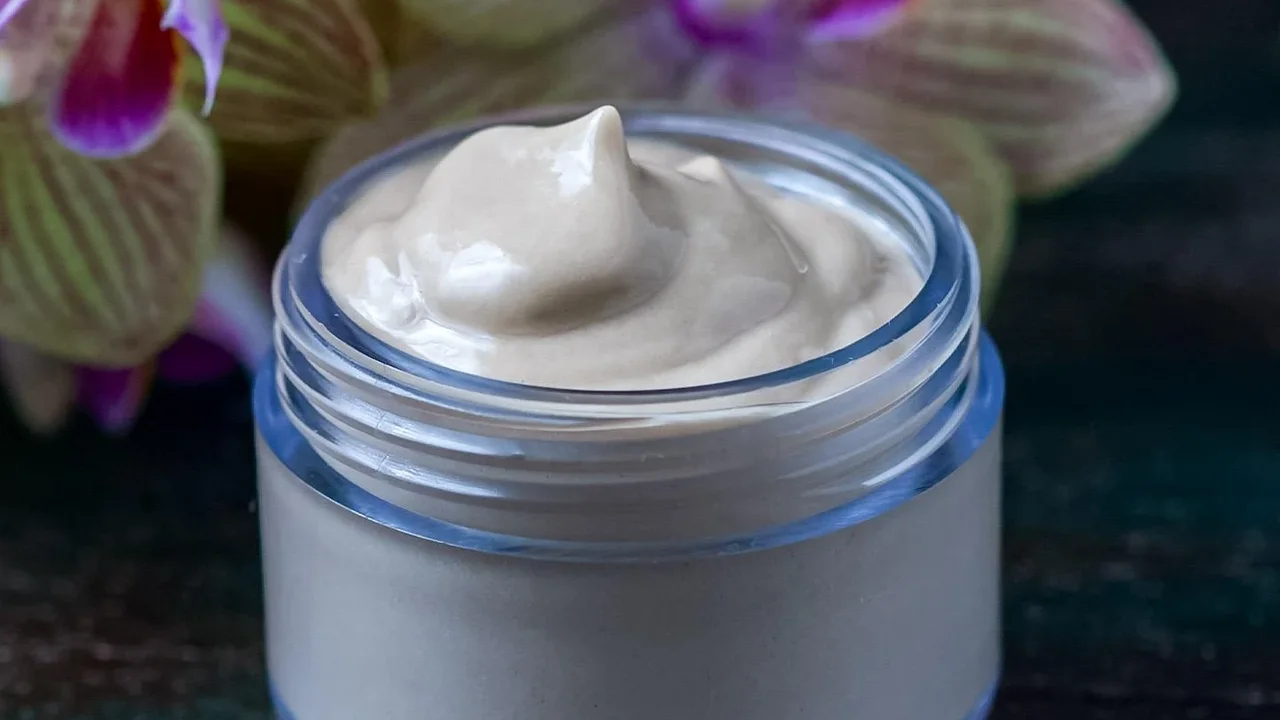
When rebuilding your barrier, certain ingredients are your best allies. Ceramides are essential, as they are the primary building blocks of the barrier itself, helping to replenish the 'mortar'. Niacinamide, a form of vitamin B3, is another powerhouse; it not only calms inflammation but also encourages your skin to produce more of its own ceramides. Humectants like hyaluronic acid and glycerin are great for drawing moisture into the skin, but be sure to apply them to damp skin and seal them in with a moisturizer. Finally, ingredients like squalane and peptides help to replenish lipids and support the skin's healing process.