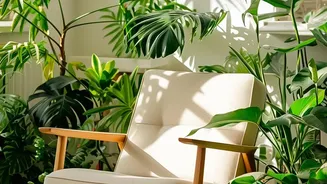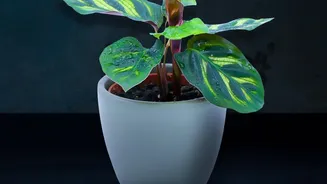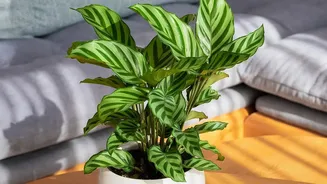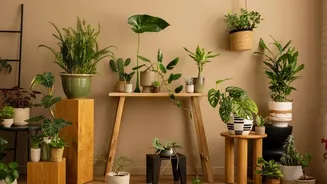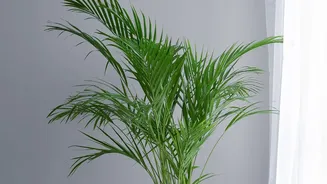



First, Understand Your Light
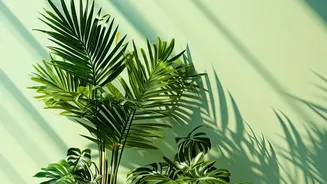
Before you choose a plant, you need to become a light detective in your own home. The most crucial factor for a plant's survival is the amount of light it receives. A simple way to assess this is the shadow test. Around noon, hold your hand a foot above
a piece of white paper in the spot you have in mind for a plant. If you see a sharp, clearly defined shadow, you have bright light. A softer, fuzzier shadow indicates medium light. If the shadow is faint or barely there, you're working with low light. South-facing windows typically offer the brightest, most intense light, while north-facing windows provide the least. East-facing windows give gentle morning sun, and west-facing ones provide strong afternoon sun.
For Sun-Drenched Spots: Bright Light Lovers
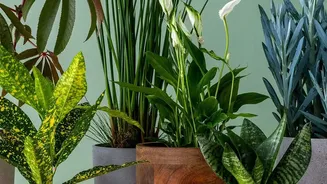
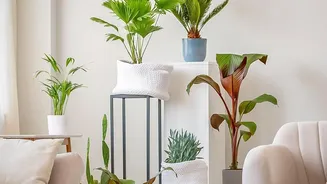
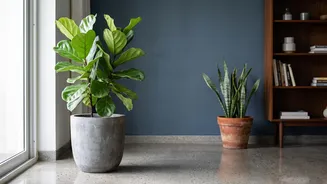
A room that gets several hours of bright, indirect sunlight is a paradise for many stunning plants. These are perfect for living rooms or near south or west-facing windows. Just be mindful that 'bright light' doesn't always mean scorching, direct sun, which can burn the leaves of many popular houseplants. Good choices include the Fiddle-Leaf Fig (Ficus lyrata), a designer favourite known for its large, violin-shaped leaves. Another great option is the vibrant Croton, which boasts colourful foliage that needs plenty of light to stay brilliant. For something with medicinal value, Aloe Vera thrives in bright, sunny conditions and is a useful succulent to have on hand. Even the popular Snake Plant, known for its low-light tolerance, will grow more vigorously in a brighter spot.
For Shady Corners: Low-Light Survivors
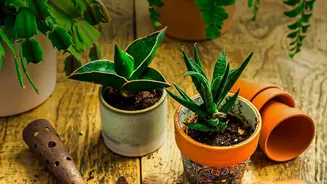
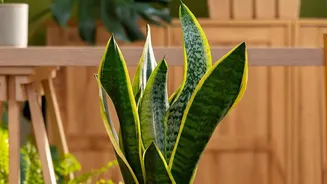
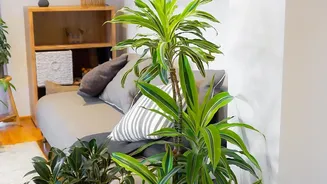
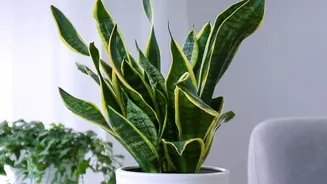
Don't let a dim hallway or a north-facing room stop you from cultivating an indoor jungle. Many plants have adapted to survive in lower light conditions, making them ideal for these forgotten corners. The ZZ Plant (Zamioculcas zamiifolia) is famously tough and almost impossible to kill. Its glossy, dark green leaves look elegant, and it can tolerate infrequent watering and very little light. Another classic is the Pothos, or Money Plant, a versatile vine that can be left to trail from a shelf or trained to climb. It adapts well to various light levels and is very forgiving for beginners. Finally, the Snake Plant (Sansevieria trifasciata) is a true champion of low light. It is virtually indestructible, purifies the air, and its upright, architectural leaves add a modern touch to any space.
Plants for That In-Between Space
Many rooms don't fall neatly into 'bright' or 'dim' categories. For spaces with medium, filtered light, such as near an east-facing window or a few feet back from a brighter one, you still have plenty of options. The Peace Lily (Spathiphyllum) is a wonderful choice, known for its elegant white blooms and its handy ability to droop when it needs water. Philodendrons are another adaptable family of plants with many varieties that do well in medium to low light. Their heart-shaped leaves add a lush, tropical feel. The Chinese Evergreen (Aglaonema) is also highly adaptable and comes in a variety of leafy patterns, thriving even in office environments with artificial light.
A Few Universal Care Tips
Regardless of the light, most houseplant problems stem from incorrect watering. The most common mistake is overwatering, which leads to root rot. Always check the soil before you water again. A good rule of thumb for most plants is to let the top inch or two of soil dry out completely. Plants in lower light will need water less frequently than their sun-basking counterparts. Use pots with drainage holes to allow excess water to escape. Finally, remember to rotate your plants every few weeks. This ensures all sides get some light exposure, preventing them from leaning and encouraging even, upright growth.