






Jupiter's Dazzling Disappearing Act
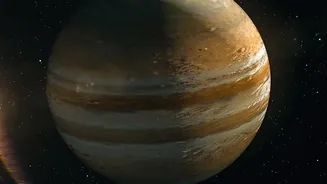
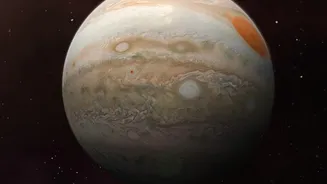
The standout event this October is a rare lunar occultation of Jupiter on the morning of October 6. An occultation is when one celestial body passes in front of another, temporarily hiding it from view. In the pre-dawn hours, a slim waning crescent Moon
will drift in front of the giant planet, causing it to seemingly vanish for about an hour. This dramatic event will be best viewed from parts of North America and Africa. For observers in India and other parts of the world, this event will still appear as an exceptionally close and beautiful conjunction, with the Moon and the brilliant planet rising together in the east before sunrise. Jupiter will be a magnificent, bright light in the morning sky all month long, easily visible to the naked eye.
The Hunter's Moon Rises
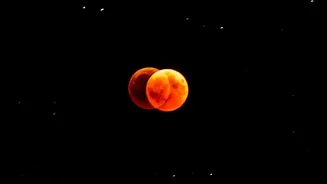
October’s full moon, traditionally known as the Hunter's Moon, will rise on the evening of October 25 and reach its peak fullness early on October 26. The name is tied to the season following the harvest, when the bright moonlight would historically help hunters track game in the cleared fields. The Hunter's Moon often appears with a striking orange or reddish hue as it rises above the horizon, an effect caused by viewing it through a thicker layer of Earth's atmosphere. In India, the full moon will peak during the daytime on October 26, which means the best time to watch will be the moonrise on the evening of October 25. This provides a fantastic opportunity to see a large, colourful moon appearing on the eastern horizon around sunset.
The Moon's Monthly Tour
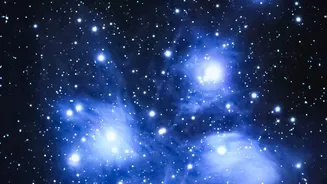
Beyond its encounter with Jupiter, the Moon will make several other notable appearances. On October 5, the day before its rendezvous with Jupiter, the waning crescent Moon will pass very close to Mars in the pre-dawn sky. Later in the month, from October 27 to 28, the waxing moon will visit the famous Pleiades star cluster, also known as the Seven Sisters. This beautiful pairing will be visible high in the eastern sky in the evening and is a stunning sight through binoculars. These events showcase the Moon's constant journey across our sky, regularly pointing the way to other celestial wonders.
How to Get the Best View
You don't need expensive equipment to enjoy October's sky show. Most of these events, including the Moon's conjunctions with Jupiter and Mars, are visible with the naked eye. However, a pair of binoculars or a small telescope will dramatically enhance the view. Binoculars will reveal the individual stars of the Pleiades cluster and may even show you Jupiter's four largest moons, known as the Galilean moons. For the best experience, find a viewing spot away from bright city lights. Give your eyes about 15-20 minutes to fully adjust to the darkness. This will allow you to see fainter stars and get a much richer view of the cosmos. Stargazing apps on your smartphone can also be a great help in identifying planets and constellations.
Don't Miss These Other Sky Treats
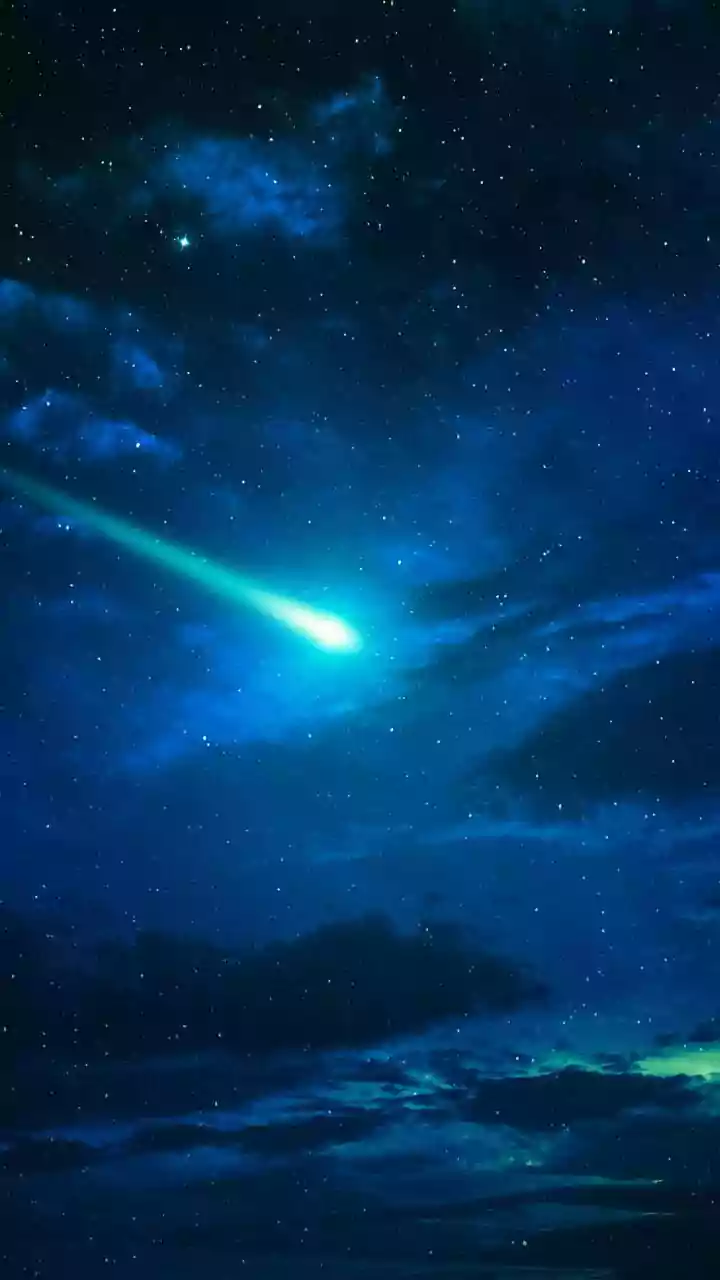
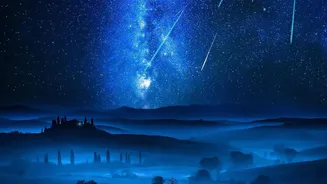
While the Moon and Jupiter are the main attractions, there are other sights to catch. Saturn reaches opposition on October 4, meaning it will be at its biggest and brightest for the year, visible all night long. It rises in the east around sunset and offers a great opportunity to spot its famous rings with a telescope. October also brings the Orionid meteor shower, which peaks on the night of October 21-22. Though a bright moon will interfere this year, you may still catch some of these fast, bright meteors—debris left behind by Halley's Comet—in the hours before dawn after the moon has set.