







First Question: Is My Meal Adequate?
Adequacy is the foundation of a healthy diet. It means ensuring you get enough of the essential nutrients your body needs to function optimally. This isn't about stuffing yourself, but about making sure your meals provide sufficient energy, vitamins,
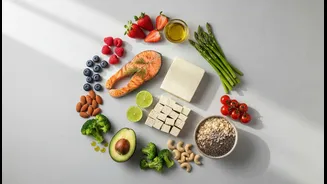
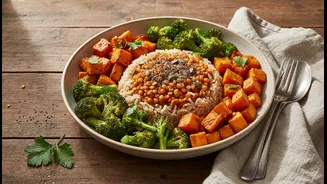
minerals, protein, and fibre. For example, an adequate diet prevents deficiencies that can lead to issues like anaemia from low iron or weakened bones from insufficient calcium. Think about your plate: a simple bowl of rice is energy, but adding dal provides protein, a vegetable sabzi adds vitamins and fibre, and a spoonful of ghee offers healthy fats. This combination makes the meal nutritionally adequate, providing the building blocks your body requires for everything from energy production to immune defence.
Second Question: Is It Balanced?
Balance is the art of not letting one nutrient or food group dominate at the expense of others. The traditional Indian thali is a perfect illustration of this principle in action. It naturally balances carbohydrates (roti or rice), protein (dal, paneer, or meat), and a host of vitamins and minerals from various vegetable dishes. A balanced diet ensures you get a healthy ratio of macronutrients—carbohydrates, proteins, and fats. It’s about synergy. Too many carbs without enough protein can lead to energy spikes and crashes. Too little fat can hinder the absorption of important vitamins. The World Health Organization (WHO) notes that balancing energy intake with energy expenditure is a core tenet of healthy eating. By aiming for a colourful plate with components from different food groups, you create a meal that works in harmony.
Third Question: Am I Practising Moderation?
Moderation is perhaps the most misunderstood principle, often confused with deprivation. In reality, it’s the opposite: moderation allows you to enjoy all foods without guilt by focusing on portion size and frequency. It means not eating to extremes—neither too much nor too little. No food is off-limits forever. Craving a gulab jamun or a hot samosa? Moderation means enjoying one or two occasionally, rather than making them a daily habit. This approach helps dismantle the unhealthy 'good food' versus 'bad food' mindset. A diet can include treats and still be healthy. The key is to limit foods high in sugar, unhealthy fats, and sodium, not eliminate them entirely. By practising portion control and being mindful of how often you indulge, you can maintain a healthy weight and diet without feeling restricted.
Fourth Question: Is My Diet Diverse?
Variety is the spice of life, and it’s also a cornerstone of good nutrition. Eating a diverse range of foods ensures you get a broad spectrum of nutrients, as no single food contains everything your body needs. Different foods offer different phytochemicals, vitamins, and minerals. For instance, instead of eating the same dal every day, try rotating between tur, moong, masoor, and chana. Instead of just potatoes and onions, explore the wealth of seasonal vegetables available in India—from leafy greens like palak and methi in the winter to gourds like lauki and tori in the summer. Eating a variety of fruits, vegetables, grains, and proteins not only keeps your meals interesting but also supports a robust gut microbiome and lowers your risk of chronic diseases.