





Houston, We Have a Bowel Problem
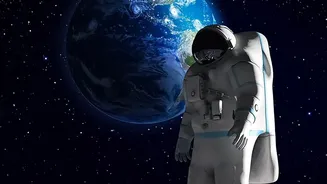
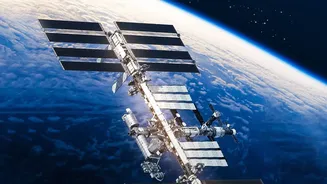
It might not be the most glamorous topic, but gastrointestinal issues are a well-documented problem for space travelers. Astronauts on the International Space Station (ISS) commonly report symptoms like constipation, bloating, and indigestion. For years,
these issues were seen as an uncomfortable but manageable side effect of living in a microgravity environment. Laxatives are even a standard item in the medical kits for most space missions. However, as humanity sets its sights on longer journeys, such as a seven to nine-month trip to Mars, simply managing symptoms is no longer enough. Researchers now understand that these gut problems are more than just an inconvenience; they are a window into complex physiological changes that could have significant long-term health consequences, making this a critical area of study for ensuring astronaut well-being on future deep-space missions.
The Microgravity Effect on Digestion
On Earth, gravity plays a silent but crucial role in helping move food through our digestive tract. In space, the body must rely solely on peristalsis—the wave-like muscle contractions of the intestines—to do the job. Recent research from NASA and the University of Copenhagen, based on samples from 52 astronauts, has pinpointed a key reason for the digestive slowdown. In microgravity, food appears to move more slowly through the intestines. This sluggish transit time gives the bacteria in our gut more time to process food. As a result, they run out of their preferred fuel, carbohydrates and fiber, and begin to ferment protein instead. This shift in bacterial activity, which begins within weeks of arriving in space, produces different metabolic byproducts that enter the bloodstream and are believed to be the primary cause of astronaut constipation.
The Microbiome Under the Microscope
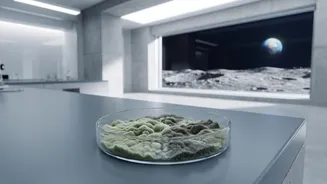
The core of the research focuses on the gut microbiome—the trillions of bacteria, viruses, and fungi living in our digestive systems. A healthy, diverse microbiome is essential for everything from digestion and nutrient absorption to immune function. Spaceflight dramatically alters this delicate ecosystem. Studies have shown that the balance of bacteria can shift, with a potential decrease in beneficial microbes and an increase in those associated with inflammation. Researchers are meticulously tracking these changes by analyzing blood, saliva, and fecal samples from astronauts before, during, and after their missions. The famous NASA Twins Study, which compared astronaut Scott Kelly during his year in space to his twin brother on Earth, revealed significant shifts in the gut microbiome, providing clear evidence of spaceflight's impact. Understanding these microbial shifts is key, as they are linked not only to digestive health but also to immune system dysregulation and even mental well-being via the gut-brain axis.
Finding Solutions for Future Martians
With a clearer picture of the problem, scientists are now focused on developing effective countermeasures. The most immediate solution lies in diet. Researchers suggest that astronauts consume a diet rich in high-fiber and slow-fermenting carbohydrates, such as vegetables, nuts, and lentils. This would provide the gut bacteria with a steady supply of their preferred fuel, preventing the shift to protein fermentation. Beyond diet, scientists are exploring the use of prebiotics and probiotics to support a healthy gut environment. Another avenue of research involves bioengineering space-grown crops to be more nutrient-dense and contain compounds that could specifically target issues like intestinal permeability or 'leaky gut'. The goal is to create personalized nutrition plans and countermeasures that can keep astronauts healthy and fully functional on the long and arduous journey to Mars and beyond, with findings that could also help bedridden patients on Earth who face similar digestive issues.