





An Undiscovered Corner of Andhra Pradesh
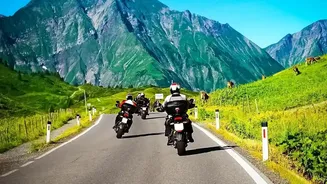
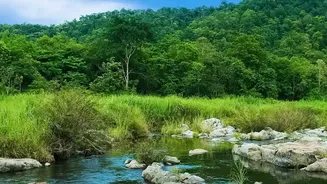
Parvathipuram Manyam is a relatively new district, known more for its significant tribal population and remote terrain than as a tourist destination. However, its landscape is precisely what makes it so appealing for adventure tourism. With winding ghat
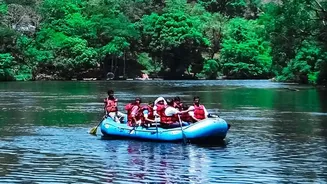
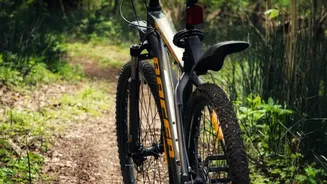
roads, lush forests, and a network of rivers, the region is a natural playground for riding enthusiasts who are tired of crowded circuits and seeking authentic, off-the-beaten-path experiences. The district administration has identified this untapped potential and is actively working to develop the area into a premier destination for motorcycle and eco-tourists.
Crafting the Perfect Riding Circuits
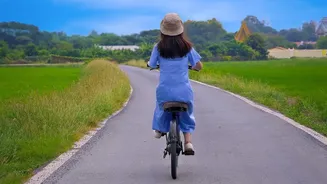
The administration's plan focuses on creating designated tourism circuits, each approximately 30 kilometres long, designed to showcase the best of the district. Officials have been tasked with identifying routes across all four of the district's assembly constituencies—Parvathipuram, Kurupam, Salur, and Palakonda—that combine safe riding roads with scenic viewpoints, waterfalls, and facilities for overnight stays. These routes are already popular with some local riders and cyclists, but the new initiative aims to formalize them, adding rest shelters, trekking trails, and better signages to enhance the experience for travellers from farther afield.
More Than Just a Ride
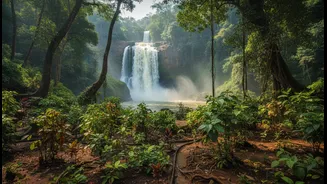
The allure of Manyam extends far beyond its roads. The district is being branded as the “Home of Waterfalls,” with the administration developing infrastructure around at least ten key sites, including Lodda, Thonam, Moganali, and Sikhaparuvu waterfalls. Some of these, like the Lodda Waterfall in Salur mandal which cascades from nearly 100 feet, are already drawing significant crowds from across Andhra Pradesh and neighbouring Odisha. Beyond the natural wonders, the region offers rich cultural experiences. A tribal museum is being established in Seethampet to showcase local heritage, and ancient temples like the Kaasi Visweswara Temple and Thotapalli Kalyana Venkateswara Swamy Temple add a spiritual dimension to any journey.
A Boost for Local Communities
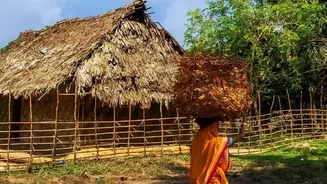
A central pillar of this tourism drive is the economic empowerment of local tribal communities. The plan is not just to attract tourists, but to ensure the benefits flow directly to the residents. A successful pilot program, the state's first tribal bike taxi service, saw local Adivasi youth ferrying visitors to remote waterfalls that were previously accessible only by trekking for several kilometres. This community-led approach is being expanded, with local Adivasis building amenities like bamboo bridges and clearing pathways themselves. The administration is also providing support for locals to set up small shops and services, with financial assistance to help them operate these facilities and become tourism entrepreneurs.
The Road Ahead
While the enthusiasm is high, there are challenges to address. Ensuring road connectivity, providing secure accommodation, and promoting the destination to a wider audience are critical next steps. To make tourism more interactive and organized, authorities are installing QR code boards with information about attractions and developing a dedicated website for booking meals and stays in advance. Adventure activities like rock climbing are also being planned to diversify the offerings. This focus on building a sustainable and well-supported tourism ecosystem is key to transforming Manyam's potential into a reality, ensuring that the region's natural beauty is preserved while creating lasting opportunities for its people.