







The Problem with Prolonged Sitting
Our bodies are designed for movement. When we sit for extended periods, as most screen-bound workers do, we enter a state of prolonged static posture. This inactivity may seem harmless, but it sets off a cascade of negative effects. Muscles that are meant
to support our posture, like those in our core and glutes, become inactive and weaken. Blood circulation slows down, particularly to the lower limbs. Most critically, sitting, especially with poor posture like slouching, places immense and sustained pressure on the vertebrae and discs in our spine, particularly in the lower back and neck. Over time, this static load fatigues muscles, strains ligaments, and can lead to significant discomfort and even chronic conditions.
From Niggles to Chronic Pain
What begins as a minor ache can evolve into a more serious musculoskeletal disorder (MSD). Common complaints among desk workers include lower back pain, neck and shoulder strain (often called 'tech neck'), and wrist discomfort. This happens because prolonged static posture forces certain muscles to remain tense and overworked while others weaken. For instance, craning your neck forward to see a screen strains the muscles in your neck and upper back. Slouching compresses the lumbar spine. Even the repetitive, small motions of typing with poorly positioned wrists can contribute to conditions like carpal tunnel syndrome. Research shows a clear link between these sedentary work habits and the high prevalence of musculoskeletal pain among office workers.
Introducing Desk Movement Interventions
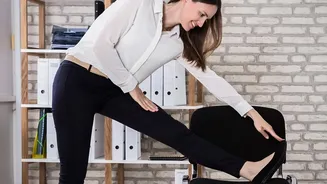
The solution isn't necessarily to abandon your desk, but to break the cycle of static posture. This is where 'desk movement interventions' come in. The term refers to any activity that introduces voluntary motion into the workday. This is a broad category that includes more than just investing in a standing desk. It's about consciously changing your position and moving your body regularly. This can be as simple as standing up every 30 minutes, taking short walks during phone calls, or performing simple stretches right at your workstation. Even small, intentional actions, sometimes called 'micro-movements,' can make a significant difference. The key principle is frequency over intensity; consistent, small movements are often more beneficial than one long, stationary period.
The Science of Relief
So, why is this movement so effective? When you stand up, stretch, or walk, you are essentially hitting a reset button for your body. Firstly, it reactivates dormant muscles, reminding your core and glutes to engage and support your spine properly. Secondly, it boosts blood circulation, delivering fresh oxygen and nutrients to fatigued muscles and helping to clear out metabolic waste. Thirdly, it changes the loads on your spine. Moving from sitting to standing decompresses the lumbar discs and allows the ligaments and muscles to relax from a sustained, tensed position. Studies have shown that these active breaks can effectively reduce musculoskeletal pain and relieve both physical and mental stress. Even just a few minutes of movement can improve posture, lubricate joints, and break the pattern of strain before it becomes painful.
Putting It into Practice Today
Integrating movement into your workday doesn't require a gym membership or a major schedule overhaul. Start with simple, achievable habits. A popular method is to set a timer to stand up, stretch, and walk around for a few minutes every half hour. When you do, perform simple shoulder rolls and neck stretches to release tension in your upper body. While seated, you can do gentle core-engaging exercises like swivelling in your chair or seated leg extensions. Consider walking around your office during phone calls or taking the stairs instead of the lift. Ergonomics still matter—ensure your monitor is at eye level and your wrists are in a neutral position—but frequent movement is the dynamic element that brings it all together for a healthier, more comfortable workday.