





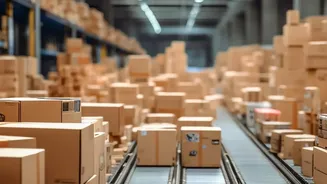

The convenience of clicking 'buy now' and receiving a package within days, or even hours, is an urban luxury many Indians now take for granted. But behind this seamless experience, a quiet revolution is reshaping the country's economic geography.
Beyond the Metros: A Structural Shift
For decades,
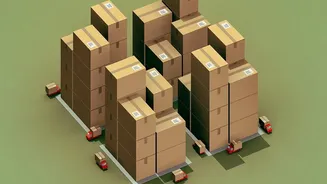
India's supply chain was a straightforward affair: large, centralized warehouses were built on the outskirts of metros like Mumbai, Delhi, and Bengaluru to serve the largest population centers. This hub-and-spoke model was efficient when e-commerce was a niche urban phenomenon. Today, that model is straining. The next wave of India's e-commerce growth is not coming from the metros, but from hundreds of Tier-2 and Tier-3 cities. According to industry data, these non-metro markets already contribute a majority of online orders and are growing at a significantly faster pace than their metropolitan counterparts. This has forced a fundamental rethink of logistics. Instead of a few massive hubs, the future is a distributed network of smaller, strategically located regional fulfillment centers in cities like Nagpur, Lucknow, Coimbatore, and Guwahati.
The Push and Pull Factors
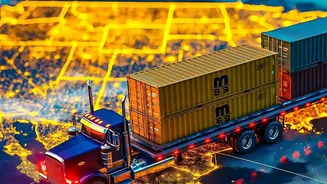
Several forces are driving this decentralization. The 'push' comes from the metros themselves, where skyrocketing real estate prices and traffic congestion make building and operating large warehouses increasingly unsustainable. The 'pull' comes from the smaller cities. A growing consumer base with rising disposable incomes and smartphone penetration has created massive new markets. E-commerce platforms and Direct-to-Consumer (D2C) brands can no longer afford to serve a customer in Patna or Jaipur from a warehouse in Mumbai; the delivery times are too long and the costs too high. Government initiatives like the PM Gati Shakti plan and the development of national highways and freight corridors are also making it easier and more cost-effective to transport goods across the country, empowering these emerging regional hubs.
Faster, Cheaper, Closer
The primary benefit of regional hubs is simple: they move inventory closer to the end customer. This has a cascading effect on the entire supply chain. Delivery times are slashed from days to hours, a critical factor as customer expectations for speed continue to rise. Shipping costs are also reduced significantly, as companies can avoid expensive long-haul, single-package deliveries and instead ship goods in bulk to a regional hub for local distribution. This strategy also improves supply chain resilience. During disruptions—whether from bad weather, local lockdowns, or transport strikes—a distributed network is less vulnerable than one dependent on a single point of failure. It allows companies to reroute shipments and maintain service levels, ensuring business continuity.
Ripple Effects and New Challenges
The rise of these logistics hubs creates a powerful economic ripple effect. It spurs local job creation, not just for warehouse staff and delivery drivers, but also in supporting services. It fuels demand for better local infrastructure, from roads to digital connectivity. However, this expansion is not without challenges. Many smaller cities grapple with inconsistent road quality, non-standardised addresses, and a shortage of skilled logistics personnel. Furthermore, the reliance on Cash on Delivery (COD) is higher in these markets, which adds a layer of operational complexity and financial risk for logistics providers. Technology is key to overcoming these hurdles. Advanced route optimisation, offline-first delivery apps that work in low-connectivity areas, and digital payment incentives are becoming essential tools for success.