






Why the Monsoon Upsets Your Stomach
The rainy season creates a perfect storm for health troubles. High humidity and moisture provide an ideal breeding ground for bacteria and viruses. This increases the chances of food and water contamination, leading to a surge in gastrointestinal infections
like diarrhoea, food poisoning, and gastroenteritis. Even clean-looking water can carry harmful microorganisms, and food spoils much faster. This combination puts our digestive systems and immunity under significant stress, making us more susceptible to common monsoon illnesses.
Probiotics: Your Gut's Best Friend
This is where probiotics come in. Probiotics are live, beneficial bacteria that support your gut health, which is home to about 70% of your immune system. A healthy gut microbiome helps regulate immune responses, improves digestion, and creates a barrier against harmful pathogens. By consuming probiotic-rich foods, you introduce these friendly microbes into your system. They compete with 'bad' bacteria for space, produce substances that inhibit harmful germs, and help strengthen your gut lining. This makes your body more resilient against the infections that are common during the monsoon.
Elixir 1: Tangy Carrot & Beetroot Kanji
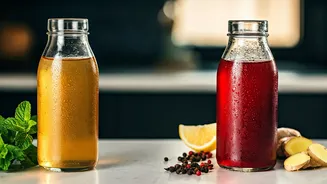
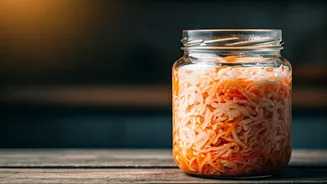
Kanji is a traditional fermented drink from North India, typically made with black carrots, but red carrots and beetroot work just as well. It's a tangy, sour, and savoury drink packed with gut-friendly bacteria. To make it, you'll need a large, clean glass or ceramic jar. Wash and slice 2-3 carrots and a small beetroot. Place them in the jar with 1 tablespoon of coarsely ground mustard seeds and black salt to taste. Fill the jar with about 2 litres of boiled and cooled water. Cover the mouth of the jar with a muslin cloth and let it ferment in a sunny spot for 2 to 4 days, stirring daily with a wooden spoon. The drink is ready when it has a pleasant tangy taste. Strain and refrigerate.
Elixir 2: Cooling & Classic Chaas
Buttermilk, or Chaas, is a staple in many Indian households and an excellent source of probiotics that aid digestion and boost immunity. To prepare a probiotic-rich Chaas, take one part fresh curd (dahi) and mix it with three parts water. Blend it until smooth. For flavour and added digestive benefits, add a pinch of black salt and some roasted cumin (jeera) powder. You can also add finely chopped coriander or mint leaves. Unlike store-bought versions that may have preservatives, homemade chaas provides live bacterial cultures that help soothe the stomach, prevent bloating, and keep you hydrated.
Elixir 3: Humble Fermented Rice Water
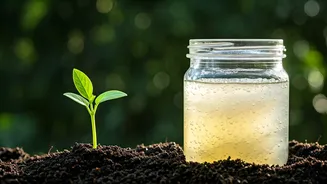
Known as Panta Bhat in Bengal or Pakhala in Odisha, fermented rice is a simple yet potent probiotic source. The process involves soaking leftover cooked rice in water overnight at room temperature. By morning, the water becomes slightly cloudy and sour, indicating it's fermented and rich in beneficial bacteria and B vitamins. This fermented liquid, or 'kanji', is incredibly easy to digest and helps cool the body. Simply consume the water along with the soft rice, adding a pinch of salt and a dash of mustard oil for a traditional flavour.
Tips for Safe Home Fermentation
While making fermented drinks at home is simple, safety is crucial to ensure you're cultivating good bacteria, not harmful ones. Always start with thoroughly cleaned and sterilised jars and utensils; boiling them in water for a few minutes is a good practice. Use good quality, fresh ingredients and filtered or boiled-and-cooled water, as chlorine in tap water can inhibit fermentation. Use non-iodised salt like rock salt or sea salt, as iodine can affect the process. During fermentation, if you notice any mould, a foul smell, or an unpleasantly slimy texture, it is best to discard the batch and start over.