


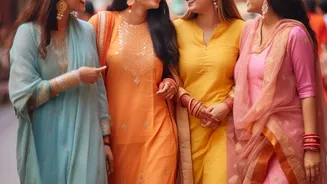
The great Indian wedding season is a whirlwind of joy, celebration, and… a wardrobe crisis. The pressure to buy expensive, heavily embellished outfits for every function, only to have them gather dust, is a familiar dilemma. But change is here.
The End of the Single-Wear Splurge
For years,
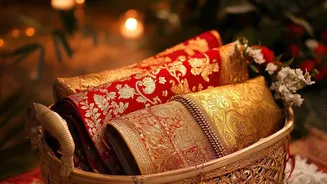
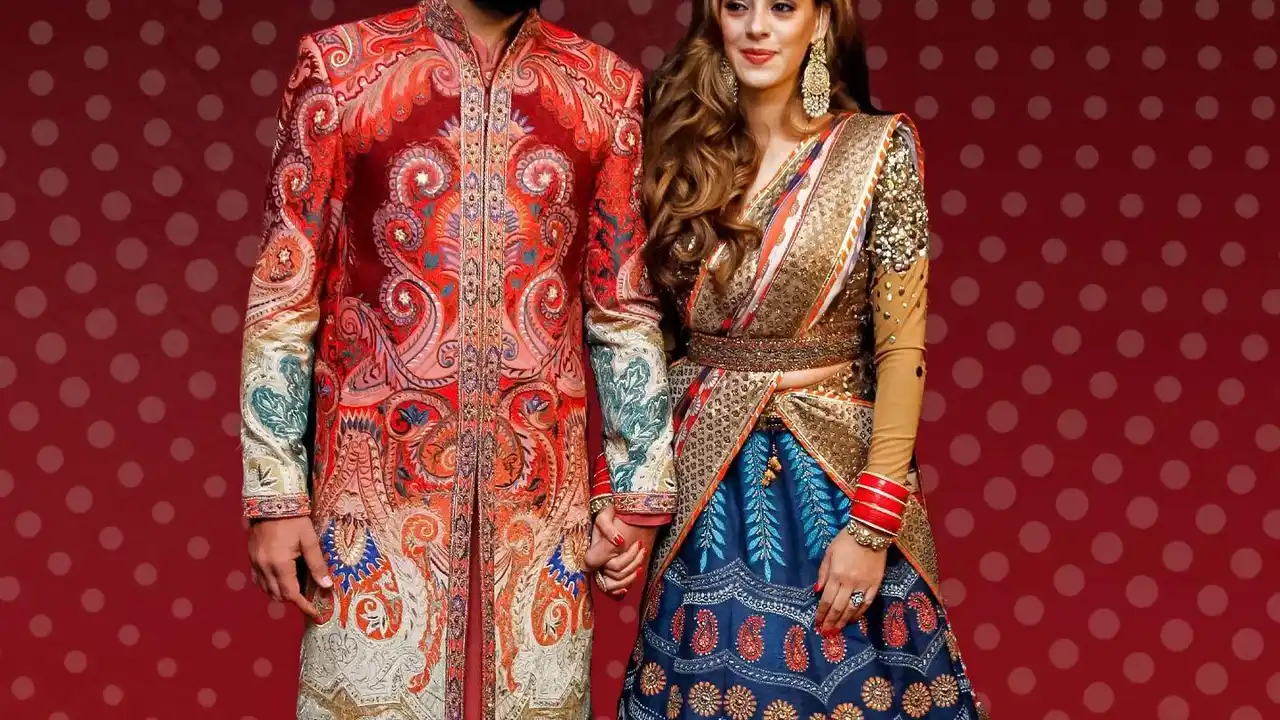
the unwritten rule of wedding attendance involved purchasing a brand-new outfit for each major event. This cycle of 'buy, wear once, and store' has created wardrobes full of gorgeous but impractical garments. Not only is this a significant financial drain, with bespoke lehengas and sarees running into tens of thousands or even lakhs of rupees, but the environmental cost is also staggering. The fast fashion mindset has made disposable clothing more common, but a counter-movement is gaining strength, driven by Gen Z and Millennial consumers who are questioning this model. They are seeking smarter, more conscious ways to be festive and fashionable.
The Rise of the Rental Wardrobe
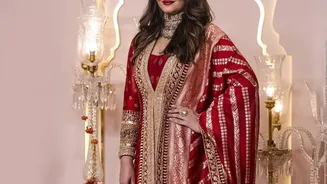
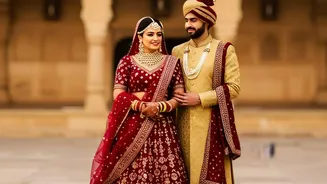
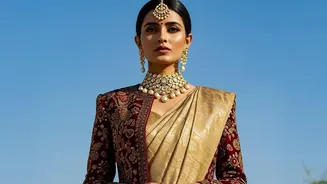
Enter the game-changer: ethnic wear rental platforms. Services like Flyrobe, Rent an Attire, and Stage3 are becoming mainstream choices for wedding guests and even brides. These platforms offer access to high-end designer wear—from a Sabyasachi lehenga to a Tarun Tahiliani gown—at a fraction of the retail price. The process is simple: browse online, select an outfit, and have it delivered, dry-cleaned, and ready to wear for your event. This model directly addresses the desire for variety and the 'no-repeats' pressure of the social media age without the commitment of ownership. Concerns about hygiene are addressed with intensive, professional cleaning processes, making it a reliable and attractive option.
Investing in Rewearability
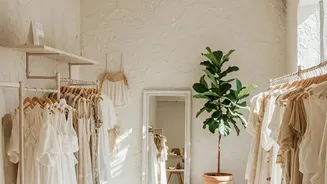
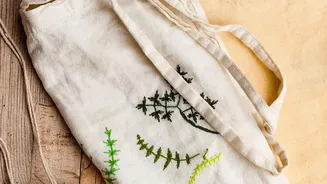
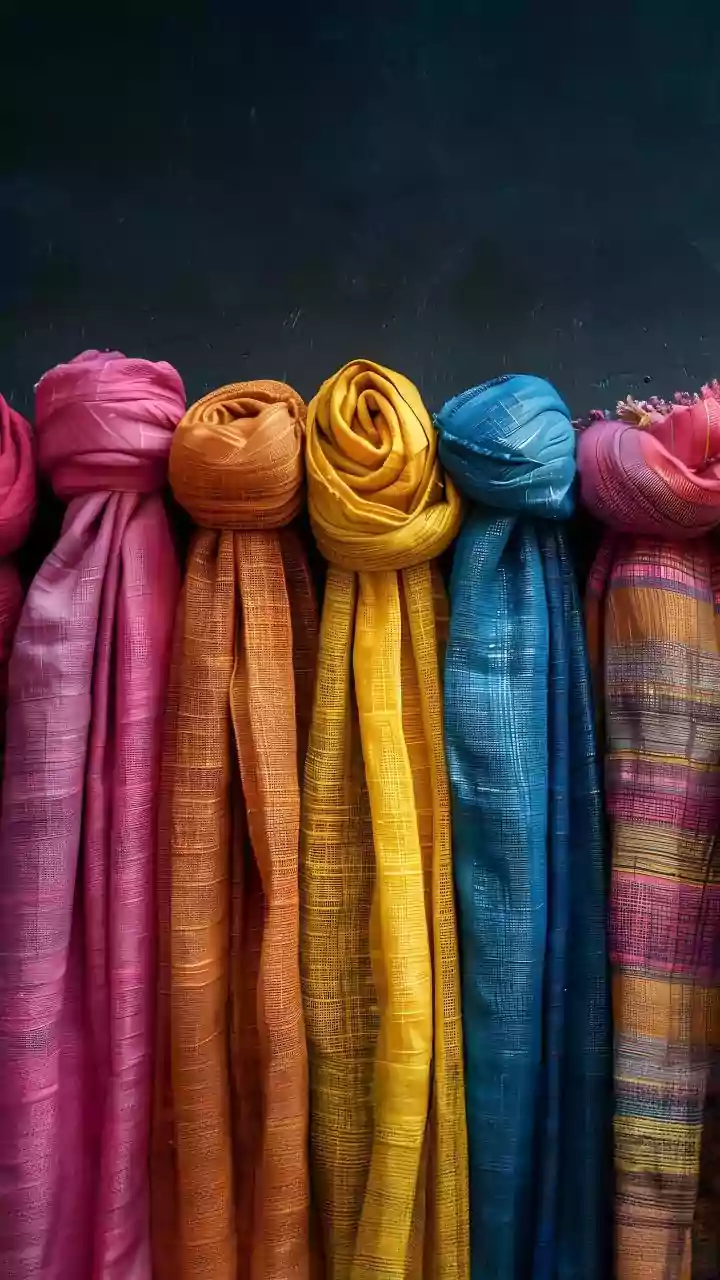
Alongside renting, a parallel trend is reshaping purchasing habits: the demand for rewearable fashion. Instead of buying a garment defined by a single occasion, shoppers are investing in versatile pieces that can be styled in multiple ways. Think modular outfits: a crop top and skirt that can be worn together as a lehenga, but also separately with other items in a wardrobe. Designers are responding by creating lighter lehengas, pre-draped sarees, and separates in breathable, durable fabrics like organic cotton, Chanderi, and Tencel blends. This shift prioritises comfort and personal expression, moving away from the 25-kilo lehengas of the past towards fluid silhouettes you can actually dance in.
A New Language of Style
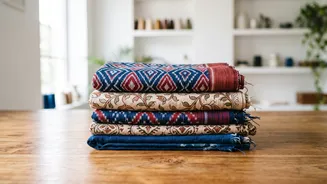
This evolution is more than just a trend; it's a fundamental shift in how we think about celebration and style. It reflects a growing consciousness among younger Indians who value experiences over possessions and sustainability over extravagance. The new wedding wardrobe is a hybrid one, mixing rented statement pieces with owned, versatile classics. It's a style that is both economically savvy and ecologically responsible. By choosing to rent a showstopper or buy a timeless handloom saree that can be reimagined for years to come, consumers are making a powerful statement. They are proving that being the best-dressed guest isn't about wearing the newest thing, but about wearing it in the smartest way.