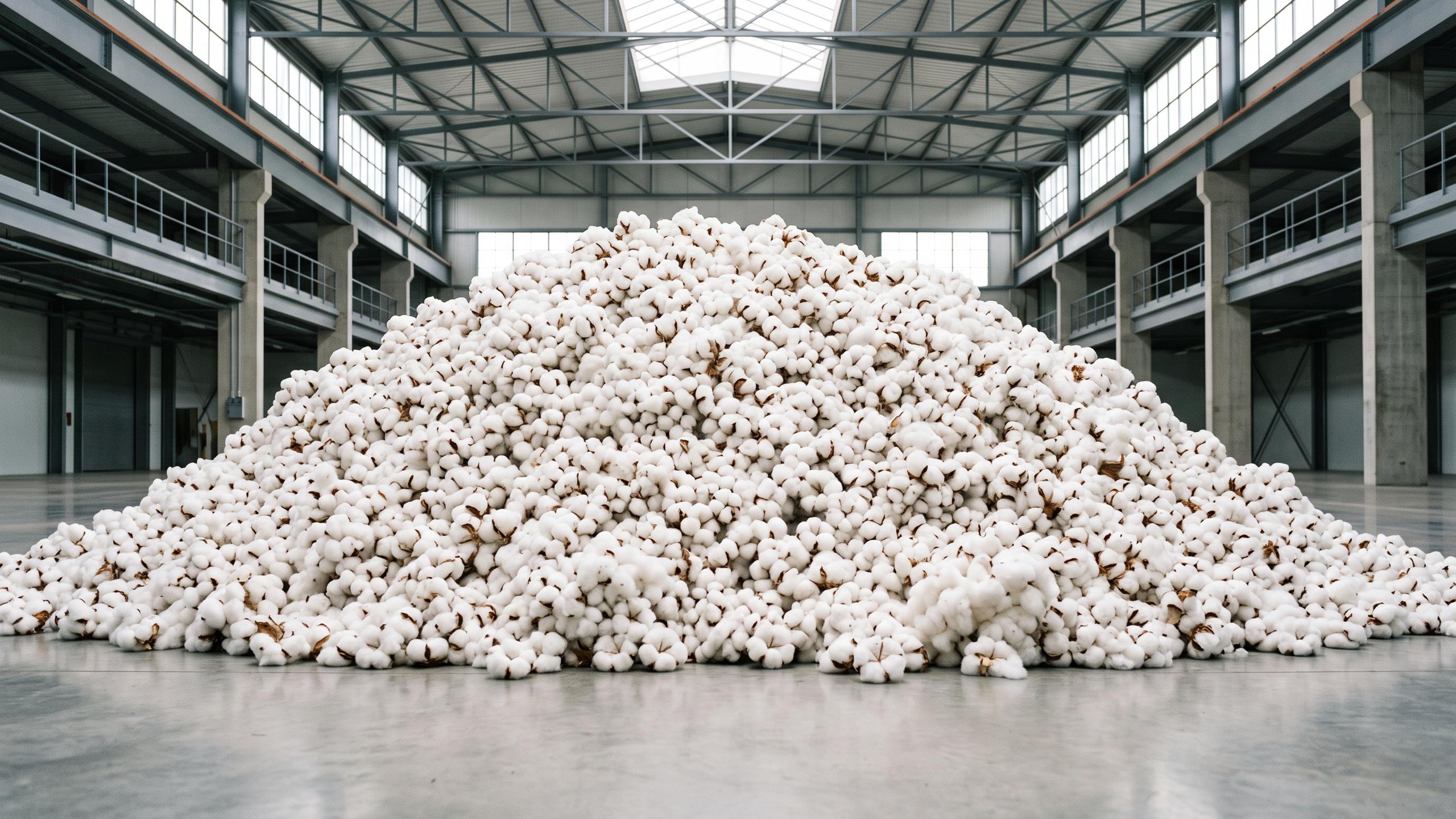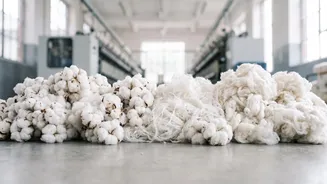









Have you noticed the price tags on clothes creeping up lately? You're not just imagining it. While many factors can make your wardrobe pricier, a key reason lies in a complex issue that starts on the farm: government decisions on cotton imports.
The Heart of the Matter: Import Duties
At the
centre of this issue is the 11% import duty on cotton. Earlier this year, the Indian government temporarily removed this duty from June 1 to October 31, 2026, to help the domestic textile industry. The goal was to give spinning mills access to cheaper raw materials from abroad, especially since India's own cotton production was expected to be lower than demand. However, this duty-free window is set to close, and there is intense debate about whether it should be extended. As of late October 2026, the government is reportedly considering an extension through December, but no final order has been issued. This uncertainty has a direct impact on cotton prices, which have already surged in recent weeks.
A Difficult Balancing Act
For policymakers, this is a classic case of balancing competing interests. On one hand, the domestic textile industry, a massive employer and a cornerstone of the economy, argues that the import duty makes Indian textiles less competitive globally. When raw cotton is expensive, the cost of yarn and fabric rises, eventually making finished garments pricier for both domestic consumers and export markets. On the other hand, cotton farmers worry that extending the duty-free import period could depress domestic prices just as their new crops are being harvested. With domestic cotton production already hit by poor weather and projected to fall short of demand, farmers are hoping for strong prices to compensate for lower yields.
Pressure on the Textile Industry
The textile industry is feeling the squeeze from multiple directions. Domestic raw cotton prices have climbed significantly, with some reports noting a nearly 60% increase in cotton yarn prices since the beginning of 2026. This surge in input costs is difficult for manufacturers to absorb. Many mills, particularly in hubs like Tamil Nadu, have been forced to reduce production by up to 50% because the cost of making fabric is rising faster than the price they can sell it for. This creates a challenging environment where mills struggle with profitability, which can lead to operational cutbacks and impact the livelihoods of lakhs of workers.
How It Reaches Your Closet
The journey from a cotton field to your wardrobe is a long one, and costs accumulate at every step. When spinning mills pay more for raw cotton, they pass that cost on to weavers who make fabric. The fabric makers then charge garment factories more. By the time a finished t-shirt or pair of jeans reaches a retail store, these increased costs are built into the final price tag. While retailers are often hesitant to pass the entire cost increase to consumers due to intense competition, some price hikes become unavoidable. This is especially true in the 'value fashion' segment, where thin margins mean that even small increases in raw material costs can make a noticeable difference on the price tag.
What to Expect Next
The immediate future of clothing prices depends heavily on the government's next move. If the import duty exemption is extended, it could provide temporary relief to textile mills and potentially stabilise prices. If the 11% duty is reimposed on November 1, domestic cotton prices could climb further, putting more pressure on the entire textile value chain and likely leading to higher retail prices for consumers. Beyond import duties, other factors like rising energy expenses, global shipping disruptions, and international trade policies will also continue to influence the cost of apparel. For now, consumers should be aware that the price of cotton, a basic commodity, is a major driver of what they pay at the cash counter.