

The Rise of a 'Healthier' Sweetener
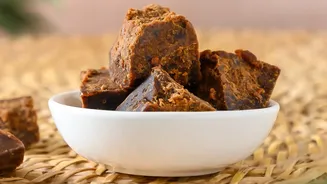
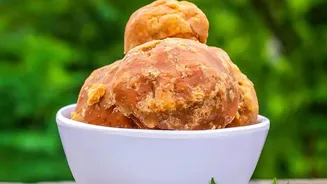
The movement towards mindful eating has put every ingredient under scrutiny, and sugar is often the first to go. But for those with a sweet tooth, the challenge is finding an alternative that doesn't compromise on taste. Enter palm jaggery, an unrefined
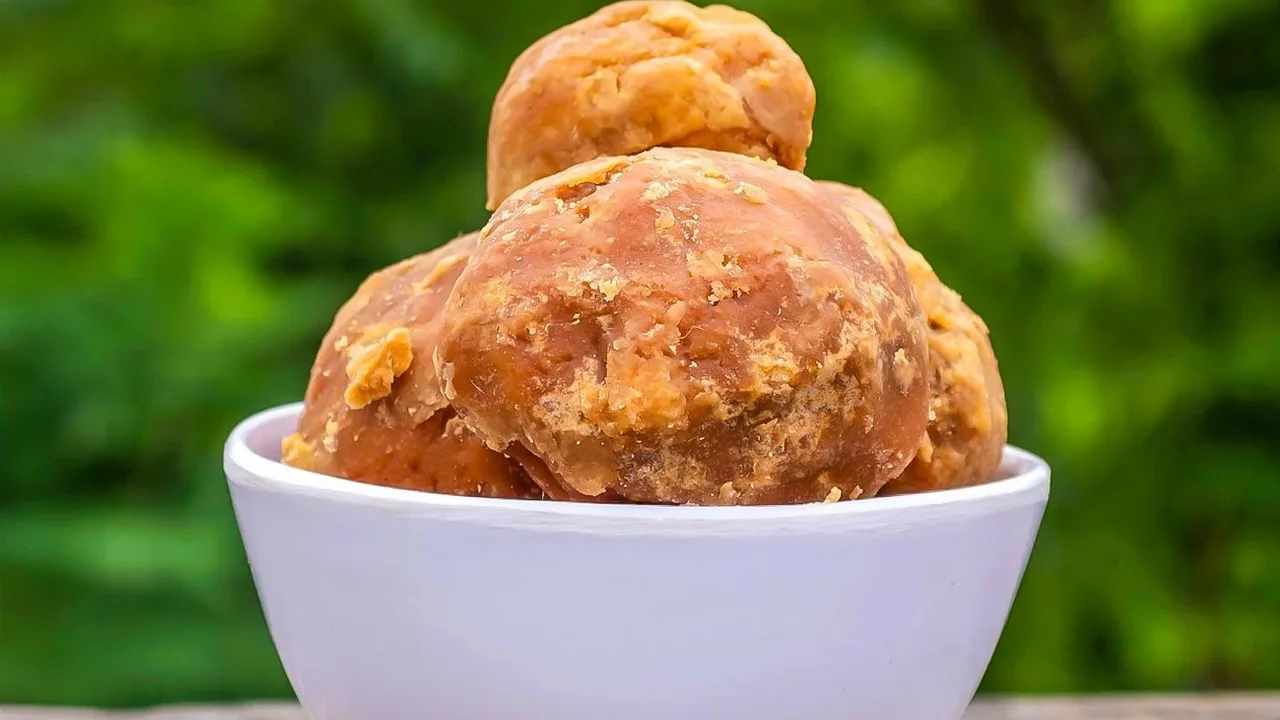
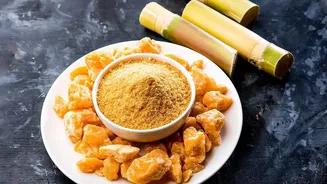
sweetener made from the sap of palm trees like palmyra, date, and coconut. Unlike white sugar, which is stripped of nutrients during processing, palm jaggery retains a host of minerals and vitamins. This has made it a popular choice for home bakers looking to add a touch of wholesome goodness to their creations, from rustic whole wheat biscuits to decadent cakes.
More Than Just Sweetness: A Flavour Powerhouse
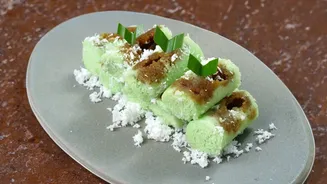
One of the main reasons for palm jaggery's growing popularity is its complex flavour. It boasts a deep, earthy sweetness with distinct notes of caramel, molasses, and even a hint of smoke. This rich profile adds a new dimension to baked goods that white sugar simply cannot match. Imagine a cake with a natural caramel-like taste or cookies with a deeper, more satisfying flavour. This unique taste, rooted in centuries of use in traditional Indian sweets like 'payasam' and 'halwa', is now finding its way into modern baking, creating innovative treats that are both nostalgic and new.
A Balanced Look at the Health Claims
Palm jaggery is often touted for its health benefits. It is a source of essential minerals like iron, potassium, and magnesium, which are completely absent in refined sugar. Some studies suggest its iron content can help protect against anaemia, while its lower glycemic index (around 35 compared to white sugar's 60-65) means it releases energy more slowly, preventing sharp spikes in blood sugar. However, it's crucial to remember that jaggery is still a form of sugar. It contains roughly the same number of calories as white sugar and should be consumed in moderation. While it's a more nutritious option, it's not a free pass to overindulge.
Tips for Baking with Palm Jaggery
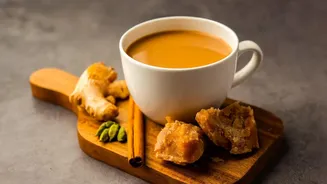
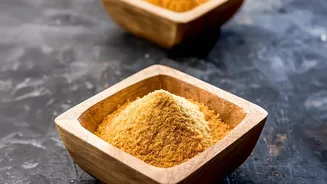
Ready to make the swap? Baking with palm jaggery is straightforward but requires a few adjustments. It can often be substituted in a 1:1 ratio for white or brown sugar, though some bakers find it slightly less sweet and adjust accordingly. Since palm jaggery often comes in solid blocks, it usually needs to be grated or melted into a syrup first. To make a syrup, gently heat equal parts jaggery and water until it dissolves, then strain it to remove any impurities before cooling. This syrup can then be incorporated into your wet ingredients. Because of its moisture content, you might need to slightly reduce other liquids in your recipe. Jaggery pairs wonderfully with whole wheat flour ('atta') and spices like cardamom, cinnamon, and ginger, enhancing the rustic, wholesome feel of your baked goods.
Innovation in Every Bite
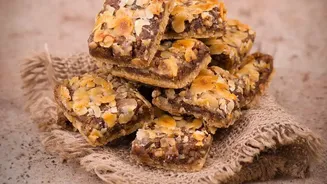
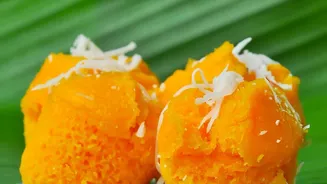
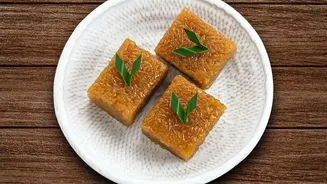
Home bakers are getting creative, using palm jaggery in everything from banana bread and power-up pancakes to chocolate chip cookies and traditional 'malpua'. Its ability to impart a rich, dark colour and a moist, tender crumb makes it especially well-suited for cakes. As brands make high-quality, organic palm jaggery more accessible online, this trend is only set to grow. The shift isn't just about replacing an ingredient; it's about embracing a sweetener that offers flavour, nutrients, and a connection to culinary traditions.