





Understand the Official Warnings
Before making any decision, it's crucial to understand the severity of the forecast. Look beyond your phone's default weather app. The India Meteorological Department (IMD) uses a colour-coded system to signal the intensity of expected weather. A 'Yellow'
alert advises you to be aware, as conditions could worsen. An 'Orange' alert means you should be prepared for disruptions like traffic jams and waterlogging. A 'Red' alert is the most serious, warning of extremely severe weather with a high risk of flooding and landslides, and advises against non-essential travel. As of August 19, 2026, the IMD has forecast widespread rainfall across north and central India, with heavy spells expected in Himachal Pradesh and Uttarakhand through August 24. Knowing the specific alert for your destination is the first step in making an informed choice.
Assess Your Destination's Risk Profile
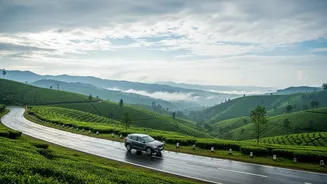
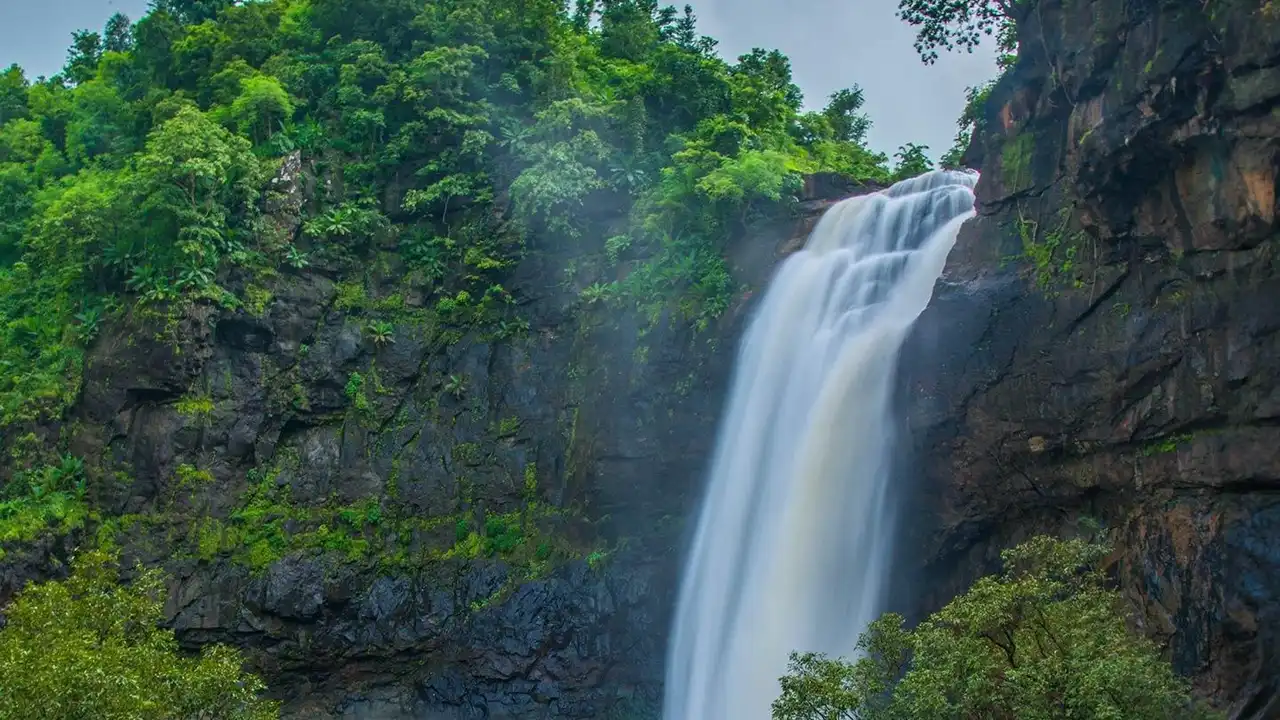
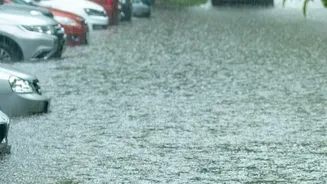
Not all destinations are affected equally by heavy rain. A downpour in a well-drained city is different from one in a fragile mountain region. Hill stations, particularly in the Himalayas and Western Ghats, face a higher risk of landslides and flash floods. Popular getaways like Lonavala, Khandala, Mussoorie, and parts of Himachal Pradesh and Uttarakhand require extra caution during intense monsoon spells, as roads can become blocked by debris or wash away entirely. Coastal areas and low-lying regions might experience severe waterlogging, which can bring traffic to a standstill for hours. Before you leave, research the specific risks associated with your chosen locale during the monsoon. Local news and travel forums can provide real-time insights that a general forecast might miss.
Analyse Your Mode of Transport
Your journey is just as important as your destination. Road trips, while offering flexibility, are most vulnerable to weather disruptions. Heavy rain reduces visibility, makes roads slippery, and can hide dangerous potholes or submerged debris. Driving through flooded streets is extremely risky, as even a small amount of flowing water can cause a vehicle to lose control. Night driving in hilly areas should be avoided. Train and flight schedules can also be affected, with delays and cancellations common during severe weather events. Always check with your airline or railway operator before heading to the station or airport, and have a backup plan in case of last-minute changes.
When to Postpone and When to Proceed
So, how do you make the final call? If the IMD has issued a Red alert or even a persistent Orange alert for your destination, postponing is the safest bet. This is especially true for trips involving trekking, remote locations, or travel through landslide-prone zones. Consider the flexibility of your bookings; many hotels and travel providers offer a rescheduling option, sometimes covered by travel insurance, during severe weather events. However, if the forecast is for moderate rain ('Yellow' alert) and your destination has good infrastructure, you might decide to proceed with caution. The key is to be prepared. Pack waterproof clothing, footwear with a good grip, a first-aid kit, and power banks. A holiday spent indoors watching the rain, sipping hot tea in a cosy resort, can be a relaxing experience in itself.