








The Coastal Staple You Probably Don’t Know
For anyone who grew up along India's western coast, kokum (Garcinia indica) is a familiar taste of home. This small, deep-purple fruit is a cornerstone of Konkani and Malvani cuisine. When fresh, it has a sweet-tart flavour; but it's the dried rind that
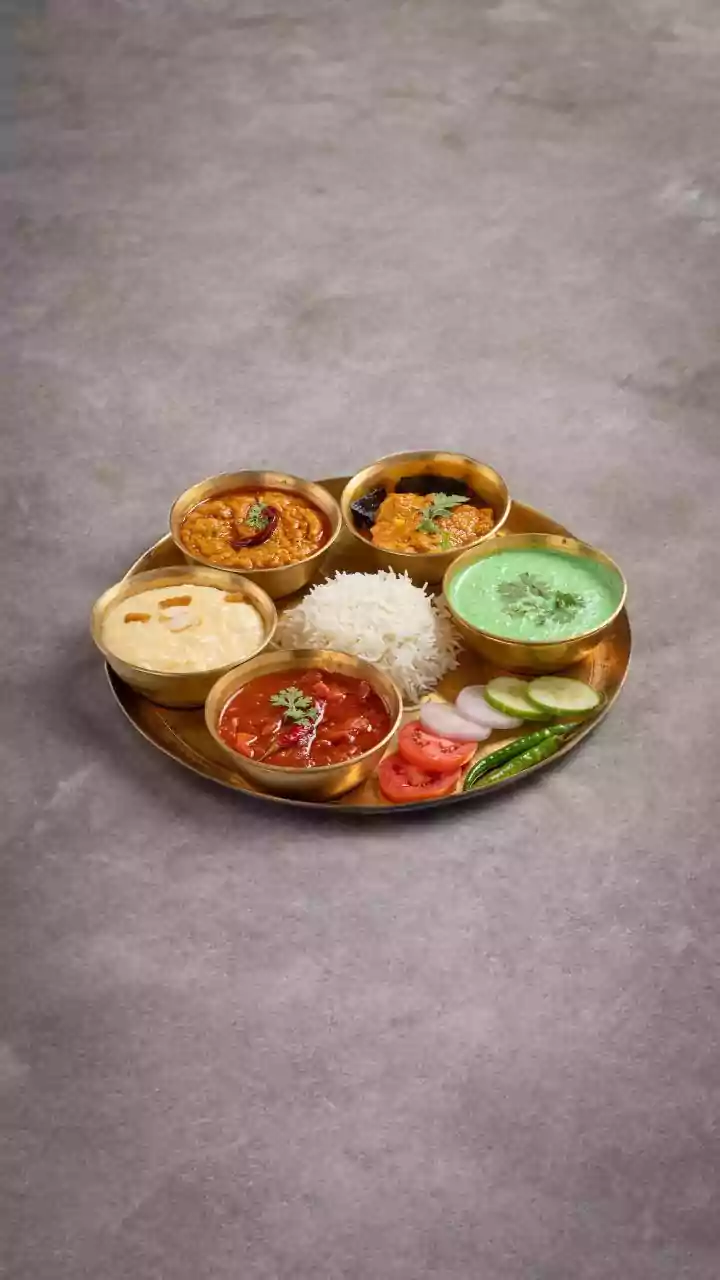
is a true kitchen powerhouse. Traditionally, it’s used as a souring agent in fish curries, lending a distinct tang and a beautiful pinkish hue. It's also the star of solkadhi, a soothing pink-hued beverage made with coconut milk, cherished for its digestive properties and ability to cool the body. While tamarind and lime dominate the sour profiles in other parts of India, in the coastal belts of Maharashtra, Goa, and Karnataka, kokum has reigned supreme for centuries.
Not Just for Curries Anymore
In recent years, Indian chefs and mixologists have started looking inward, championing hyper-local ingredients and reinterpreting them for a modern audience. Kokum is at the forefront of this movement. No longer confined to traditional recipes, its vibrant flavour is appearing in everything from craft cocktails and artisanal gins to specialty coffee tonics and gourmet salad dressings. Its rise is driven by a desire for authentic, regional flavours and its functional benefits as a natural digestive aid. Trendy cafes and bars are ditching imported mixers for house-made kokum shrubs and syrups, celebrating an ingredient that is both sustainable and deeply rooted in Indian culinary heritage.
Why Its Acidity Is a Secret Weapon
The secret to kokum's modern revival lies in the specific nature of its acidity. Unlike tamarind, which can be heavy and sweet, or vinegar, which can be sharp and overpowering, kokum offers a uniquely clean, bright, and fruity sourness. It provides tartness without dramatically altering the primary flavours of a dish. This quality makes it an incredibly versatile tool for a chef. It contains hydroxycitric acid (HCA), citric acid, and malic acid, which contribute to its signature taste. This clean acidity is precisely what makes it a problem-solver in the kitchen, capable of balancing richness and adding complexity without introducing competing flavour notes.
The Perfect Foil for a Rich Ramen Broth
This brings us to the ramen. A traditional Japanese tonkotsu or a rich miso ramen is a masterpiece of umami, but it can also be incredibly heavy due to the high fat content from pork or chicken. Chefs are constantly looking for ways to balance this richness. While a slice of lemon or a dash of vinegar could be used, they bring their own distinct flavours. Enter kokum. Progressive chefs have discovered that infusing a rich, fatty ramen broth with dried kokum provides the perfect counterpoint. Its clean acidity slices through the unctuousness of the broth, brightening the entire bowl and adding a subtle, complex layer without making it taste like a 'fusion' dish. It's not an Indian ingredient being forced into a Japanese context; it's a a specific flavour profile being used to solve a universal culinary challenge.
A Global Pantry, Not a Gimmick
The journey of kokum from a regional souring agent to a secret ingredient in a Japanese noodle soup tells a bigger story about modern food. It’s about the globalization of the pantry, where chefs are less concerned with rigid culinary borders and more focused on the technical properties of an ingredient. Using kokum in ramen isn't a gimmick; it's a testament to understanding an ingredient on a chemical and sensory level. It represents a shift towards celebrating ingredients for what they can do, regardless of their origin. This thoughtful application showcases the usefulness of India’s diverse agricultural heritage on a global stage, proving that a humble coastal fruit can hold its own in the world’s most innovative kitchens.