

The City Dweller's Cosmic Challenge
The biggest hurdle for any urban astronomer is light pollution. The bright, diffuse glow from streetlights, buildings, and advertisements creates a veil across the night sky, washing out all but the brightest celestial objects. This phenomenon, known
as 'sky glow', is why you can count the visible stars on one hand in a major metropolis, while a rural sky reveals thousands. It makes finding faint constellations or distant planets feel like an impossible task. But while you can't just switch off the city lights, you can use technology to peer right through the haze and reclaim your view of the cosmos.
Your Pocket Planetarium
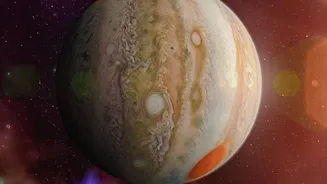
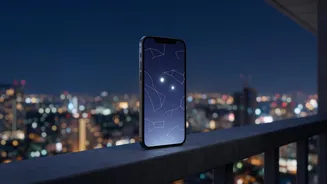
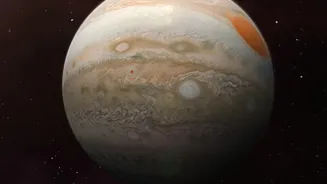
This is where stargazing apps transform your smartphone into a powerful celestial guide. Using your phone’s built-in GPS and compass, these apps create a real-time map of the sky directly above you. When you point your phone towards a bright dot in the sky, the app’s augmented reality (AR) overlay will instantly identify it. What you thought was just another star could be Jupiter, or the ringed planet Saturn itself. These apps cut through the guesswork, telling you exactly where to look and what you are looking at, making them indispensable tools for city-based stargazers.
For the Beginner: Star Walk 2
Star Walk 2 is often recommended as the perfect entry point for aspiring astronomers. Its user-friendly interface and beautiful AR overlays make identifying celestial bodies simple and engaging. Point your phone at the sky, and the app will trace constellations, label stars, and highlight planets in real-time. The free version is quite generous, offering a vast database of stars, planets, and even satellites. Its 'Time Machine' feature lets you see how the sky will look later in the night or on a future date, which is perfect for planning your stargazing sessions.
For Effortless Pointing: SkyView Lite
If you want an app that is incredibly simple to use, SkyView Lite is an excellent choice. Its core function is to identify objects by simply pointing your device at them. There's no complex setup; you just open the app and start exploring. SkyView is particularly good for casual viewing and for getting quick answers when you spot a bright object and wonder, “What is that?” It tracks the paths of planets and the International Space Station (ISS), showing you exactly where they will be at any given time. This makes it easy to spot satellites zipping across the urban sky.
For a Deeper Dive: Stellarium Mobile
For those who want a more detailed and realistic depiction of the night sky, Stellarium is a fantastic option. It functions as a full-fledged planetarium in your pocket, known for its accuracy and comprehensive star catalogue. While it might seem more complex at first, it offers a rich experience, showing realistic views of the sky and providing deep information about celestial objects, including their mythology. Its powerful zoom lets you explore deep-sky objects that might be just beyond naked-eye visibility, preparing you for what you could see with a pair of binoculars.
Finding Saturn Tonight
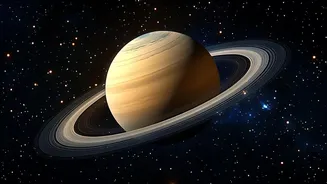
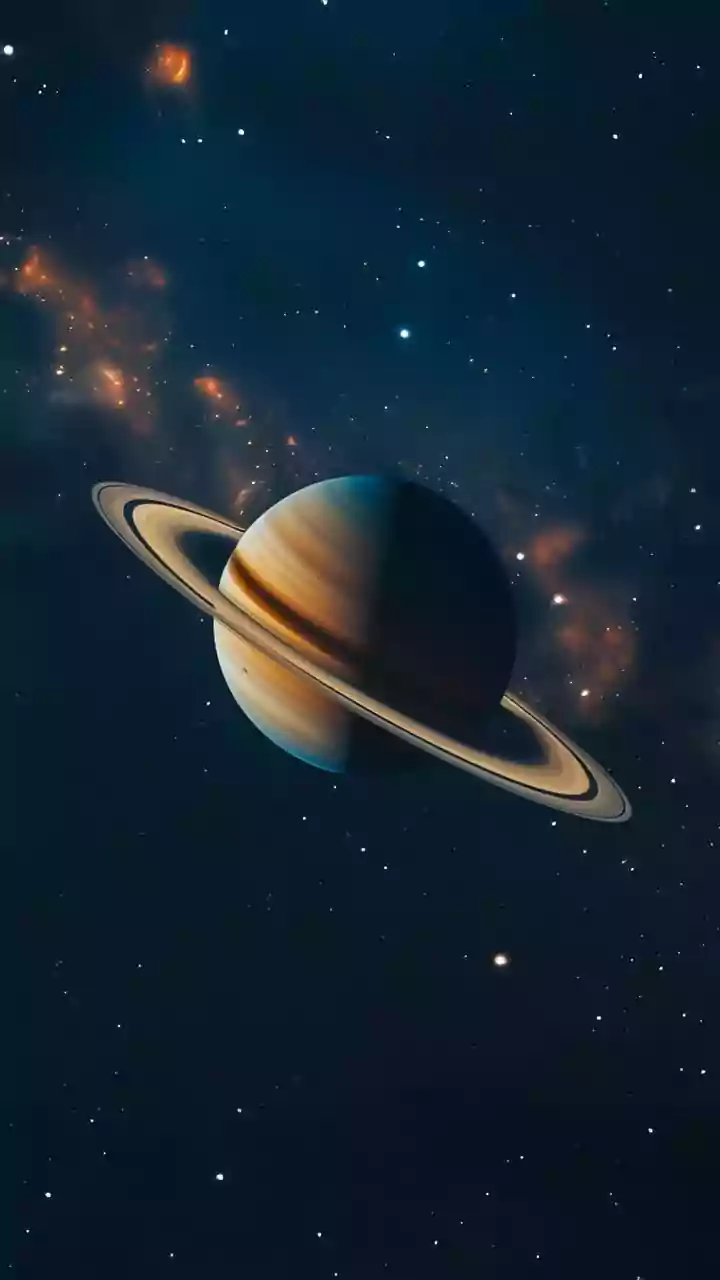
So, how do you spot Saturn? The good news is that Saturn, along with Jupiter, is bright enough to be visible even from light-polluted areas. In September 2026, Saturn rises in the evening and is well-placed for viewing. Open your chosen app and use its search function to locate Saturn. An arrow or guide will direct you to point your phone—and your gaze—to the correct part of the sky. You won't see its famous rings with the naked eye, but you will be able to confidently identify the steady, yellowish point of light as the magnificent gas giant. The app does the hard work of navigation, so you can focus on the thrill of the discovery.
Tips for Urban Stargazing
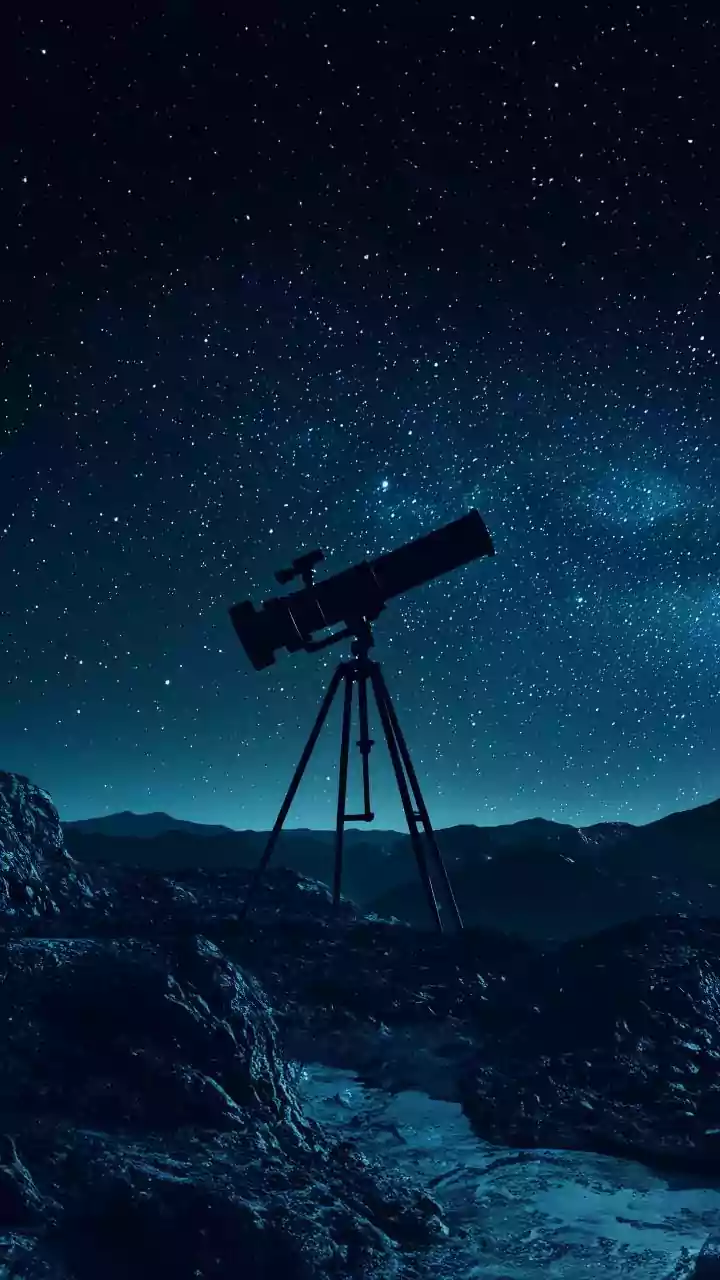
To make the most of your session, a little preparation goes a long way. First, find the darkest spot you can access—a park, a rooftop, or even a balcony shielded from direct streetlights is a good start. Give your eyes about 15-20 minutes to adapt to the darkness; this will help you spot fainter objects. Try to observe when your target is high in the sky, as looking through less of Earth's atmosphere improves clarity. Finally, be patient. The wonders of the universe have been there for billions of years; they can wait a few minutes for you to find them.