



What Exactly Is El Niño?
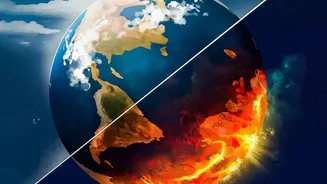
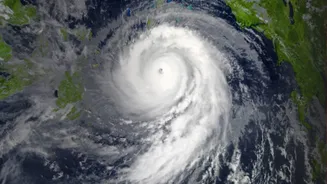
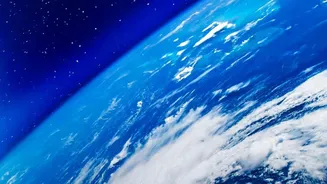
El Niño is a naturally occurring climate phenomenon where the surface waters of the central and eastern tropical Pacific Ocean become unusually warm. This change, which happens every two to seven years, might seem remote, but it disrupts global atmospheric
circulation. Think of it like a massive engine in the ocean revving too high, altering wind and rainfall patterns worldwide. For India, this often means a weaker, delayed, or more erratic summer monsoon, which is the lifeline for the country's agriculture and water supply. This powerful 2026 event is unfolding against a backdrop of already rising global temperatures, making its potential impacts even more severe.
A Risk Multiplier for Public Health
The World Health Organization (WHO) does not consider El Niño a direct cause of disease. Instead, it acts as a 'risk multiplier'. The altered weather conditions—less rain, more heat—create an environment where existing health threats can spiral out of control. In response to the 2026 forecast, the WHO has activated its highest level of emergency response, a Grade 3, underscoring the severity of the anticipated health crises. The agency has flagged India as one of the countries facing 'high or very high' public health risks, prompting a call for urgent, climate-informed health preparedness.
The Threat of Vector-Borne Diseases
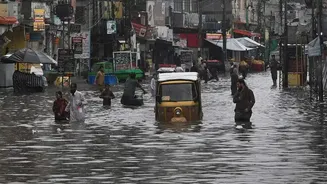
One of the most immediate concerns for India is a surge in vector-borne diseases. Changes in temperature, humidity, and rainfall create ideal breeding grounds for mosquitoes. Warmer temperatures accelerate mosquito breeding cycles, meaning more of them can transmit diseases like dengue, malaria, and chikungunya faster. Irregular rainfall can lead to both droughts—forcing households to store water in containers that can become breeding sites—and floods, which leave behind stagnant pools. Studies have already linked El Niño years to a greater risk of dengue outbreaks in states like Kerala, highlighting a clear and present danger.
Extreme Heat and Water Scarcity
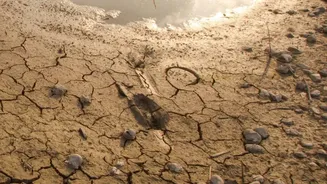
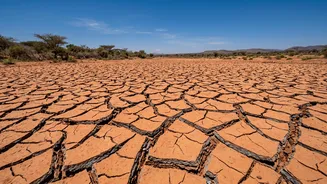
El Niño years are consistently hotter than average, and 2026 is expected to amplify this trend, bringing prolonged and intense heatwaves. This poses a direct threat of heat exhaustion, dehydration, and life-threatening heatstroke, especially for outdoor workers, the elderly, and children. These extreme temperatures also worsen existing conditions like cardiovascular, respiratory, and kidney diseases. Furthermore, a weaker monsoon leads to drought and water scarcity. This not only impacts hygiene but can also force communities to rely on contaminated water sources, increasing the risk of water-borne illnesses like cholera, typhoid, and other diarrhoeal diseases.
Impact on Food Security and Nutrition
The disruption of the monsoon has a cascading effect on agriculture. Deficient rainfall can lead to widespread crop failure, impacting food production and driving up prices. This can lead to food insecurity and malnutrition, particularly among vulnerable populations. Malnourished individuals, in turn, are more susceptible to infections, creating a vicious cycle of poor health. The UN's Food and Agriculture Organization (FAO) has warned that the 2026 El Niño could severely compound food insecurity in regions already facing shortages, making nutritional support a key pillar of health planning.
Air Quality and Respiratory Health
The health risks are not limited to diseases and heat. Drier conditions associated with El Niño increase the likelihood of dust storms and wildfires. The resulting smoke and particulate matter can severely degrade air quality, triggering and aggravating respiratory conditions like asthma and chronic obstructive pulmonary disease (COPD). This adds another layer of stress on public health systems, which must contend with a multi-pronged crisis affecting nearly every aspect of community well-being.