
The New Festive Platter
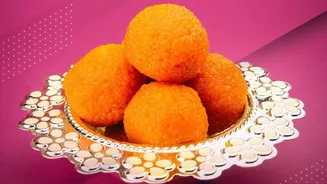
The traditional festive spread in India is a tapestry of regional heritage, a collection of recipes passed down through generations. But today, that tapestry is being woven with new, global threads. Imagine a Diwali celebration featuring not just laddoos,
but also Gulab Jamun Cheesecake in a jar. Picture an Eid feast where the biryani is subtly enhanced with unconventional herbs, or Christmas lunch where a traditional roast is served with a side of masala scalloped potatoes. This isn't about replacing the classics but reimagining them. Chefs and home cooks alike are creating dishes like Paneer Tikka Tacos, Masala Mac and Cheese, and even Ras Malai Tiramisu. These creations show a playful yet respectful approach, honouring the soul of a dish while giving it a contemporary, international twist that speaks to an increasingly globalised palate.
What's Driving This Delicious Disruption?
Several factors are stirring this pot of culinary innovation. Social media is a primary driver, with platforms like Instagram turning every meal into a visual event. The desire for aesthetically pleasing, shareable food has encouraged experimentation. Food bloggers and influencers popularise fusion recipes, making them accessible to a wide audience eager to try something new. Furthermore, a growing number of Indians have travelled the world, developing a taste for global cuisines. They return with a desire to incorporate these flavours into their own traditions. The rise of cloud kitchens and home chefs has also democratised food innovation. Passionate cooks are no longer bound by the constraints of a traditional restaurant, allowing them to experiment and cater to niche tastes, delivering everything from butter chicken pizza to chaat-inspired nachos directly to customers.
Tradition Honoured, Not Replaced
This trend is not a rejection of tradition but an evolution of it. Leading chefs like Manish Mehrotra and Ranveer Brar have built their reputations on creatively reinterpreting classic Indian dishes while keeping their essence intact. The goal isn't to confuse but to enhance. For instance, using Italian San Marzano tomatoes in a butter chicken recipe elevates the classic curry with a different kind of sweetness and tang, creating a new experience without losing the dish's comforting identity. This movement is about finding a balance, as one chef notes, between honouring the past and embracing the future on the same plate. It's a recognition that culture, including food culture, is not static. It absorbs new influences and adapts, which is a sign of a living, breathing tradition.
From the Metropolis to Your Hometown
While this culinary fusion began in the fine-dining restaurants of major metropolitan areas, its influence is spreading. Thanks to the internet and food delivery apps, these exciting new dishes are no longer confined to big cities. Home cooks in smaller towns are watching YouTube tutorials and trying their hand at thandai-flavoured overnight oats or creating their own versions of naan pizza. This decentralisation ensures the trend is not just a top-down phenomenon. Instead, it’s becoming a nationwide conversation, with each region adding its own local spin. A fusion dish in Kerala might incorporate coconut milk, while one in Bengal could feature the pungent notes of mustard, ensuring that even as Indian food goes global, it doesn't lose its beloved regional diversity.