







Beyond the Calorie Count
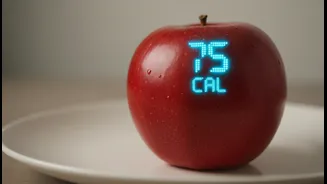
The fundamental problem with a calorie-centric view is that it treats all energy sources as equal, ignoring the vast difference in nutritional quality. A calorie is a unit of energy, but it tells you nothing about the vitamins, minerals, fibre, or protein
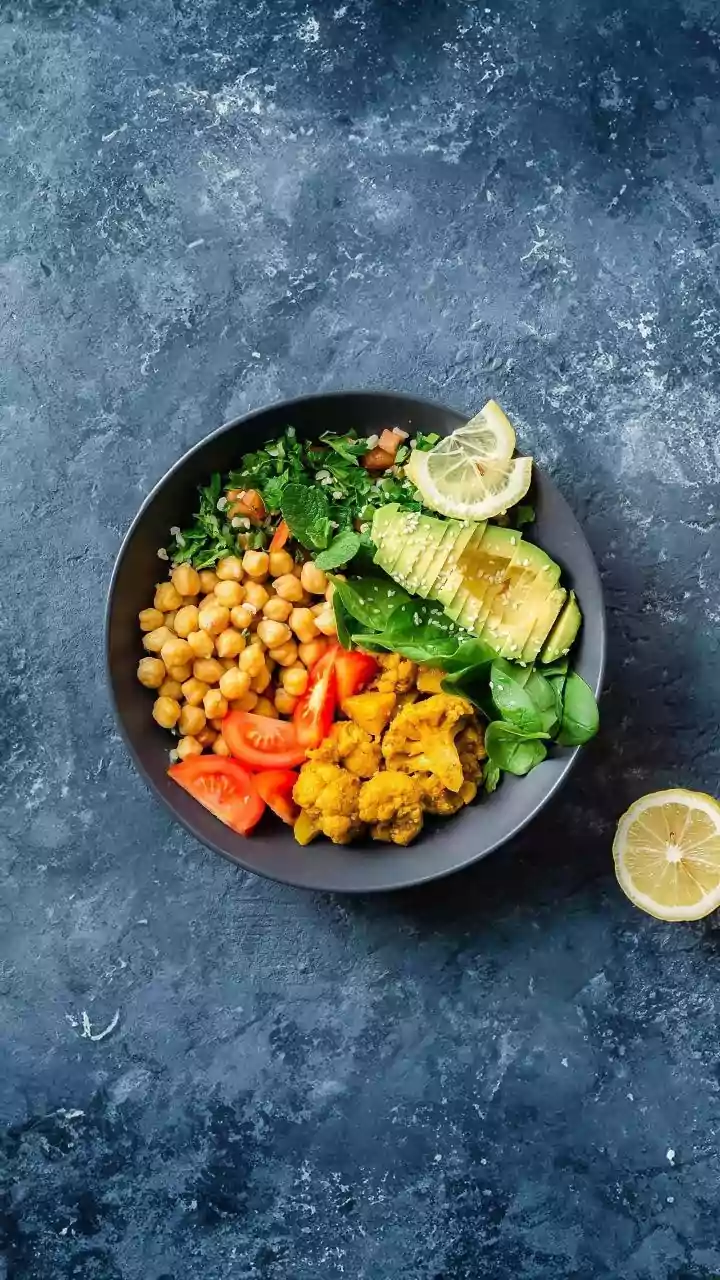
a food contains. Three hundred calories from a serving of dal, vegetables, and brown rice provide sustained energy, protein for muscle repair, and essential micronutrients. Three hundred calories from a sugary beverage or a processed snack deliver a quick energy spike followed by a crash, often contributing to inflammation and cravings. Focusing solely on numbers can lead people to choose low-calorie, nutrient-poor processed foods over whole foods like nuts or avocados, simply because the latter are higher in calories. True nutritional understanding, a core part of food literacy, is about quality, not just quantity. It’s about fuelling the body with what it needs to thrive, not just hitting a numerical target.
The Access and Affordability Hurdle
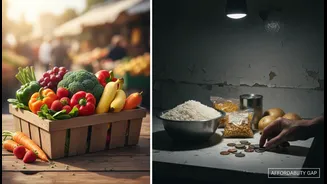
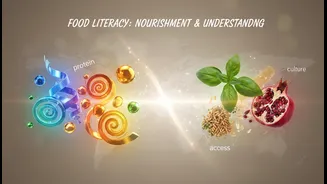
Food literacy is a hollow concept if people cannot access or afford nutritious food. This is a critical factor often overlooked in purely educational initiatives. In a city like Bengaluru, while overall food availability might be stable, access to diverse and healthy diets can vary dramatically. Many households, particularly in informal settlements, rely on the Public Distribution System (PDS) and local kirana stores. Research has shown that gaps in PDS coverage can leave vulnerable families without essential rations. Furthermore, economic pressures, rising food prices, and declining real wages can push families towards cheaper, calorie-dense but nutrient-poor options. True food literacy, therefore, must also involve advocating for and understanding systems that ensure equitable access to healthy food for all, from reliable PDS to supporting the small vendors and markets that form the backbone of the city's food system.
Food Is Culture, Not a Calculation
Reducing food to a number strips it of its most vital context, especially in India. Food is deeply woven into the fabric of our culture, religion, family life, and social celebrations. From festival feasts to the simple act of sharing a meal, food carries immense social and emotional significance. Turning eating into an anxious numbers game can create a negative relationship with food, fostering guilt and disconnecting people from their traditions and natural hunger cues. A holistic approach to food, as seen in traditional systems like Ayurveda, considers diet, lifestyle, and seasonality as interconnected components of well-being. Promoting food literacy effectively in India means respecting and integrating these cultural values. It means appreciating the nutritional wisdom in a traditional thali, not just calculating its caloric load. Ignoring this cultural dimension is not just a missed opportunity; it's a fundamental misunderstanding of what food means to people.
A More Complete Recipe for Food Literacy
A calorie-focused exhibition offers a starting point, but we must build on it with a more complete vision. True food literacy empowers people with a collection of knowledge and skills. It includes understanding nutrition, but also practical skills like planning, selecting, and preparing meals. It fosters confidence in the kitchen and an appreciation for where food comes from. Crucially, it must be grounded in reality—the reality of what is affordable, accessible, and culturally meaningful. Rather than just counting, we should be teaching how to build a balanced plate, how to cook with seasonal and local ingredients, how to read food labels critically, and how to enjoy meals mindfully with others. Initiatives like Bengaluru's exhibition should evolve to tell this richer, more complex story—one that measures the value of food not just in energy, but in health, community, and cultural joy.