




More Than Just Smoke and Noise
For years, the conversation around the environmental impact of fireworks has focused on two obvious consequences: air and noise pollution. The thick haze that blankets cities after major celebrations like Diwali is a well-documented health hazard, filled
with fine particulate matter (PM2.5) that can penetrate deep into our lungs and bloodstream. The thunderous explosions cause distress to animals and vulnerable people. But new research is uncovering a more insidious, longer-lasting problem that begins once the debris from these spectacular displays settles back to Earth and interacts with our water systems.
From the Sky to the Water
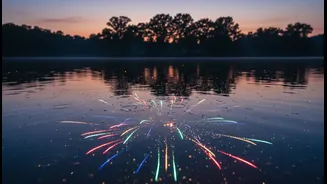
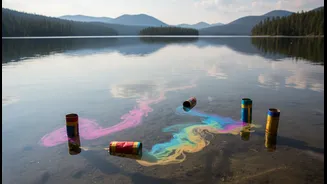
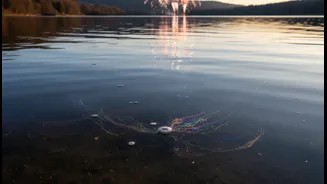
The journey of contamination is straightforward but often overlooked. The chemical compounds and heavy metals that create the vibrant colours and loud bangs don't just vanish. They are released into the atmosphere as tiny particles. Gravity and rainfall then bring these particles down, depositing them directly into lakes and rivers or onto land where they can be washed into waterways by the next storm. Furthermore, the physical debris from spent firecrackers—charred casings, plugs, and fuses—often contains unburnt fuel and chemical residues. When this litter collects near water bodies, which is common for large public displays, it leaches pollutants directly into the water.
A Chemical Cocktail in Our Waterways
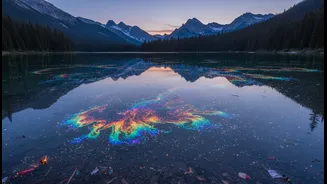
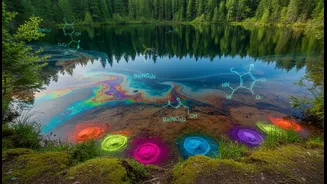
So, what exactly is getting into the water? The primary culprits are perchlorates and a range of heavy metals. Perchlorate is a chemical compound used as an oxidizer to help propel the firework. Studies have shown that perchlorate levels in lakes can spike dramatically following fireworks events. One study by the USGS at Mount Rushmore directly linked past fireworks displays to elevated perchlorate concentrations in the surrounding soil and water. The other major contaminants are the heavy metals used to produce brilliant colours: strontium for reds, copper for blues, barium for greens, and so on. A recent lab study found that firecracker residue released significant amounts of metal ions like potassium and manganese, along with other organic compounds, directly into lake and river water.
The Risks to Ecosystems and Health
This chemical influx isn't benign. Perchlorate is known to interfere with thyroid gland function in humans and animals, which is crucial for regulating metabolism and development. Heavy metals are toxic to aquatic life, even at low concentrations. They can harm fish, disrupt the microbial life at the base of the aquatic food web, and accumulate in organisms. This process, known as bioaccumulation, means the toxins can move up the food chain, eventually posing a risk to the birds, animals, and even humans who might consume that fish. While a single firework might seem insignificant, the cumulative effect of thousands or millions being set off during festivals can create a significant pollution event for local water bodies.
Rethinking Our Celebrations
In a country like India, where fireworks are an integral part of celebrations from Diwali to weddings, these findings are particularly relevant. Our urban lakes and rivers, already under immense environmental pressure, face this additional, seasonal onslaught of chemical contamination. The research suggests that the impact isn't just a momentary spike in pollution but a chemical alteration of the water itself. Some studies note that the residue not only releases new compounds but also absorbs existing organic matter from the water, fundamentally changing its chemistry. While the science continues to evolve, with some studies showing other human activities like sunscreen use can also be a major factor, the evidence against fireworks is mounting. The good news is that simple actions, like the thorough cleanup and proper disposal of all firework debris immediately after a display, can help mitigate some of this impact by preventing the residues from being washed into our precious water resources.