


A World Washed Anew
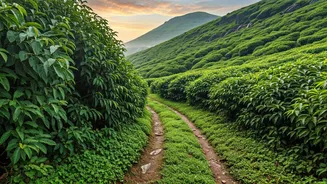
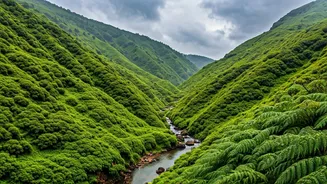
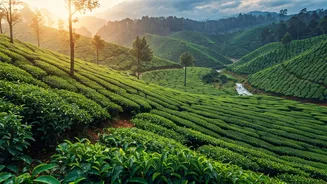
The first rains of the monsoon perform a miracle on the Western Ghats. The landscape, which stretches across states like Karnataka, Kerala, Maharashtra, and Tamil Nadu, sheds its summer browns and erupts into countless shades of green. The air fills with
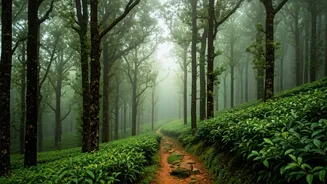
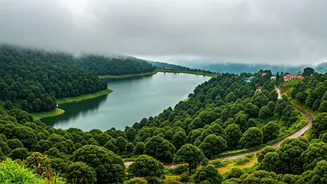
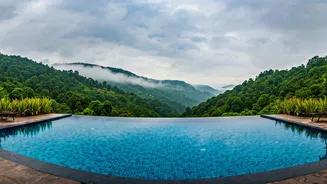
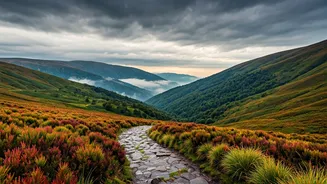
the rich scent of wet earth, a fragrance known as petrichor, which is both calming and invigorating. Driving along the winding ghat roads, you'll see mist clinging to the valleys and rolling over the hills, creating a surreal, ever-changing vista that feels a world away from bustling city life. This seasonal makeover is the primary reason the Ghats become an entirely new destination from June to September.
The Symphony of Waterfalls
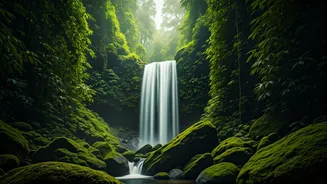
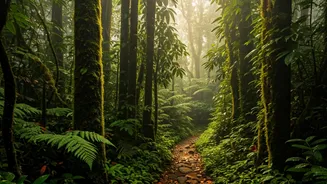
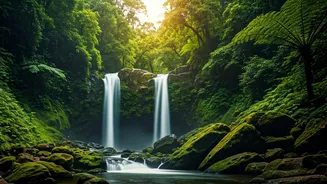
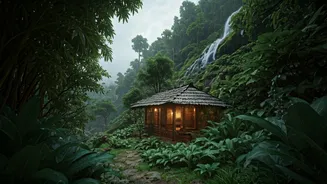
The monsoon is when the Western Ghats truly come alive with the sound of water. Dormant streams become lively brooks, and cliffs that were bare just weeks before now host spectacular, gushing waterfalls. In places like Chikmagalur, Karnataka, you can find gems like Hebbe Falls and Jhari Falls, often nestled within lush coffee plantations. Further afield, the famous Dudhsagar Falls on the Goa-Karnataka border becomes a thundering spectacle. Countless smaller, unnamed cascades also appear along roadsides, offering impromptu spots to marvel at nature's power and beauty. For those who love the sight and sound of cascading water, there is no better time to visit.
A Biodiversity Hotspot Comes Alive
Recognised as a UNESCO World Heritage site, the Western Ghats are one of the world's eight "hottest biodiversity hotspots". The monsoon season is when this incredible biodiversity is most active and visible. The rainforests teem with life, from vibrant insects and butterflies to a stunning array of birds. It's a particularly special time for amphibians; unique species like the Malabar Gliding Frog emerge, and night walks in places like Agumbe or Wayanad offer a chance to hear a chorus of frog calls. This is a paradise for nature enthusiasts, offering a close-up look at an ecosystem at its peak.
Adventure in the Mist
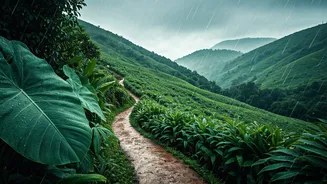
For the adventurous soul, the monsoon adds a layer of mystique and challenge to trekking. Trails in destinations like Kudremukh, Chikmagalur, and the Sahyadris in Maharashtra become softer, greener, and shrouded in fog. While trekking in the rain requires more caution, the reward is immense: passing through roaring streams, discovering blooming wildflowers, and breathing in exceptionally fresh air. Besides trekking, the season is perfect for river rafting on rain-fed rivers like the Bhadra in Chikmagalur or simply enjoying long, scenic drives through the misty landscapes.
Fewer Crowds, More Serenity
One of the biggest advantages of visiting the Western Ghats during the monsoon is the relative lack of crowds. While mainstream hill stations can be packed, many parts of the Ghats remain peaceful and untouched. This solitude allows for a more authentic and immersive experience. You can enjoy the stunning viewpoints, serene lakes like Hirekolale in Chikmagalur, and winding roads without the usual tourist rush. It’s the perfect setting for those looking to disconnect, read a book, or simply enjoy the tranquility of nature in its most vibrant form. This sense of peace is the true essence of the Western Ghats as a hidden gem.