




A Feast for the Eyes
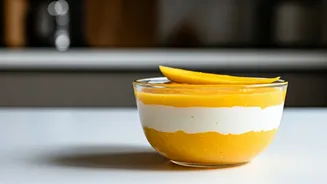
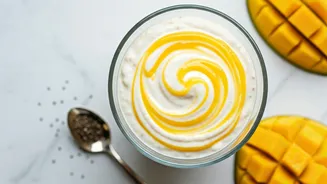
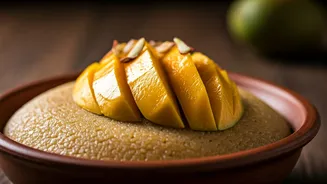
The trend first gained momentum on platforms like Instagram, where visual appeal is king. Food bloggers and home cooks began showcasing this stunning dessert, a study in contrasts. The brilliant saffron-orange hue of the mango slices arranged artfully
over the more muted, earthy tones of suji or moong dal halwa creates an irresistible image. It’s a dish that begs to be photographed before it’s devoured. This visual appeal is a significant driver of its popularity, transforming a humble, home-style dessert into something that looks like it belongs in a high-end restaurant.
Celebrating the King of Fruits
At the heart of this combination is the Alphonso mango, or ‘Hapus,’ as it’s lovingly called. For a few short months each year, this mango variety from the Konkan coast reigns supreme. Its flavour is unlike any other: a perfect balance of rich sweetness and a slight tangy kick, with a creamy, non-fibrous flesh and an intoxicating aroma. The Alphonso isn't just a fruit; it's an event, a seasonal marker that Indians eagerly await. Its inclusion in any dish instantly elevates it, lending it a sense of luxury and seasonal celebration. Layering it fresh, rather than cooking it down into a puree, preserves its bright, uncooked flavour and delicate texture, allowing the fruit to be the star.
The Unwavering Comfort of Halwa
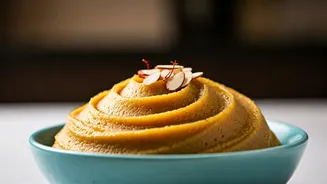
On the other side of this pairing is halwa, one of India’s most beloved and versatile comfort foods. Whether it’s the simple suji (semolina) halwa made for a quick breakfast or a puja, the rich and nutty moong dal halwa reserved for special occasions, or the wholesome atte (wheat flour) ka halwa made on a cold day, it represents warmth and nostalgia. Cooked slowly with ghee, sugar, and often nuts, halwa has a rich, grainy, and melt-in-your-mouth texture. It’s the culinary equivalent of a warm hug—familiar, satisfying, and deeply comforting. Its inherent richness makes it the perfect canvas for a contrasting flavour.
A Perfect Culinary Marriage
So why does this combination work so beautifully? It’s a masterclass in culinary balance. The warm, heavy, and ghee-rich halwa provides a comforting base. Then, the fresh, cool, and slightly acidic Alphonso mango slices through that richness, cleansing the palate and adding a burst of fruity brightness. It's a delightful play on temperatures—warm versus cool. It’s a contrast in textures—the soft, grainy halwa against the smooth, juicy mango. The sweetness of the halwa is complemented, not overpowered, by the complex, honeyed notes of the fresh fruit. Every spoonful offers a bit of comforting tradition and a bit of vibrant, seasonal bliss.
More Than Just a Trend
While its popularity has been amplified by social media, pairing fruits with rich desserts is a classic concept. Think of apple crumble with vanilla ice cream or strawberries with cream. This Indian iteration feels both innovative and deeply intuitive. It’s a modern take that respects the integrity of two classic components. Instead of being a fleeting gimmick, this pairing is being embraced because it makes perfect sense from a flavour perspective. It’s a logical and delicious evolution, a way to celebrate the best of the season with a timeless classic. It’s a simple idea, executed beautifully, that captures the essence of modern Indian dessert-making: rooted in tradition but open to fresh, joyful combinations.