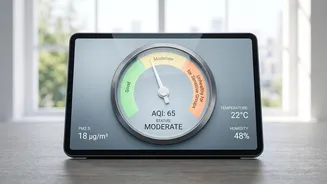







The Invisible Invader: PM2.5
The primary culprits are microscopic airborne particles known as PM2.5. These are fine particulate matter with a diameter of less than 2.5 micrometres, which is about 30 times smaller than a single strand of human hair. Unlike larger dust particles that
get trapped in our nose and throat, PM2.5 particles are so minuscule they can bypass the body's natural defences and travel deep into the lungs. These particles originate from various sources that are abundant in urban landscapes, including vehicle exhaust, industrial emissions, construction dust, and the burning of waste and fossil fuels.
From the Lungs to the Brain
Once in the lungs, these pollutants don't just stay there. Their tiny size allows them to pass into the bloodstream, where they can circulate throughout the body like a Trojan horse. From the bloodstream, these particles can breach one of the body’s most protected fortresses: the blood-brain barrier. This barrier is a highly selective membrane that shields the brain from toxins and pathogens. However, studies show that fine pollutants can cross this barrier, gaining direct access to the central nervous system. Another pathway involves particles travelling along the olfactory nerve from the nose directly to the brain.
Igniting Inflammation and Stress
Once inside the brain, these foreign particles are recognised as a threat, triggering a defensive immune response. This leads to a state of chronic, low-grade inflammation known as neuroinflammation. The brain's immune cells, called microglia, become activated and release inflammatory molecules in an attempt to clear the pollutants. This process also causes oxidative stress, an imbalance that leads to cellular damage. Over time, this constant inflammation and stress can damage neurons, disrupt communication between brain cells, and impair brain function.
What Is Brain Fatigue?
This neurological assault manifests as what many people call 'brain fatigue' or 'brain fog'. It's more than just feeling tired; it is a noticeable decline in cognitive performance. Symptoms often include difficulty concentrating, slower thinking, memory lapses, reduced attention span, and a general feeling of mental exhaustion. Research has directly linked PM2.5 exposure to reduced cognitive function, with some studies showing measurable effects on attention and focus just hours after exposure. This isn't just a long-term risk; it's a daily reality for those breathing polluted air. Doctors in high-pollution cities report seeing a rise in patients complaining of these exact symptoms.
The Long-Term Neurological Cost
While daily brain fatigue is debilitating, the long-term consequences are even more alarming. Chronic neuroinflammation and oxidative stress caused by air pollution are believed to accelerate brain ageing. A growing body of research links long-term exposure to high levels of air pollutants with an increased risk of severe neurological conditions, including stroke, dementia, Alzheimer's disease, and Parkinson's disease. This transforms air pollution from a simple environmental issue into a profound public health crisis that threatens the cognitive future of millions living in India's metros.
Can You Protect Your Brain?
While individual efforts cannot solve the systemic problem of air pollution, certain measures can help reduce personal exposure. Using high-quality air purifiers at home and in the office can significantly reduce indoor PM2.5 levels. When venturing outside on high-pollution days, wearing a well-fitted N95 or FFP2 mask can help filter out fine particles. Staying updated on the daily Air Quality Index (AQI) allows you to plan activities and limit exposure during peak pollution hours. Some experts also suggest that a diet rich in antioxidants, like those found in colourful fruits and vegetables, may help the body combat some of the oxidative stress caused by pollutants.