

Why 'Wet Feet' Are a Plant Emergency
When soil is saturated with water, the air pockets that roots need to breathe disappear. This oxygen deprivation can quickly lead to a condition called root rot, where roots begin to decay. As the roots deteriorate, they can no longer absorb water and
nutrients, which paradoxically causes the plant to wilt and show signs of distress, even though it's sitting in wet soil. This condition is often caused by a combination of watering too frequently, poor drainage from a pot without holes, or heavy, compacted soil that retains too much moisture. If left unaddressed, the rot can spread throughout the entire root system and eventually kill the plant.
How to Spot the Telltale Signs
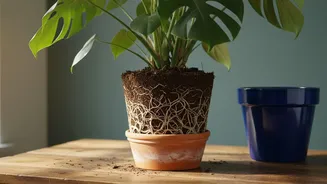
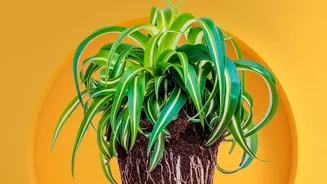
A plant with waterlogged soil will send out several distress signals. One of the most common is yellowing leaves, especially lower ones. You might also see wilting or drooping foliage that feels soft and mushy, not dry and crisp. Other clues include stunted growth, leaf drop, or even blisters on the leaves, a condition called edema. Pay attention to the soil itself. If water is pooling on the surface, or if the soil has a sour, unpleasant smell, it's a strong indication that the roots are in trouble. Fungus gnats hovering around the soil are another early warning sign, as they thrive in moist conditions. If you're unsure, the best way to confirm is to gently slide the plant out of its pot and inspect the roots. Healthy roots are typically firm and white or light tan, while rotting roots will be brown or black, soft, and mushy.
Your Step-by-Step Rescue Guide
If you've confirmed root rot, acting quickly is key. First, gently remove the plant from its container and shake off as much of the old, soggy soil as possible. Next, using clean, sharp scissors or pruning shears, carefully trim away all the dark, mushy, and smelly roots. Be thorough and cut back to healthy, white tissue. Some experts even recommend rinsing the remaining healthy roots under lukewarm water to wash away lingering fungal spores. After trimming, you can let the roots air-dry for a few hours or up to a day to help the cuts callous over. Finally, repot the plant in a clean pot with excellent drainage holes, using a fresh, high-quality, well-draining potting mix. Adding perlite or orchid bark can improve aeration and prevent future waterlogging.
Aftercare for a Recovering Plant
A newly repotted plant is in a state of shock, so it needs gentle care to recover. It's crucial to resist the urge to water it immediately. The fresh potting mix has some moisture, and watering right away can stress the newly cut roots. It's best to wait several days before providing a light watering. Place the plant in a spot with bright, indirect light, as direct sun can be too intense during its recovery. Also, hold off on fertilizing for at least four to six weeks, as the fresh soil contains nutrients and fertilizer can burn the sensitive, healing roots. Be patient; it can take a few weeks for the plant to overcome the stress and show signs of new, healthy growth.