







More Than Just Sportswear
For years, technical fabrics were confined to the world of athletics and intense outdoor adventures. Materials like polyester and nylon were synonymous with trekking gear and performance sportswear, praised for function but rarely for fashion. That’s
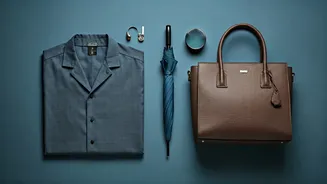
changed. Now, these intelligent textiles are making a seamless transition from the trail to the city street. Brands are increasingly incorporating performance fabrics into everyday wear, from office-appropriate shirts to stylish trousers and dresses. The rise of 'athleisure' has paved the way for a new mindset where consumers expect their clothes to do more—to be comfortable, durable, and adaptable to modern life, including unpredictable weather.
The Science of Staying Dry
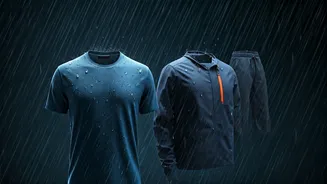
So, how do these fabrics work their magic? Unlike natural fibres like cotton, which act like a sponge and absorb moisture, quick-dry fabrics are typically made from hydrophobic synthetic fibres like polyester and nylon. These materials are engineered to repel water rather than soak it in. The process relies on "capillary action," where the fabric's structure pulls moisture away from your skin and pushes it to the outer surface. Once there, the moisture spreads out over a larger area, allowing it to evaporate much faster, often in under two hours compared to the 8-12 hours cotton might take. This moisture-wicking ability is what keeps you feeling dry and comfortable instead of sticky and weighed down.
Why It's a 'Flex'
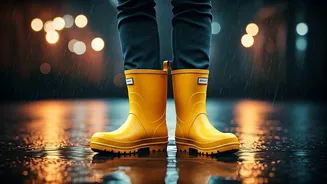
In 2026, the ultimate flex isn't just about sporting an expensive logo; it's about smart, effortless preparedness. Showing up to a meeting or a social gathering looking completely put-together after navigating a torrential downpour is a power move. Quick-dry clothing allows you to do just that. It says you’re practical without sacrificing style. You’re embracing technology not just in your gadgets, but in your wardrobe. In a climate where humidity and sudden showers are a given, staying dry and comfortable is a form of everyday luxury. It’s about being unfazed by the elements, and that quiet confidence is the new status symbol. The clothes don't just look good; they perform, making your life easier and more comfortable.
What to Look For on the Label
Navigating the world of technical fabrics is easier than it sounds. When shopping, check the material composition on the label. Look for polyester, nylon, or blends that include these synthetics. Sometimes you'll find them blended with spandex or elastane for added stretch and comfort. Many brands will explicitly use terms like "moisture-wicking," "quick-dry," or "performance fabric." Some outerwear may also mention a DWR (Durable Water Repellent) finish, which causes water to bead up and roll off the surface. While natural fibres have their place, pure cotton is the enemy of a comfortable monsoon wardrobe because it absorbs and holds onto water for hours.
Styling the Un-Soakable Wardrobe
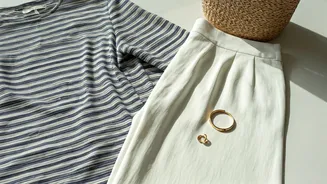
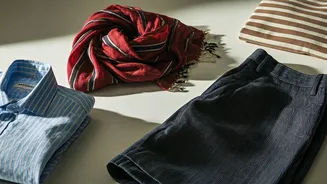
The best part about the new wave of quick-dry clothing is its versatility. You don't have to look like you're about to scale a mountain. Many Indian and international brands now offer stylish options. Think sleek polyester-blend trousers that mimic the look of formal wear, or lightweight rayon kurtas that drape beautifully and dry in a flash. A quick-dry polo T-shirt can be paired with chinos for a smart-casual look perfect for the office or a weekend brunch. For women, pairing a modal or rayon top with cropped trousers is a chic and practical choice, keeping hems clear of puddles. The key is to find pieces with cuts that don't scream 'activewear,' allowing them to blend seamlessly into your existing wardrobe.