



The Price of Tradition
Flower markets in Kerala and neighbouring states are buzzing with activity, but shoppers are feeling the pinch. Prices for essential pookalam flowers have surged, casting a shadow on festive budgets. In markets across Kozhikode and Ernakulam, vendors
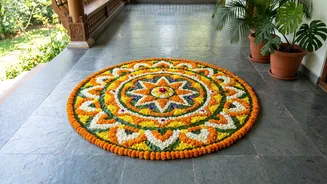
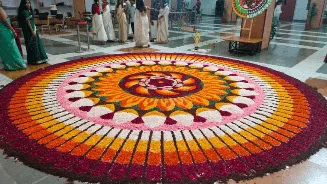
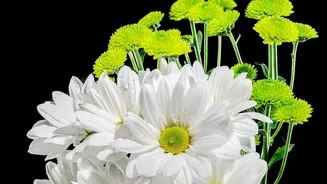
report significant hikes. Staples like yellow marigolds, previously more affordable, have seen prices climb from around ₹100 to as high as ₹160 per kilogram. White chrysanthemums are among the costliest, fetching up to ₹400 per kilo, while the prized oleander (arali) has reportedly touched a staggering ₹600 per kilogram in some areas. Even globe amaranth (vaadamalli) is selling for around ₹160-₹280 per kilogram. This sharp increase means that creating a large, multi-layered pookalam, which can require flowers worth thousands of rupees for office or community celebrations, is becoming a costly affair.
Behind the Soaring Costs
The primary cause for the price surge is a classic case of demand outstripping supply. A significant portion of Kerala's flower supply for Onam comes from cultivation hubs in Tamil Nadu, Karnataka, and Andhra Pradesh. This year, these regions have been hit by adverse weather, including poor rainfall and water scarcity, which has severely affected the flower harvest. This has pinched supply lines just as demand peaks for the festival. Furthermore, factors like increased fuel costs for transportation and labour shortages add to the final price paid by consumers. Vendors who rely on supplies from areas like Gundlupet in Karnataka, a traditional source, have noted drastically reduced yields, forcing them to source from other regions like Chikkaballapur. This disruption in the supply chain, combined with the intense demand of the Onam and wedding seasons, has created a perfect storm for high prices.
Creativity in Constraint
In the face of these high costs, Malayalis are not abandoning the beloved tradition of pookalam but are adapting with creativity and resourcefulness. The trend is shifting towards smaller, simpler, yet equally heartfelt designs. Many are opting for classic circular patterns with fewer rings or focusing on two or three types of flowers instead of a dozen. This approach not only saves money but also encourages a more thoughtful use of materials. Families are rediscovering the beauty in minimalism, using locally available flowers, and incorporating more green leaves for texture and contrast. The focus is moving from grandeur to grace. For those short on time or seeking convenience, readymade pookalam kits are also available, with prices ranging from ₹500 to ₹1,500 depending on the size and complexity. This shift highlights a practical response to economic pressures without sacrificing the festive spirit.
A Return to Roots
This move towards simplicity may be an unexpected blessing. The tradition of the pookalam is, at its core, a communal and family activity. Historically, the pookalam starts small on the first day, Atham, with a single ring of flowers, and grows larger each day of the festival. The high prices are encouraging a return to this gradual, more organic process. It's an opportunity for children to go out and collect local flowers, for families to gather each morning to add a new layer, and for communities to focus on the shared act of creation rather than the scale of the final product. Local initiatives are also stepping in. Self-help groups like Kudumbashree have been promoting local flower cultivation to reduce dependence on other states and cushion consumers from price shocks, bringing the tradition closer to home in more ways than one.