




Check Your Ride, Then Check It Again
Before you even think about playlists and snacks, your vehicle needs a thorough inspection. The rain is unforgiving on a poorly maintained car. Check your tyres first – the tread depth must be adequate to prevent aquaplaning on wet roads. Ensure your wipers
are in perfect working condition; you don't want to discover they're shot during a downpour. Top up all essential fluids, especially windshield washer fluid. Finally, test your brakes, headlights, and fog lamps. In low visibility conditions, being seen is as important as seeing. A quick visit to a trusted mechanic before you leave is a small investment for significant peace of mind.
Know Your Route and Its Risks
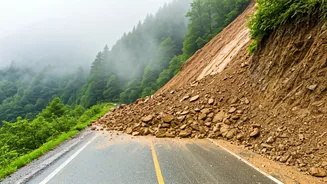
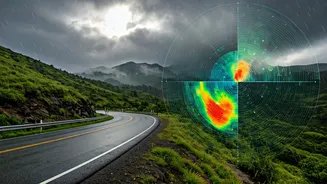
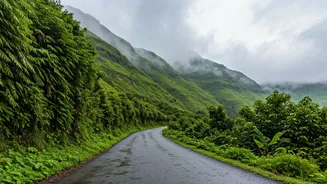
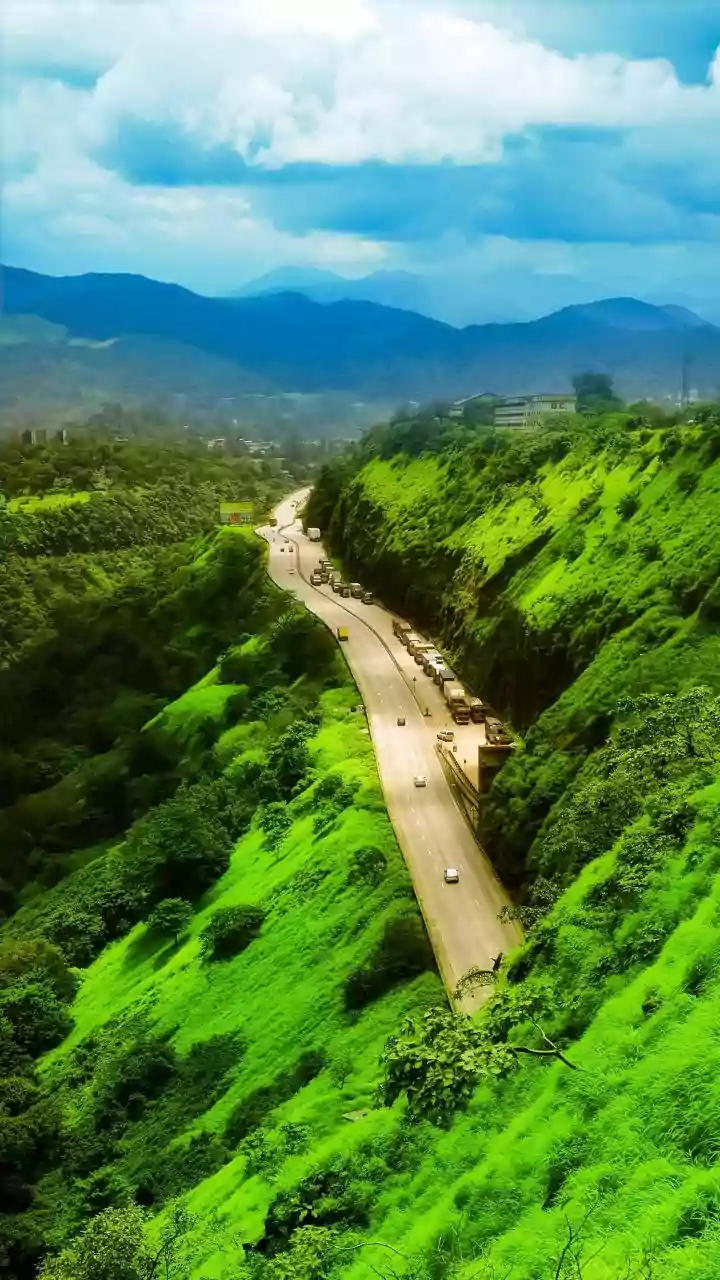
That scenic mountain pass you saw on Instagram might be a treacherous landslide zone in the monsoon. Popular travel routes, especially in hilly regions like the Himalayas or the Western Ghats, are prone to blockades. Before you set off, use real-time traffic apps and check local news for reports on road conditions. It’s also wise to check the websites of the local district administration or state disaster management authority. Have a Plan B and even a Plan C. Don't be heroically attached to your original itinerary; if authorities advise against travelling a certain road, listen to them. Flexibility is a key safety tool.
Pack a Monsoon Emergency Kit
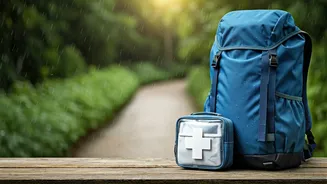
Your standard first-aid kit needs a monsoon upgrade. In addition to bandages and antiseptics, pack water-purifying tablets or a portable filter, as water sources can get contaminated. Include insect repellent, especially for mosquito-borne illnesses which are more common in the rainy season. An umbrella and waterproof jackets are obvious, but also pack a few large, sturdy plastic bags to keep electronics, documents, and spare clothes dry. A powerful torch with extra batteries, a power bank for your phone, and some non-perishable, high-energy snacks are non-negotiable. You might face unexpected delays, and being prepared makes a huge difference.
Adjust Your Driving Style
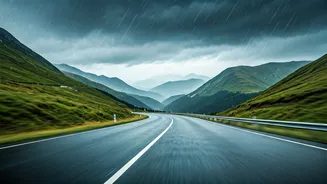
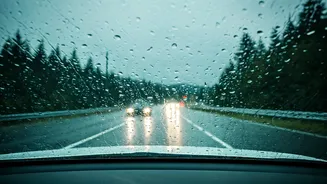
Driving in the rain is a different ball game. Your number one rule should be to slow down. Your car needs more distance to stop on wet surfaces, so maintain a larger gap between you and the vehicle ahead. Avoid sudden braking or sharp turns, which can cause your vehicle to skid. Be extremely wary of waterlogged streets. It's often impossible to tell how deep a puddle is, and driving through deep water can stall your engine or cause severe damage. If you can’t see the road surface, it’s safer to turn back or wait it out.
The Dangers You Cannot See
Beyond the road, the monsoon brings other risks. Water-borne diseases like cholera and typhoid, and vector-borne diseases like dengue and malaria, see a spike during this season. Drink only bottled, boiled, or purified water. Avoid eating raw food or pre-cut fruits from street vendors, as contamination risks are high. When you're out exploring, especially near forests or stagnant water, wear full-sleeved clothing and use a reliable insect repellent to guard against bites. Your health is the most critical component of a successful trip.