






The Monsoon's Grip on the East
Eastern and Northeastern India bear the full force of the Southwest Monsoon. The geography of the region, a mix of vast riverine plains in states like West Bengal and Bihar, and the fragile, hilly terrain of the Northeast, makes it uniquely vulnerable.
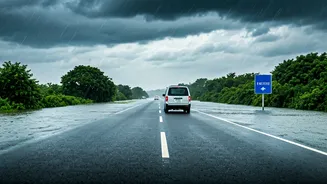
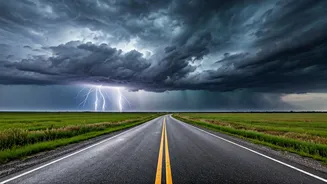
Heavy downpours, often exceeding 200 mm in a day, saturate the ground, swell mighty rivers like the Brahmaputra, and create conditions ripe for disruption. Recent weather alerts from the India Meteorological Department (IMD) have consistently placed red and orange alerts over Sub-Himalayan West Bengal, Sikkim, Assam, and Arunachal Pradesh, warning of extremely heavy rainfall. This isn't just a weather forecast; it's a reliable predictor of travel chaos, as the natural landscape struggles to cope with the deluge.
When Tracks and Roads Give Way
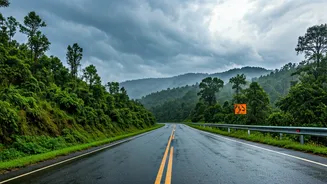
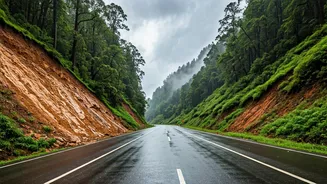
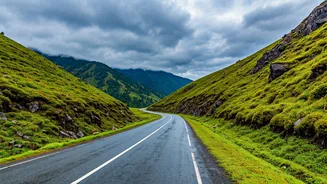
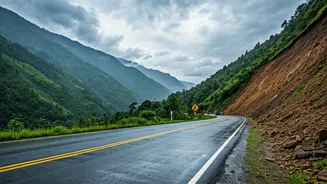
The most tangible impact of this intense rainfall is on the transport infrastructure. For Indian Railways, tracks laid across low-lying plains can become completely submerged, short-circuiting signals and making travel impossible. A more severe threat is the erosion of riverbanks, which can destabilize the foundations of decades-old railway bridges. In late June, heavy rain in Assam's Dhemaji district led to severe bank erosion that compromised a railway bridge, forcing the suspension of services and the cancellation of multiple trains. In the hilly areas of Arunachal Pradesh, Sikkim, and Darjeeling, the risk shifts to landslides. Incessant rains can trigger massive slides of mud and rock, blocking key national highways for days and cutting off entire districts. In late June, landslides on NH-13 and NH-713A in Arunachal Pradesh severed connectivity to several western districts, with authorities unable to predict a timeline for restoration due to the weather.
The Domino Effect of a Single Disruption
A single landslide or a flooded track doesn't just delay one train or a few cars; it creates a cascade of failures across the network. When a mainline is blocked, trains are cancelled, short-terminated, or rerouted, affecting schedules hundreds of kilometres away. The Northeast Frontier Railway recently had to arrange buses to ferry stranded passengers between stations after a line was cut, but this is a temporary fix that cannot replace the capacity of a train. Passengers with onward connections, important appointments, or family functions find their plans thrown into disarray. This ripple effect means that even if your specific destination isn't flooded, your journey can be severely impacted by an issue far up the line. This is the core reason why simply hoping for the best is a flawed strategy during monsoon travel in the east.
What is a 'Buffer Day' in Practice?
A buffer day is an empty day in your schedule that you intentionally plan after your estimated arrival. It’s a 24-hour cushion to absorb any unforeseen delays. It doesn't mean booking a later train; it means assuming your journey might take a day longer than advertised. If your train is scheduled to arrive on a Tuesday for a wedding on Wednesday, you have no buffer. A buffer day would mean scheduling your arrival for Monday. This way, if your 24-hour journey turns into a 36-hour ordeal due to track flooding or diversions, you still arrive on Tuesday with time to spare. This simple planning tool transforms a potential travel disaster into a manageable inconvenience, reducing stress and ensuring you don't miss the critical event you were travelling for in the first place.
Smart Steps for Monsoon Travel
Beyond adding a buffer day, there are practical steps to mitigate risks. Firstly, monitor official sources like the IMD and the National Train Enquiry System (NTES) for weather warnings and train status updates before you even leave home. Authorities consistently advise people to avoid unnecessary travel during heavy rainfall warnings. If travel is unavoidable, pack a small emergency kit: extra water, non-perishable food, a power bank, and any essential medications. Inform your family or hosts at your destination of your travel plans and the potential for delays. Where possible, choose trunk routes or major train lines that may be prioritized for repair. Most importantly, travel with a flexible mindset. Acknowledging that delays are a real possibility is the first step toward a safer and less stressful journey through the beautiful, yet challenging, eastern routes during the monsoon.