
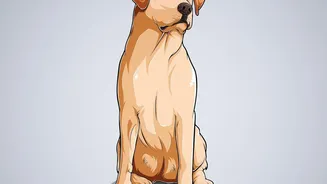
Go Beyond Basic Tags and Chips
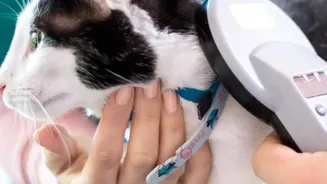
A standard ID tag with a name and phone number is fundamental, but it's not foolproof. Collars can break or be removed. A microchip is an excellent permanent identifier, but it requires a scanner at a veterinary clinic or animal shelter to be read. Furthermore,
the success of a microchip depends entirely on the accuracy of the information in the registry. If you've moved or changed your phone number, the chip is a dead end. Think of these tools as the foundation, but the distinctive details you document are the support structure that ensures your pet gets home safely.
Catalogue Every Physical Quirk
When you're panicked, describing your pet can be difficult. Simply saying "brown dog" or "white cat" isn't enough in a city full of them. Take time now to create a detailed physical description. Go beyond breed and colour. Note the shape of their ears, the way they carry their tail, or any patches of fur that are a different texture. Document any scars, lumps, or colour variations in their eyes. For example, 'a small scar above the left eye', 'one white front paw', or 'a black spot on his tongue' are the kinds of unique details that help a shelter or finder confirm they have the right animal. Take clear, high-resolution photos from every angle—front, back, and both sides—and update them yearly.
Document Their Unique Personality
Your pet’s identity is more than just skin deep. Their behaviours and personality traits can be powerful identifiers. Does your dog always turn in three circles before lying down? Is your cat terrified of plastic bags but loves the sound of a pressure cooker? Does your pet respond to a specific, unusual nickname that isn't on their tag? These behavioural quirks can be invaluable. A person who finds your pet can use this information to verify that they have your animal and not just one that looks similar. It’s also wise to withhold one very specific, non-obvious marking or behavioural trait from public lost-pet flyers. You can ask anyone who calls claiming to have your pet to describe that specific detail to weed out scams and confirm a genuine match.
Highlight Critical Medical and Dietary Needs
Including medical information is not just for identification—it's crucial for your pet's immediate welfare. If your pet requires daily medication for a condition like diabetes or epilepsy, has severe allergies, or is on a strict prescription diet, this information is life-saving. A finder or a shelter needs to know these details urgently. Engraving a simple note like 'Needs Meds' or 'Diabetic' on a tag can create a sense of urgency for the person who finds them. In your detailed notes and microchip registry, list the specific medications (including dosage), any known allergies, and the exact brand of food they need to eat. This ensures they receive proper care while they are away from you.
Assemble a Digital 'Lost Pet' File
Don't wait until you're in a state of panic to gather this information. Create a single, easily accessible file for each of your pets. This digital folder should be stored on your phone or in the cloud. It should contain: a full written description including physical marks and behaviours, a list of all medical and dietary needs, your veterinarian's contact information, the microchip number and registry company, and your latest set of high-resolution photos. When time is critical, you'll be able to instantly share this complete package with shelters, veterinary clinics, and on social media platforms, dramatically increasing your chances of a quick and happy reunion.