



A New Era of High-Frequency Launches
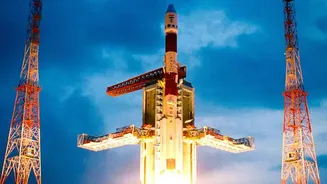
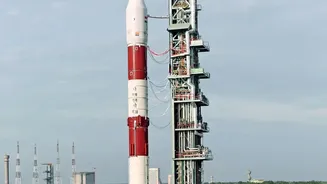
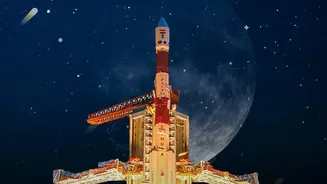
ISRO is accelerating its launch cadence, reflecting growing confidence and capability. Chairman V Narayanan confirmed the target of at least seven launches for the fiscal year, with several satellites already built and others in the final stages of integration.
This high-tempo operational schedule is designed to clear a backlog of missions and firmly establish India as a reliable and influential player in the global space community. The plan encompasses a diverse portfolio, touching everything from crucial Earth observation and communication services to groundbreaking scientific exploration and the jewel in the crown: the Gaganyaan human spaceflight program.
Gaganyaan: The Human Spaceflight Push
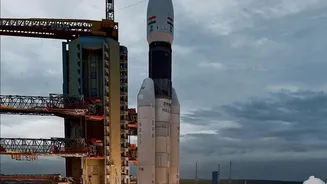
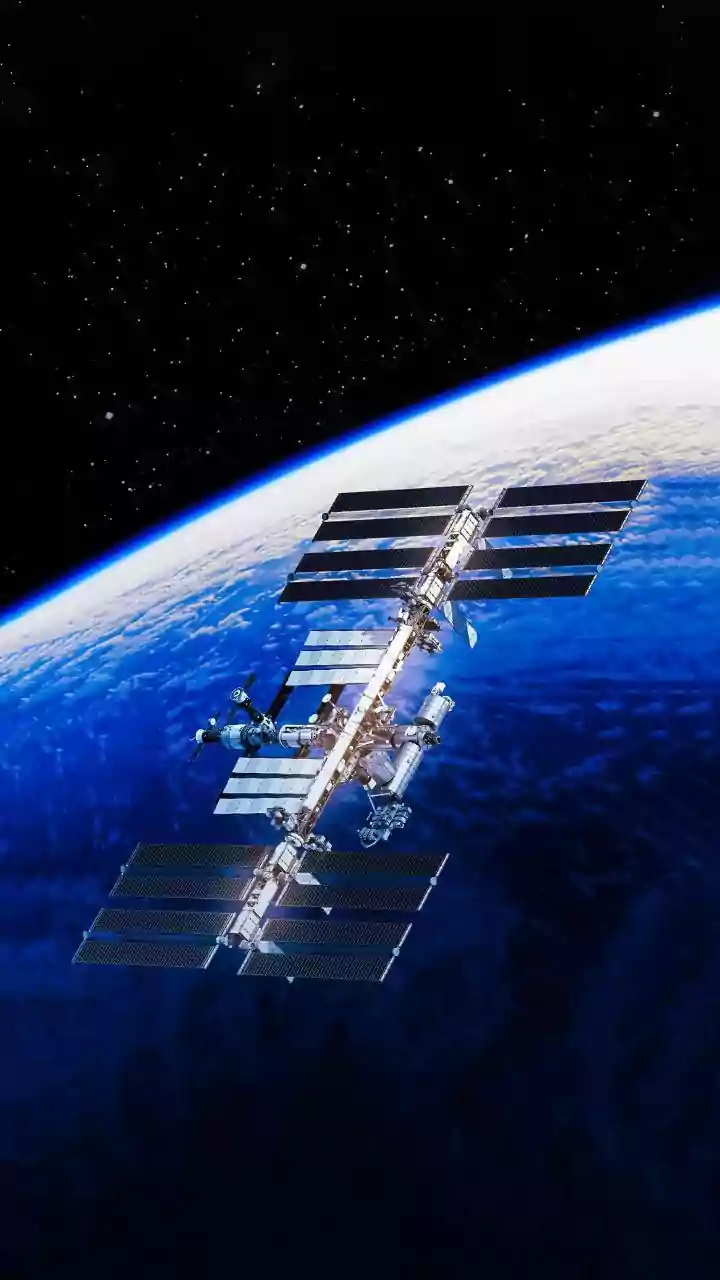
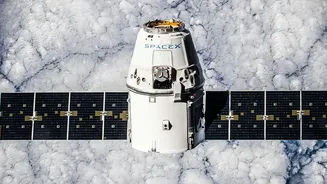
The centerpiece of the upcoming schedule is the Gaganyaan program, India's quest to send astronauts to Low Earth Orbit. The year is expected to feature at least one, and possibly two, uncrewed test flights, designated G1 and G2. The G1 mission, slated for the latter half of 2026, is a critical end-to-end test of the human-rated LVM3 rocket and crew module systems. It will be followed by G2, which will carry the humanoid robot Vyommitra to simulate an astronaut's presence and monitor life-support systems. These flights are the final dress rehearsals before Indian astronauts, or 'Gaganyatris', make their own journey to space, currently targeted for 2027.
Eyes in the Sky: Observation Satellites
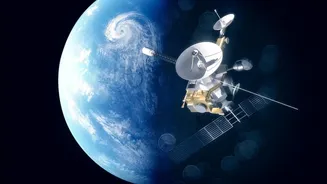
Strengthening India's remote sensing capabilities is another key focus. A major launch anticipated is for an Earth Observation Satellite (EOS). One such satellite, GISAT-1A (EOS-05), is designed to provide near real-time imaging of the Indian subcontinent from a geostationary orbit. This constant watch is invaluable for rapid disaster management during cyclones and floods, as well as for managing agriculture, forests, and monitoring borders. Another significant mission is Oceansat-3A, which will provide vital data for oceanography, the fishing industry, and climate change research.
Connecting India: Communication Payloads
To boost the country's digital infrastructure, ISRO's plan includes the launch of new communication satellites. The GSAT-32 satellite is on the manifest, designed to give a much-needed boost to India's telecom network. These launches aim to enhance broadband services, especially in remote and hard-to-reach areas, supporting the Digital India initiative and ensuring robust communication channels for strategic and civilian use.
The Scientific Frontier: Lunar and Interplanetary Goals
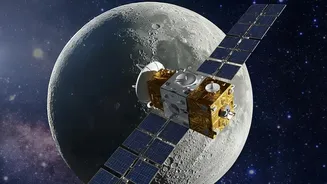
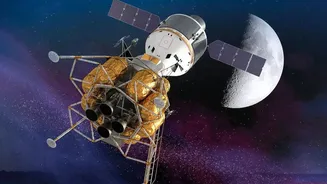
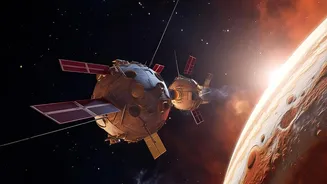
While the immediate launch schedule is packed with satellites and Gaganyaan tests, ISRO is also advancing its ambitious scientific missions. Work continues on Chandrayaan-4, a complex lunar sample-return mission that aims to bring back material from the Moon's south pole. This mission is a significant technological leap, building on the success of Chandrayaan-3. Also on the horizon are a planned Venus orbiter mission and the LUPEX mission in collaboration with Japan to explore for water ice on the Moon. While these may launch after the initial seven-mission window, the groundwork and preparations are a major part of ISRO's current focus, cementing India's credentials as a serious deep-space explorer.