




Prioritise Safety Above All Else
The allure of misty mountains and roaring waterfalls is strong, but monsoon weather is notoriously unpredictable. [2] Before and during your trip, keep a constant check on the weather forecast, especially for destinations in hilly regions prone to landslides.
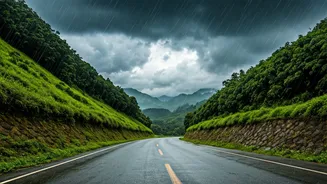
[2, 6] Roads can be treacherous, so if you're driving, ensure your vehicle is serviced and drive slowly and steadily, avoiding unexplored or unpaved routes. [2] It's wise to avoid overly adventurous activities like trekking on slippery trails or water sports in swollen rivers. [8] Always pack a first-aid kit with essentials for common monsoon ailments and an insect repellent. [3, 14] And while the street food might look tempting, it’s safer to opt for freshly prepared hot meals to avoid waterborne illnesses, which are more common this season. [3, 8]
Pack Smart, Pack Sustainable
Packing for a monsoon trip goes beyond just a raincoat and umbrella. Opt for synthetic, quick-drying clothes over cotton, as they dry faster and won't leave an unpleasant damp smell. [2, 11] Instead of single-use plastic ponchos, invest in a durable raincoat and waterproof footwear with good grip to prevent slips. [8, 14] To protect your electronics like cameras and phones from the constant humidity and sudden downpours, use waterproof bags or airtight covers. [11] Consider eco-friendly travel products like a reusable water bottle to reduce plastic waste, a bamboo toothbrush, and solid toiletries (shampoo bars, soap) to minimize your environmental footprint. [10, 20] A power bank is also a must-have, as power cuts can be frequent in some areas during heavy rains. [3, 8]
Tread Lightly on a Fragile Environment
Rain-soaked landscapes are often ecologically fragile. Uncontrolled tourism can lead to soil erosion, vegetation trampling, and water contamination. [18, 19] Stick to designated paths when visiting natural areas to avoid contributing to soil erosion. The increased water flow can also strain local sewage and waste management systems. [19] Be mindful of your waste; carry a reusable trash bag and dispose of litter responsibly. [13] In ecologically sensitive areas like rainforests or national parks, simple actions like cleaning mud from your shoes before entering can help prevent the spread of non-native seeds or soil pathogens. [18] By being a conscious visitor, you help preserve the very beauty you’ve come to enjoy.
Embrace and Support the Local Economy
The monsoon is often considered an off-season for tourism in many parts of India, which means local businesses can face a significant drop in income. [6, 12] This is a perfect opportunity to make a positive impact. Choose to stay in locally-owned guesthouses, homestays, or small hotels instead of large international chains. [4] This ensures your money directly supports the community. [4, 16] Dine at local restaurants and cafes to savour authentic regional cuisine while helping small business owners. [7, 9] When shopping for souvenirs, visit local markets to buy handcrafted goods directly from artisans. [4, 7] This not only gets you a unique memento but also helps preserve traditional crafts and provides a livelihood for local families. [4]
Be a Considerate and Patient Guest
While the rain can be a source of joy for a traveller, it can present significant challenges for local communities, including flooding, transportation disruptions, and damage to infrastructure. [24] Be a patient and understanding tourist. Travel plans may get delayed or cancelled due to weather, so it's best to have a flexible itinerary. [3] Rather than getting frustrated, use it as an opportunity to relax and enjoy the cozy atmosphere of your stay. [3] Be mindful of your resource consumption, as essentials like water and electricity might be under strain. [26] By being a low-impact and considerate guest, you show respect for your host community and contribute to a more positive and sustainable tourism culture, ensuring the magic of the monsoon can be enjoyed for years to come.