


What Makes a Butter 'Artisanal'?
The term 'artisanal' has become a buzzword, but in the context of nut butters, it signifies a return to craftsmanship. Unlike mass-produced spreads that can contain added oils, sugars, and preservatives to ensure uniformity and long shelf life, artisanal butters are
typically made in small batches. This approach allows makers to focus on the quality of ingredients, often sourcing high-grade nuts and all-natural spices. The process is slower and more hands-on, resulting in a product where the true flavour of the roasted nuts shines through, enhanced rather than masked by additions. For consumers, this means a cleaner label and a more distinctive, less processed taste.
A Fusion of Health and Flavour
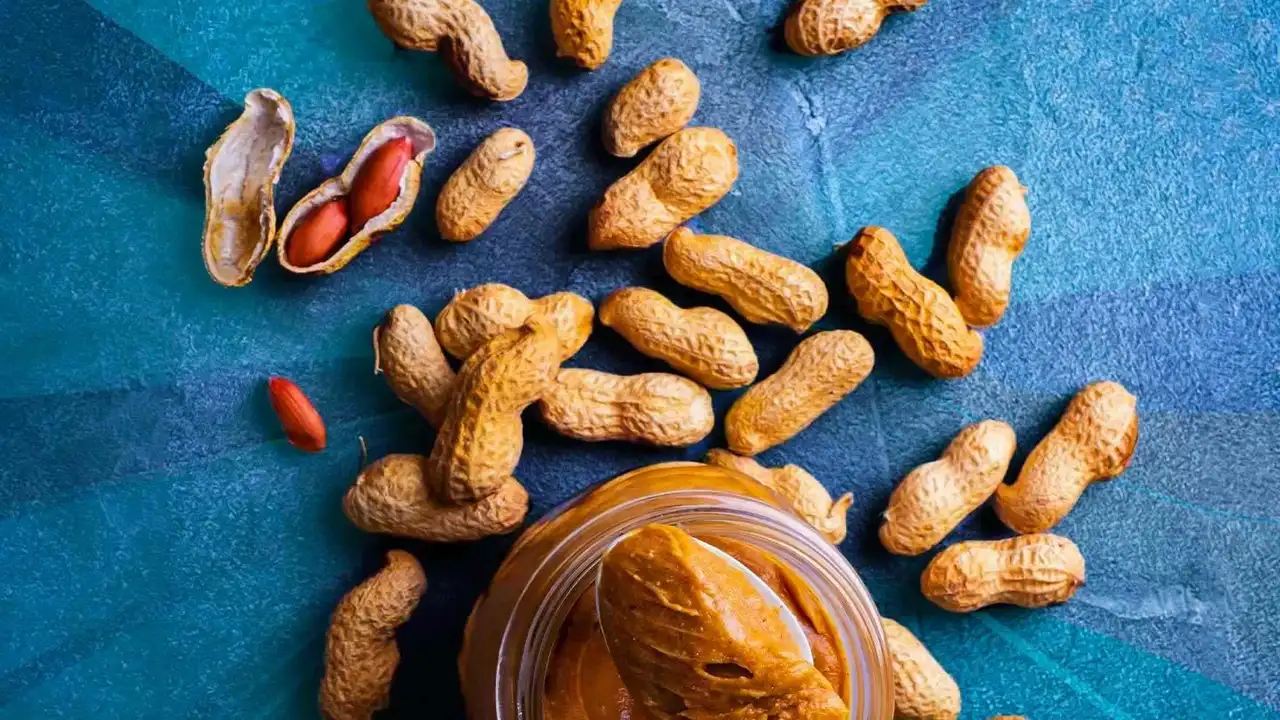
The primary driver behind this trend is a dual focus on health and taste. Nut and seed butters are nutritional powerhouses, packed with heart-healthy fats, protein, and essential micronutrients like magnesium and zinc. Artisanal producers are elevating these benefits by incorporating seeds like chia, flax, and pumpkin, and spices celebrated for their wellness properties. You can now find almond butters infused with golden turmeric, cashew butters spiced with cardamom and saffron, or even peanut butters with a kick of Byadagi chilli. These combinations not only cater to the Indian palate's appreciation for complex flavours but also add an extra layer of functional benefits to every spoonful.
Exploring the New Flavour Frontier
The flavour profiles are becoming increasingly inventive, moving far beyond simple sweet or salty. Drawing inspiration from traditional Indian sweets and spices, brands are launching creative concoctions like Thandai nut butter, which blends cashews, almonds, and pistachios with fragrant spices. Other unique pairings include cashew coconut butter with saffron, marzipan-flavoured cashew butter with rose petals, and savoury options like peri-peri cashew butter. These butters are designed to be a culinary ingredient in their own right, reflecting a growing consumer desire for pantry staples that are both convenient and exciting.
More Than Just a Spread for Toast
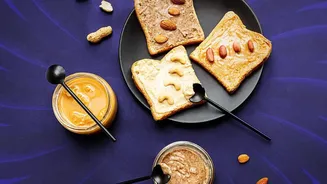
While delicious on a slice of fresh bread, the uses for these spiced butters are limitless. Their creamy texture makes them a perfect base for sauces and dressings; imagine a satay sauce made with a spicy peanut butter or a creamy salad dressing whisked with almond butter. They can be blended into smoothies for a protein boost, swirled into oatmeal or yogurt for a decadent breakfast, or used as a dip for fresh fruit like apples and bananas. In baking, they can add moisture and richness to cookies, brownies, and energy balls. Savoury butters can even be stirred into soups or used as a marinade for chicken or tofu, adding depth and creaminess.
How to Choose a Quality Butter
When navigating the growing market, the ingredient list is your best friend. A high-quality nut butter should have a very short list of ingredients, ideally just nuts and salt. For spiced versions, look for recognisable, natural spices. A key indicator of a natural product is oil separation; if a layer of oil appears at the top, it's a good sign that the butter is free from the hydrogenated oils and emulsifiers used to keep commercial spreads permanently mixed. Also, be mindful of sugar content. The best artisanal butters use minimal sweeteners, if any, letting the natural sweetness of the nuts and the aroma of the spices take centre stage.