




1. The Anti-Optimisation Holiday
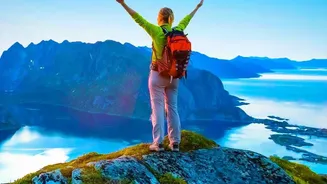
After years of 'holidaymaxxing'—cramming every possible activity into one trip—a new philosophy is taking hold: the joy of doing less. The 'anti-optimisation' trend is a direct response to burnout, favouring unstructured time and longer stays in fewer
places. Instead of a frantic checklist, travellers in 2027 are prioritising rest and spontaneity. Reports show that nearly eight in ten travellers believe a truly restorative holiday means ditching the schedule. This approach isn't about planning less; it's about planning differently, choosing a few deep experiences over a dozen superficial ones and allowing for moments of unplanned discovery.
2. Ancestry and Heritage Pilgrimages
Travel is becoming deeply personal, with a massive surge in people journeying to explore their family history. Fuelled by the popularity of at-home DNA tests and digitised records, 'ancestry tourism' is one of the fastest-growing segments of the travel economy. This isn't just about sightseeing; it’s about connecting with your roots, whether that means finding a great-grandparent's village in Italy, walking the grounds of a family farm in Ireland, or participating in cultural programs like Ghana's 'Year of Return' initiative. These trips are often described as transformative, offering a profound sense of identity and connection that a typical vacation can't match.
3. The Rise of the 'Skillcation'
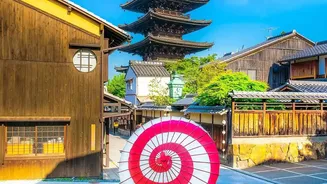
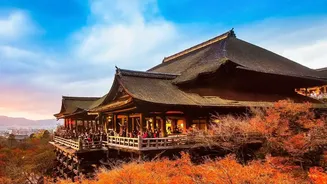
Why bring home a souvenir when you can bring home a new skill? The 'skillcation' trend is turning holidays into opportunities for personal growth. Instead of passive relaxation, travellers are actively planning trips around learning something new, like a pottery workshop in Japan, a surf camp in Bali, or a cooking course in Italy. According to one report, a significant number of travellers are interested in taking a skill-based trip, seeing it as a way to connect more deeply with a culture and return home with more than just memories. These experiences are designed for all levels, from curious beginners to those honing an existing passion.
4. AI-Powered, Human-Verified Trips
Artificial intelligence has moved from a novelty to a core travel planning tool. By 2027, starting a holiday plan with a simple, natural language prompt like 'plan a quiet mountain weekend with great food' will be commonplace. AI excels at the initial heavy lifting: generating itineraries, comparing destinations, and finding hidden gems in minutes. However, the trend isn't about replacing human touch entirely. The dominant model is a hybrid one, where travellers use AI for discovery and inspiration but still rely on trusted booking sites or human travel advisors to handle the final, complex logistics and provide accountability.
5. Regenerative Wellness Getaways
The concept of a wellness holiday is evolving from simple relaxation to active investment in personal wellbeing. 'Regenerative wellness' frames health as a form of personal capital, and travellers are seeking expert-led trips designed to actively improve their physical and mental state. This goes beyond a standard spa break. Think immersive nature experiences, tech-detox retreats, and holidays centered around nervous system regulation. It’s a proactive approach, with people choosing holidays that offer long-term benefits, not just a temporary escape from a busy life.
6. Nomadic Group Celebrations
Who says a holiday has to be centered around one family's home? A growing trend sees groups of friends or multi-generational families opting for a 'nomadic' celebration. Instead of descending on one household, the group rents a large vacation home or books a block of rooms in a new destination, sharing the costs and responsibilities. This approach allows families and friends to explore new places together, from the mountains of Croatia to the coast of Mexico, creating a shared adventure rather than placing the hosting burden on a single person or family. It combines the joy of togetherness with the excitement of travel, redefining what a holiday gathering can be.