


Why High Heat Is a Bad Idea
It might seem like the fastest solution, but placing wet shoes near a radiator, in front of a space heater, or blasting them with a hairdryer can ruin them. High heat can melt the adhesives that hold your shoes together, causing the sole to separate from
the upper. It can also cause materials like leather to dry out too quickly, leading to cracks, stiffness, and permanent warping. Synthetic fabrics and mesh can shrink or lose their shape entirely. Even leaving them in direct sunlight can be harmful, as UV rays can fade colours and make materials brittle. The goal is to dry your shoes safely, preserving their fit and integrity for years to come.
First Steps: Prep Your Shoes
Before you begin any drying method, a little preparation goes a long way. If your shoes are muddy, give them a gentle clean first. Then, remove the insoles and loosen the laces as much as possible. Taking out the insoles allows them to dry separately and much faster, while opening up the shoe helps air to circulate deep inside. This simple step is crucial because trapped moisture is the primary cause of unpleasant odours and potential mould growth. Once the insoles are out and the laces are loose, you're ready to start the drying process.
Method 1: The Classic Newspaper Trick
One of the oldest and most effective methods involves a common household item: newspaper. The paper is highly absorbent, acting like a sponge to pull moisture from the shoe's interior. Use black-and-white newsprint, as glossy ads and coloured inks are less absorbent and can transfer onto your shoes. Crumple several sheets into loose balls and stuff them firmly into your shoes, reaching all the way to the toe. For very wet shoes, you will need to replace the saturated newspaper with fresh, dry sheets every few hours to speed up the process. This method is excellent for preserving the shape of the shoe while it dries.
Method 2: Harness the Power of a Fan
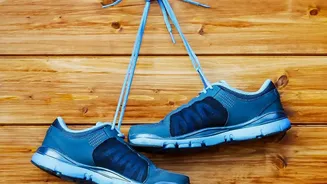
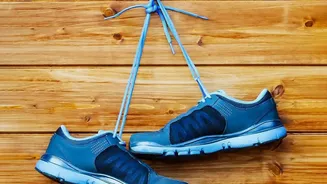
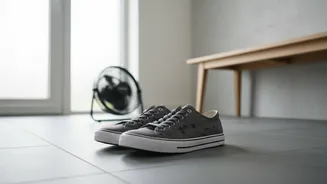
For a faster, yet still safe, drying method, a simple room fan is your best friend. Good airflow is key to accelerating evaporation without the damaging effects of heat. After prepping your shoes, place them in front of a floor or table fan. You can prop them up so the air blows directly inside the shoe opening. Some people even fashion hooks from an old wire coat hanger to suspend the shoes from the fan's grille, ensuring maximum airflow all around. Depending on how saturated they are, shoes can be dry in just a few hours using this technique.
Method 3: Special Care for Leather Footwear
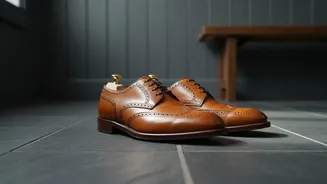
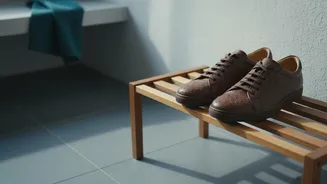
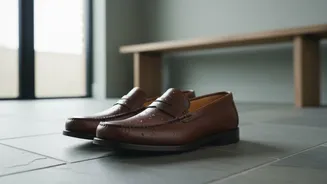
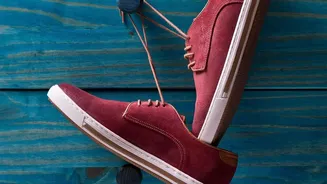
Leather shoes require extra care because they are particularly vulnerable to damage from improper drying. When leather gets soaked, the water bonds with the natural oils within the material. If it dries too quickly, those essential oils are drawn out, leaving the leather stiff, brittle, and prone to cracking. After blotting away excess surface water, the best method for leather is to insert cedar shoe trees. Shoe trees help absorb moisture from the inside while, crucially, maintaining the shoe's proper shape as it dries. Always let leather shoes air-dry naturally in a well-ventilated room, away from any direct heat or sunlight, for at least 24 hours.