



The Magic of Late Summer in Ladakh
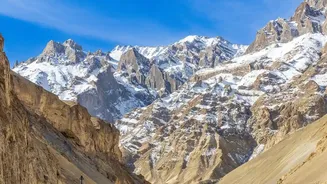
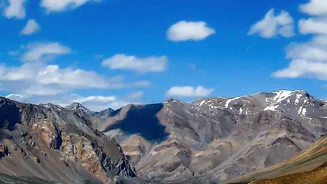
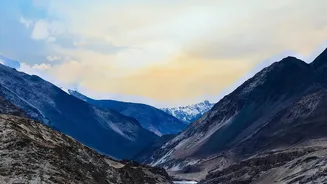
Late summer, spanning from late August to the end of September, is a magical window for visiting Ladakh. The monsoon has largely passed, leaving behind clear blue skies and breathtakingly sharp views of the Himalayan peaks. Unlike the peak tourist months
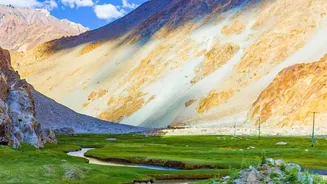
of June and July, the crowds begin to thin, offering a more peaceful experience. The daytime weather is pleasantly warm, ideal for sightseeing, with temperatures in Leh and Nubra Valley hovering between 15°C and 25°C. As September progresses, the landscape acquires a golden hue, with poplar and willow trees turning a brilliant yellow, creating a stunning contrast against the barren mountains—a photographer's dream. All major roads and passes, including Khardung La and Chang La, are typically open and in good condition, making it one of the most reliable times for a road trip.
Leh: Your Gateway and Acclimatisation Hub
Your journey begins in Leh, situated at a high altitude of 11,500 feet (3,500 meters). Whether you fly in or arrive by road, proper acclimatisation is non-negotiable to prevent Acute Mountain Sickness (AMS). The golden rule is to dedicate your first 24 to 48 hours in Leh to complete rest. This means avoiding any strenuous activity, including long walks through the market. Let your body adjust to the low oxygen levels. Stay hydrated by drinking 3-4 litres of water, herbal tea, or traditional garlic soup daily. Once you feel settled, you can explore Leh's local sights, such as the Leh Palace, Shanti Stupa, and the bustling main market. These short excursions help your body adapt before you ascend to even higher altitudes. Many travellers consult their doctor about taking Acetazolamide (Diamox) before the trip to aid acclimatisation.
Over the Pass to Nubra Valley
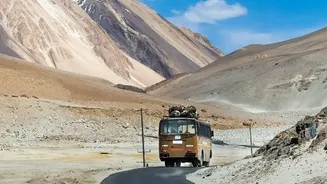
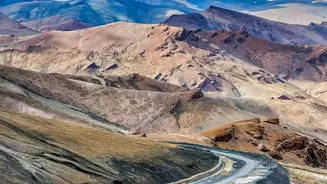
After acclimatising in Leh, it’s time to head to the stunning Nubra Valley. The journey takes you over Khardung La, one of the world's highest motorable passes at 18,380 feet. The drive itself is an adventure with spectacular views. Nubra Valley, a high-altitude cold desert, is famous for its dramatic landscapes. Key attractions include the Diskit Monastery, which houses a towering 108-foot statue of Maitreya Buddha, and the Hunder sand dunes. Here, you can witness the unique sight of double-humped Bactrian camels, a throwback to the region's history as a stop on the Silk Road. The direct route from Nubra Valley to Pangong Lake via the Shyok Valley road is often open in late summer, saving you from backtracking to Leh and allowing for a more efficient itinerary.
The Unforgettable Blues of Pangong Tso
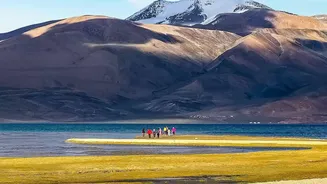
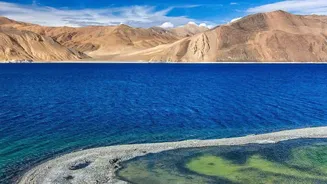
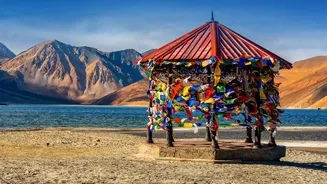
No trip to Ladakh is complete without visiting Pangong Tso, the enchanting high-altitude lake that stretches from India to Tibet. The drive to Pangong, usually via the Chang La pass, offers more jaw-dropping scenery. The lake is famous for its ability to change colours, shifting through shades of blue, green, and grey throughout the day. While day trips are possible, staying overnight in a camp near the lake allows you to witness a spectacular sunset and sunrise, along with incredible stargazing in the clear night sky. Be aware that temperatures at Pangong drop significantly at night, often dipping below freezing even in late summer, so pack warm layers. By late September, many of the lakeside camps may start to wrap up for the season, so it's wise to book your accommodation in advance.
Essential Checklist for Your Trip
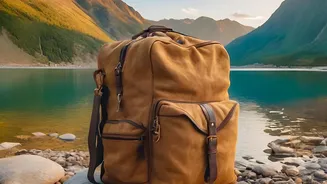
Packing correctly is crucial for a comfortable trip. The key is layering. Pack thermal innerwear, fleece jackets, and a windproof and waterproof outer jacket. The sun's UV rays are intense at high altitudes, so sunscreen with high SPF, sunglasses, and a wide-brimmed hat are must-haves. For Indian nationals, an Inner Line Permit (ILP) is required to visit protected areas like Nubra Valley and Pangong Tso. This can be easily obtained online or through a travel agent in Leh. Carry multiple photocopies of the permit and your ID. ATMs are scarce and can be unreliable outside of Leh, so it’s essential to carry sufficient cash. A basic medical kit with medicines for headache, nausea, and any personal prescriptions is also highly recommended.