



An Explosion of Complex Flavour
To describe the taste of a fresh Jamun is to capture a paradox. The initial bite is a burst of sweetness, quickly followed by a pleasant tartness that makes your mouth water. But the true magic lies in the finish: a distinct, mildly astringent quality
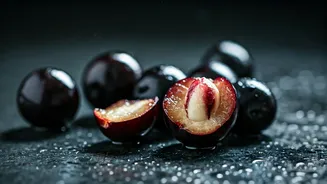
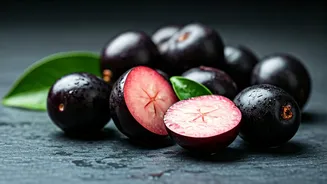
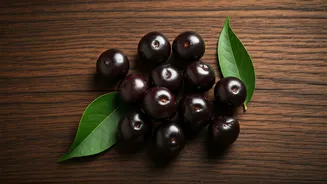
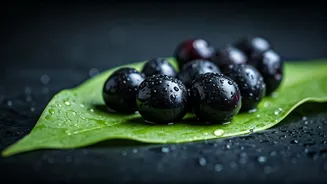
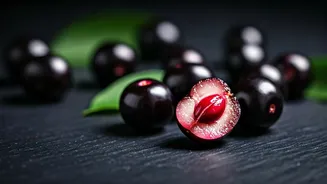
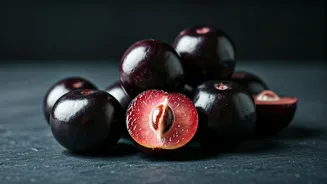
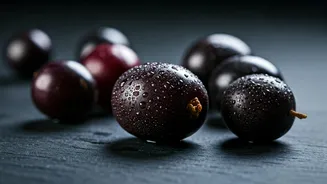
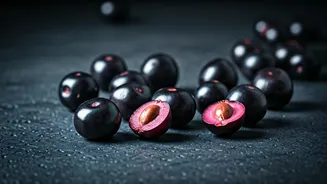
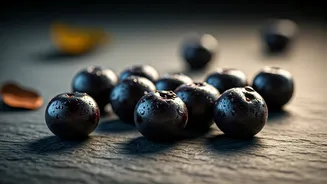
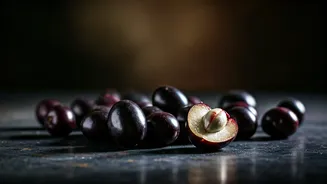
that leaves your palate clean and wanting more. This unique flavour profile, known as ‘kasaila’ in Hindi, is what sets it apart from other stone fruits. It’s not just sweet; it’s an event. This complexity is what makes it so addictive. For many, the arrival of Jamun-laden carts on street corners signals the true beginning of the monsoon, a sensory cue deeply embedded in the Indian psyche. The dark, glossy skin gives way to purple flesh that clings stubbornly to the seed, ensuring every bite is a deliberate, enjoyable effort.
The Unsung Nutritional Powerhouse
Beyond its captivating taste, the Jamun is a powerhouse of nutrition that has been celebrated in traditional Indian medicine for centuries. It’s a low-calorie fruit, making it a guilt-free snack. More importantly, it is loaded with antioxidants, particularly anthocyanins, which are responsible for its deep purple colour and are known for their anti-inflammatory properties. These compounds help combat oxidative stress and protect the body's cells from damage. Jamun is also a rich source of Vitamin C and iron, which can help increase haemoglobin count. Its most famous traditional use, which modern science is now studying, is in managing blood sugar levels. The seeds, often dried and powdered, are believed to have active ingredients like jamboline and jambosine that may slow down the rate at which sugar is released into the bloodstream. While it's not a cure, its low glycemic index makes it a favourable fruit for many.
A Fruit Steeped in Culture
The Jamun is more than a food; it's a piece of collective memory. It’s the taste of childhood summers spent climbing trees or pooling pocket money to buy a paper cone of fruit sprinkled with black salt. This simple addition of ‘kala namak’ is a stroke of culinary genius, as the saltiness expertly cuts through the astringency and heightens the fruit's natural sweetness. In Hindu mythology, Lord Krishna is often depicted with skin the colour of the Jamun fruit, giving it a divine association. Its presence is woven into the fabric of daily life during its short season, from being a simple snack to flavouring ice golas and kulfis. The wood of the Jamun tree is also considered auspicious and is used in various Hindu rituals. This deep-rooted cultural significance elevates the fruit from a simple commodity to a cherished seasonal icon.
How to Pick the Perfect Batch
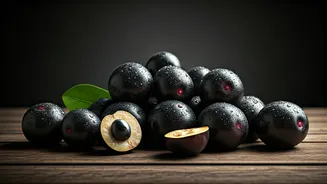
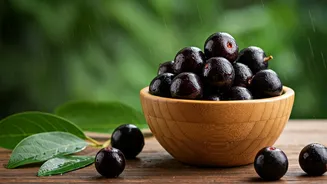
The Jamun season is painfully short, so making the most of it is key. When buying them, look for fruit that is plump, dark purple—almost black—and has smooth, unblemished skin. Avoid those that are overly soft, bruised, or have hints of green, as they will be unpleasantly astringent. A perfectly ripe Jamun should feel firm to the touch but yield slightly to gentle pressure. Don't be afraid to ask for a taste! Most vendors will happily oblige. Once home, they are best eaten fresh within a day or two. Wash them thoroughly under running water right before you plan to eat them. Storing them unwashed in the refrigerator can extend their life by a couple of days, but nothing beats the flavour of a fresh, room-temperature Jamun bought straight from the market.