



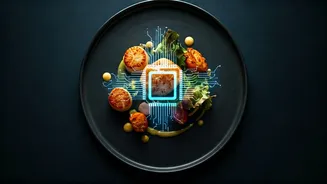


What is a Smart Kitchen, Really?
Forget the cartoonish idea of a refrigerator that just tells you the weather. In 2026, a smart kitchen is a connected ecosystem where your appliances communicate with each other and with you. It's about integrating the Internet of Things (IoT), artificial
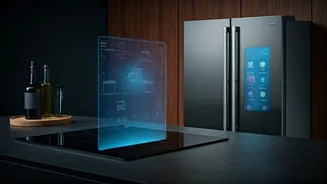
intelligence (AI), and automation to create a seamless experience. Think of an oven you can preheat on your way home, a fridge that suggests recipes based on its contents, and lighting that adjusts automatically when you start cooking. The goal isn't just novelty; it's about making daily routines more convenient, efficient, and even enjoyable. These systems are designed to save you time, reduce mental effort, and streamline one of the busiest spaces in any home.
The AI Chef in Your Corner
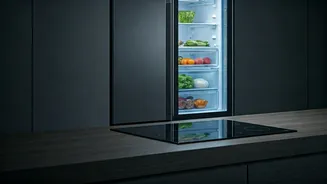
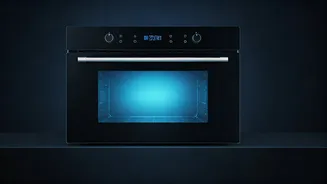
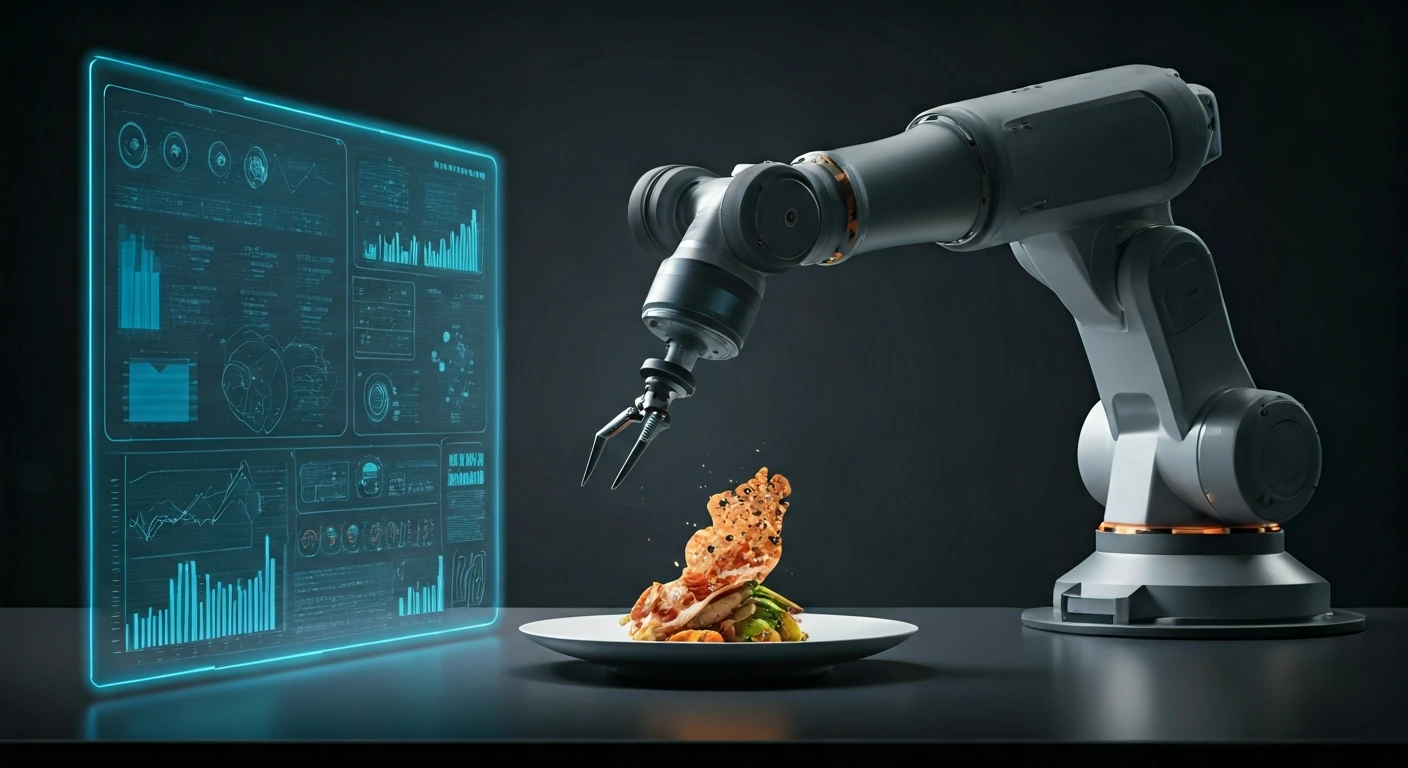
The biggest leap forward is the integration of artificial intelligence. AI is turning passive appliances into proactive assistants that learn your habits. High-end ovens can now use sensors to recognise what you've put inside, automatically adjusting the cooking mode and temperature for perfect results. Smart refrigerators go beyond simple inventory tracking; they can now identify ingredients, monitor expiry dates to reduce food waste, and suggest entire meal plans. This predictive capability is what sets the new generation of smart kitchens apart, moving from reactive commands to anticipating your needs before you even voice them.
The Indian Kitchen Gets an Upgrade
For Indian households, where cooking is often elaborate and a daily ritual, smart technology is solving specific challenges. Companies are now designing appliances with Indian cooking in mind. This includes smart hobs with high-efficiency brass burners for high-heat cooking and flame failure devices for safety. You can find multi-functional smart ovens with pre-set menus for dishes like Tandoori Chicken, and refrigerators that might suggest a Kadai Paneer recipe if they detect the right ingredients. Chimneys with auto-clean technology are another popular innovation, designed to handle the oil and spices common in Indian cuisine, making maintenance far less of a chore.
More Than Just Convenience
While saving time is a major draw, the benefits of a smart kitchen extend into sustainability and efficiency. Many smart appliances are designed to be energy-efficient, optimising electricity usage to reduce bills. Smart dishwashers use sensors to detect how dirty the dishes are, adjusting the water and energy used accordingly. Refrigerators with better temperature management and inventory tracking can significantly cut down on food waste, a major environmental and financial concern. Some systems can even connect to the local utility grid to run during off-peak hours, further enhancing savings.
Is It All Worth It?
Despite the benefits, there are valid considerations. The most significant barrier for many is the high upfront cost, with smart appliances often priced considerably more than their traditional counterparts. Beyond the price tag, there are concerns about data privacy, as these connected devices collect information about your habits. There's also the matter of technological reliability; a dependency on Wi-Fi means a spotty connection can render smart features useless, and repairs for complex electronics can be more expensive. For some, the potential for app glitches and the need for regular updates can feel like more trouble than they're worth.
The Future is Integrated and Intuitive
The smart kitchen trend is moving towards a fully integrated, almost invisible, experience. The future isn't about having a dozen separate apps, but a single, cohesive system where your kitchen anticipates and adapts to your life. Expect to see more touchless faucets, voice-activated controls, and even augmented reality that can superimpose cooking instructions onto your workspace. As the technology becomes more affordable and standardised, these features will shift from being a luxury to a standard element of modern home design, making our kitchens not just smarter, but more responsive to our needs.