



From Dadi’s Achaar to Artisanal Kimchi
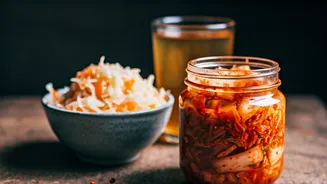
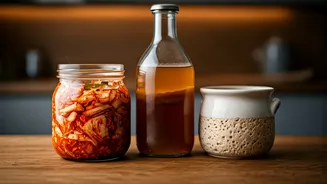
The tangy funk of fermentation is having a serious moment. What was once the quiet, bubbling work of our grandmothers preserving mangoes and lemons for the year is now a trendy, Instagram-worthy pursuit. In cities across India, home cooks are nurturing
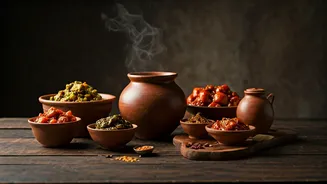
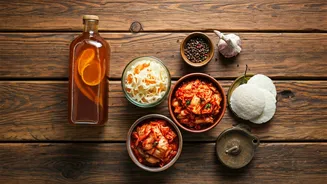
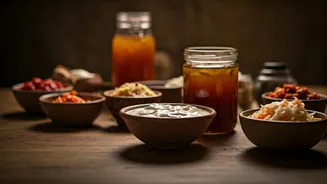
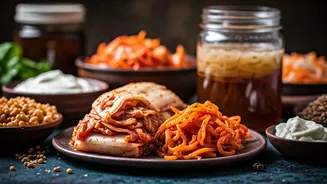
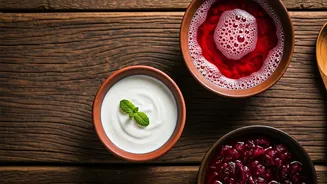
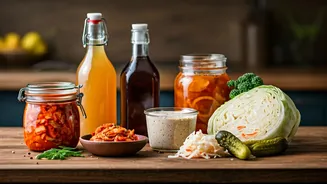
jars of sourdough starter like pets, cafes are brewing endless flavours of kombucha, and artisanal brands are selling everything from fiery kimchi to creamy kefir. This revival isn't just about importing global trends; it’s about reconnecting with a practice deeply embedded in our own food culture. For every new bottle of beetroot kvass, there is a nostalgic memory of a clay pot of kanji brewing in the winter sun. The new ‘cool’ is simply a modern, more visible extension of a timeless Indian tradition.
The Science of the Sour
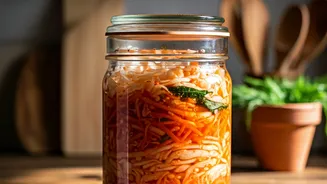
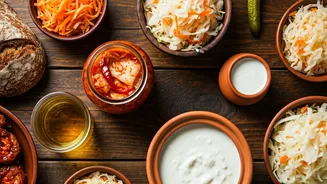
So what exactly is going on in those bubbling jars? Fermentation, at its simplest, is the magic of microorganisms. We introduce beneficial bacteria, yeasts, and moulds to food, and they get to work breaking down sugars and starches. This process not only preserves the food but also transforms it, creating complex, tangy, and deeply savoury flavours. More importantly, it creates probiotics — the ‘good bacteria’ that have become the wellness world’s biggest stars. A growing body of research suggests that a healthy gut microbiome, populated by diverse bacteria, is linked to better digestion, a stronger immune system, and even improved mental health. Fermented foods are one of the most natural and effective ways to introduce these beneficial microbes into our diet, turning a simple cabbage into gut-friendly sauerkraut or milk into probiotic-rich dahi.
A Reaction to Modern Life
The resurgence of fermentation is more than a health trend; it’s a cultural statement. In an age of ultra-processed, shrink-wrapped foods, fermentation offers a return to something real and alive. It’s a slow, mindful process that demands patience and observation—a welcome antidote to our fast-paced, convenience-driven lives. The pandemic played a huge role, too. Confined to our homes, many of us turned to the kitchen for comfort and creativity, and sourdough baking became a global phenomenon. Furthermore, fermentation aligns perfectly with growing concerns about sustainability. It’s a powerful technique for reducing food waste, allowing us to preserve seasonal produce and get the most out of our ingredients. Making your own fermented foods gives you complete control over what you eat, free from the preservatives, sugars, and additives found in many store-bought products.
Rediscovering Our Own Roots
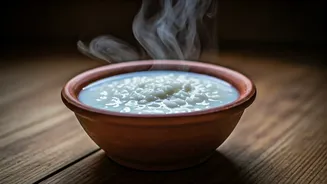
While kombucha and sourdough might feel new, India has a vast and diverse library of fermentation knowledge. It is the invisible force behind the fluffy texture of our idlis and dhoklas. It’s the sour tang in the beloved rice water porridge, pazhamkanji, from Kerala. It’s in the pungent, fermented bamboo shoots (soibum) of Manipur and the fizzy, mustard-powered kanji of North India. Every region has its unique pickles, chutneys, and drinks that rely on this ancient science. The current trend, then, offers us a wonderful opportunity: to not only embrace the new wave of global fermented foods but also to look back into our own kitchens and rediscover the incredible, probiotic-rich traditions that have been nourishing us for centuries. The best of both worlds is bubbling away, waiting to be explored.