



The Treasure in the Trash
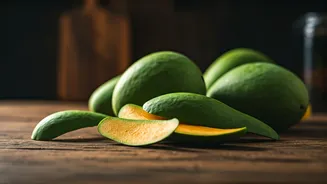
Before you toss that mango peel, consider this: the skin you're about to discard is a powerhouse of nutrients. Much like the fruit's flesh, mango skin is loaded with vitamins, fibre, and powerful antioxidants. Research has shown that mango peels contain
compounds like mangiferin, polyphenols, and carotenoids, which are known for their anti-inflammatory and antioxidant properties. While the tough texture and slightly bitter taste make them unappealing to eat raw, converting them into a powder makes their nutritional benefits accessible. In India, using every part of the mango has been a traditional practice, recognising that by-products often hold significant value. By making this powder, you're not just reducing kitchen waste; you're creating a valuable, nutrient-dense ingredient from scratch.
A Note on Safety and Selection
While mango skin is edible, there are a few important considerations. Firstly, mango peels can contain urushiol, the same compound found in poison ivy, which can cause an allergic reaction in sensitive individuals. If you have a known sensitivity, it's best to avoid this. Secondly, conventionally grown mangoes may have pesticide residues on their skin. To minimise this risk, opt for organically grown mangoes whenever possible, or wash your fruit thoroughly. A good method is to soak the mangoes in a solution of water and white vinegar before peeling. Always use peels from fresh, ripe, and undamaged mangoes to ensure the best quality and flavour for your powder.
From Peel to Powder: The Method
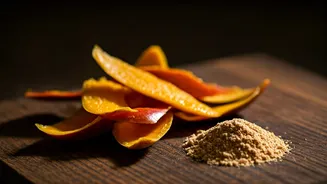
Creating your own mango skin powder is surprisingly simple. The key is to dry the peels completely before grinding. First, peel your washed mangoes, keeping the skins. You can use a peeler to get thin, even strips. Traditionally, these peels are sun-dried. Spread the peels in a single layer on a clean cloth or tray and leave them in direct sunlight for two to three days, or until they are completely dry and brittle. If you don't have access to reliable sunlight, an oven or an air fryer set to a very low temperature (around 80°C) can also be used to dry the peels until they are crisp. Once the peels are fully dehydrated and have cooled down, break them into smaller pieces and grind them in a spice grinder or a powerful blender until you have a fine powder.
How to Use Your Homemade Powder
Now that you have this fragrant, tangy powder, how do you use it? Its applications are surprisingly diverse, spanning both culinary and beauty routines. In the kitchen, it can be used much like amchur (dry mango powder), though its flavour will be slightly different. Sprinkle it into chutneys, marinades, or curries for a tangy twist. You can also add a teaspoon to your morning smoothie for a fibre and antioxidant boost or mix it into yoghurt and raita. For a refreshing drink, stir a small amount into warm water as a daily detox. Its high fibre content can also aid in digestion and promote a feeling of fullness.
Beyond the Kitchen: A Skincare Booster
The benefits of mango peel powder extend to skincare. Its natural alpha hydroxy acids (AHAs) and vitamin C content make it a wonderful ingredient for homemade face packs. These components can help exfoliate dead skin cells, brighten the complexion, reduce the appearance of dark spots, and promote collagen formation. To make a simple face mask, mix a teaspoon of the mango peel powder with a binder like honey, yoghurt, or rose water to form a paste. Apply this to your face and neck, leave it on for about 15 minutes, and then rinse off. The powder's anti-inflammatory properties may also help soothe irritated skin.