

From Ceremony to Cafe Staple
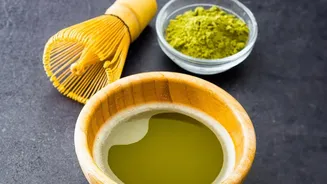
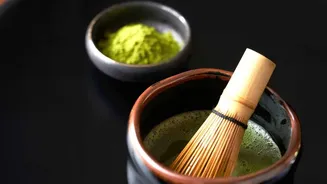
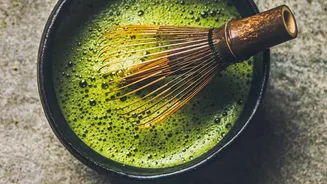
Matcha’s journey into the mainstream has been remarkable. Originating in Japan as a focal point of traditional tea ceremonies, its popularity exploded globally, fueled by its distinct flavour, Instagram-worthy colour, and reported health benefits. For
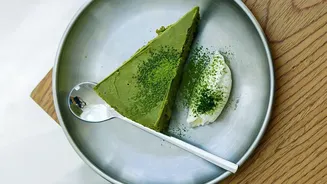
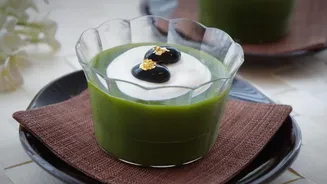
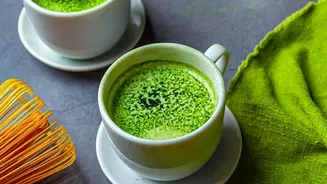
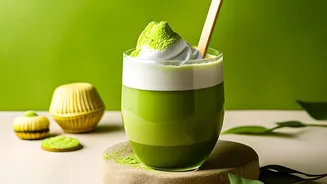
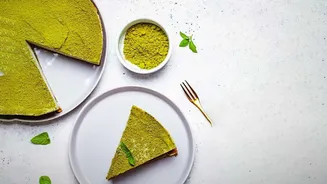
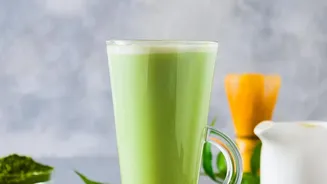
many, the first taste of matcha was in a sweetened latte, a slice of cake, or a scoop of ice cream. In these sweet contexts, its slightly bitter, vegetal notes provide a welcome contrast, creating a balanced and complex dessert. This pairing is so successful that for a long time, matcha was almost exclusively associated with the sweeter side of the menu.
The Savory Shift
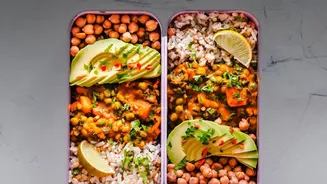
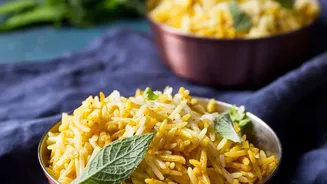
The culinary world is now embracing matcha's versatility beyond confectionery. Imagine matcha-infused gnocchi with a miso butter sauce, a sprinkle of matcha salt on roasted vegetables, or a rub for roast chicken. These aren't just novelties; they represent a growing understanding of matcha's complex flavour profile. Chefs are incorporating it into pasta dough, creamy soups, savory pancakes, and marinades for grilled meats. The vibrant green powder is being treated less like a tea and more like a finishing spice or a foundational herb, capable of adding both colour and a unique layer of flavour to a dish.
The Umami Connection
So, why does it work? The secret lies in one of the five basic tastes: umami. Umami, often described as a pleasant, brothy or savory taste, is a hallmark of high-quality matcha. This flavour comes from amino acids, particularly L-theanine, which become more concentrated when the tea leaves are shaded before harvest—a key step in producing good matcha. This savory depth is what makes it a natural partner for foods that are also rich in umami, such as mushrooms, cured meats, and shellfish. In a dish, matcha's earthy bitterness can cut through richness, its vegetal notes can brighten other ingredients, and its umami quality amplifies the overall savory sensation.
More Than Just Flavour
Beyond its umami kick, matcha brings other desirable qualities to the kitchen. Its brilliant green hue adds a stunning and natural visual appeal to everything from pizza dough to creamy sauces, making dishes instantly more intriguing. There are also the perceived wellness benefits. Matcha is packed with antioxidants, and since you consume the whole ground leaf, you get a more concentrated dose of nutrients compared to steeped green tea. This combination of unique flavour, vibrant colour, and health halo makes it an irresistible ingredient for creative cooks looking to innovate.
Trying Savory Matcha at Home
Experimenting with savory matcha is easier than it sounds. When starting, it's best to use a culinary-grade matcha, which has a stronger, more robust flavour that can stand up to other ingredients. A simple entry point is creating a matcha finishing salt by mixing a small amount of matcha powder with sea salt. This can be sprinkled over eggs, avocado toast, or roasted vegetables. You can also whisk it into salad dressings, add a pinch to a spice rub for chicken or fish, or stir it into creamy dips like hummus or yogurt-based sauces for a subtle, earthy boost. The key is to start with a small amount, as its flavour is potent.