
The Public Health Crisis of High Salt Intake
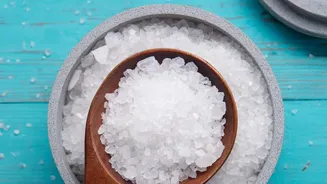
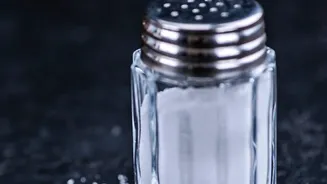
India faces a significant public health challenge from hypertension and cardiovascular diseases. A major contributing factor is dietary salt. On average, Indians consume between 8 to 11 grams of salt daily, which is nearly double the World Health Organization's
recommended limit of 5 grams per day. This excessive sodium intake is a key driver of high blood pressure, which is linked to an estimated 1.75 lakh deaths in the country every year and puts millions more at risk for heart attacks, strokes, and kidney disease. With an estimated 220 million Indians living with hypertension, finding effective, wide-reaching solutions is a national priority.
The Proposed Solution: Potassium-Enriched Salt
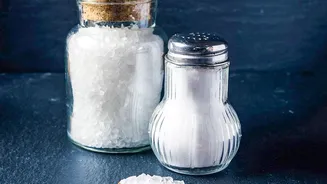
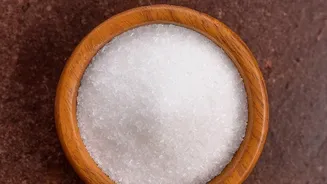
In response, a consensus is growing among leading Indian medical experts, including those from AIIMS and organisations like The George Institute for Global Health, to promote the use of low-sodium salt substitutes (LSSS). These are not entirely new products but reformulated versions of table salt where a portion of the sodium chloride (NaCl), typically 15% to 30%, is replaced with potassium chloride (KCl). The idea is to tackle two problems at once: reducing harmful sodium intake while increasing the intake of potassium, a mineral that helps counteract sodium's effects and lower blood pressure. Experts have called it a 'dietary vaccine' for hypertension, as it requires minimal behavioural change from the public.
The Affordability Question
While the health benefits seem promising, a major hurdle is cost. Currently, low-sodium salt varieties are considered niche products and are significantly more expensive than regular iodised salt. For example, a one-kilogram pouch of Tata Salt Lite, which has 15% less sodium, retails for around ₹54, whereas a standard pack of regular salt costs less than half of that. Other brands with higher potassium content can be even pricier, with some costing ₹275 per kilogram or more. For a staple food item, this price difference is substantial, especially for lower-income households. A nationwide push could make a noticeable dent in the monthly budget of millions of families, raising serious equity concerns.
The Supply Chain Challenge
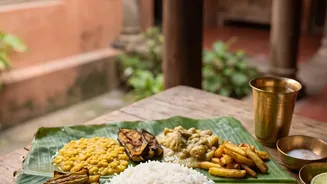
Beyond the price tag, there are significant questions about availability. A key insight is that nearly 80% of salt consumption in India comes from salt added during cooking at home, not from processed foods. This means any effective strategy must reach kitchens across the country. Currently, low-sodium salt is primarily available in larger supermarkets and online in major urban centres. Its availability in smaller kirana stores and rural areas is extremely limited. Scaling up production and building a robust distribution network to ensure this salt reaches every corner of the nation would be a massive logistical undertaking for manufacturers and suppliers.
Other Practical Considerations
There are other factors to consider as well. Potassium chloride can have a slightly different taste profile, sometimes described as bitter or metallic, which could affect consumer acceptance. Furthermore, while safe for the vast majority of the population, individuals with advanced chronic kidney disease or other conditions that impair potassium excretion would need to exercise caution. Experts believe these risks are often overstated compared to the immense potential population-level benefits, but they acknowledge the need for clear labelling and public awareness campaigns. The Food Safety and Standards Authority of India (FSSAI) has previously released draft notifications defining low-sodium salt and its labelling requirements, indicating that regulatory pathways are being considered.