





Reimagine the Pookalam with Nature's Palette
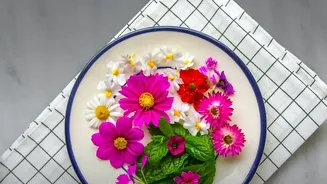
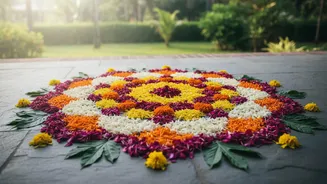
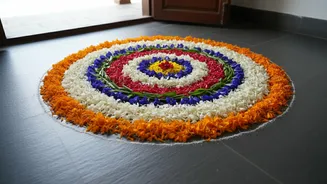
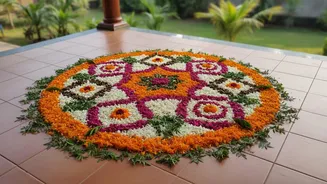
The pookalam, or floral carpet, is the heart of Onam decor. Traditionally, these beautiful designs were made using locally sourced, seasonal flowers. To reduce waste, return to this original practice. Skip the plastic-based, artificially coloured powders
and thermocol elements that have crept into modern designs. Instead, use fresh, local flowers like marigolds, jasmine, hibiscus, and tuberose. Not only will this create a more authentic and fragrant pookalam, but it also ensures everything is biodegradable. After the festivities, the flower petals can be easily composted, returning their nutrients to the earth and completing a perfect natural cycle.
Choose Authentic, Earth-Friendly Lighting
The warm glow of lamps is essential to the Onam atmosphere. While modern LED strings are convenient, they contribute to electronic waste. For a more traditional and eco-friendly approach, opt for terracotta or clay diyas. These handmade lamps are inexpensive, reusable, and create a rustic, earthy ambience that plastic lights cannot replicate. Using traditional brass lamps, or Onam Villaku, is another sustainable choice. These are often family heirlooms passed down through generations, representing a timeless tradition that produces zero waste. By choosing these options, you illuminate your home in a way that honours both heritage and the environment.
Embrace Natural Materials for Home Decor
Beyond the pookalam, homes are often adorned with various decorative items. Instead of reaching for plastic garlands and synthetic decorations, look to the natural world for inspiration. Fresh mango leaf and marigold torans (door hangings) are not only traditional and auspicious but also fully biodegradable. Banana leaves, central to the Onam sadhya, can also be used as stunning, natural table runners or wall decorations. Even coconut shells can be repurposed into beautiful floating flower bowls or candle holders. By using materials like jute, cotton, wood, and clay, you can create a festive space that is both beautiful and free from harmful plastics.
Serve a Sustainable Onam Sadhya
While the headline focuses on decorations, the grand Onam feast, or sadhya, is a major part of the celebration and another area where waste can be reduced. The most traditional and sustainable practice is to serve the multi-course meal on fresh banana leaves. These leaves act as natural, disposable plates that are fully compostable and impart a subtle aroma to the food. This simple act avoids the use of plastic or styrofoam plates and cutlery. Furthermore, planning the feast carefully to minimise food waste is another way to honour the spirit of the harvest festival, which is rooted in gratitude for nature's bounty. Sourcing ingredients locally also reduces the meal's carbon footprint.
Opt for Mindful Gifting and Attire
Onam is also a time for exchanging gifts and wearing new clothes. This year, consider making sustainable choices in these areas as well. For attire, choose the timeless elegance of handloom fabrics like traditional Kasavu sarees and mundus made from natural cotton, supporting local weavers and sustainable fashion. When it comes to gifts, move away from plastic-wrapped novelties. Instead, consider giving handmade items from local artisans, potted plants, or eco-friendly home goods like bamboo kitchenware or beeswax wraps. These thoughtful presents not only delight the recipient but also support a greener economy and reduce unnecessary packaging waste.
Plan for a Green Clean-Up
A truly sustainable celebration ends with responsible waste management. As government bodies in Kerala often promote a 'Green Protocol' for the festival, you can adopt this at home. Before the festivities begin, set up separate bins for segregating waste: one for biodegradable waste like flowers and food scraps, and another for non-biodegradable items. The floral waste from the pookalam and other decorations can go directly into a compost bin. Ensure that any recyclable materials are clean and properly sorted. In some communities, you can even involve Haritha Karma Sena members or local waste management services for proper disposal, ensuring your celebration leaves a minimal footprint on the environment.