


What is a Decoction?
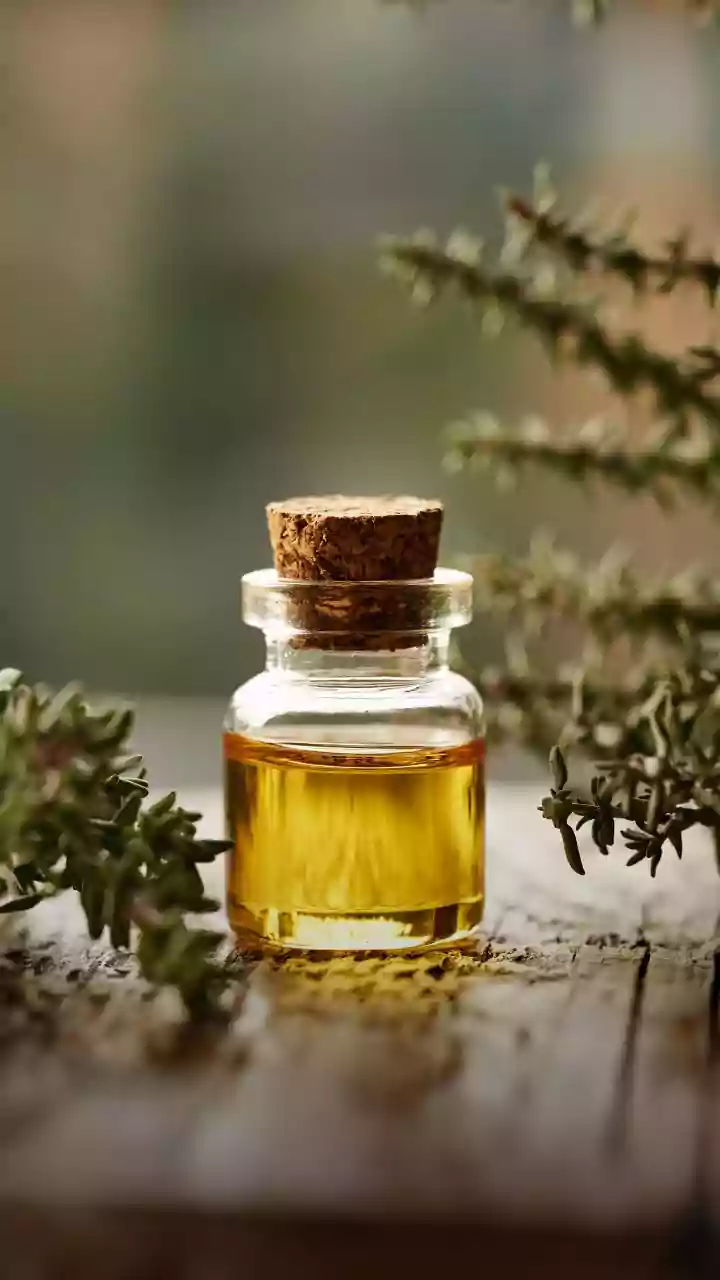
Before we explore these unique brews, it's helpful to understand what a decoction is. Unlike a standard tea infusion, where you steep delicate leaves in hot water, a decoction involves simmering tougher plant parts like roots, bark, seeds, and hardy leaves for a longer
period. This process, boiling the materials in water for 15 minutes or more, is designed to extract the deeper, more robust flavours and beneficial compounds from the ingredients. It’s a method that has been used for centuries in traditional practices like Ayurveda to create potent herbal preparations. The result is a stronger, more concentrated liquid that captures the full essence of the plant.
Sea Buckthorn: The Tangy Himalayan Gold
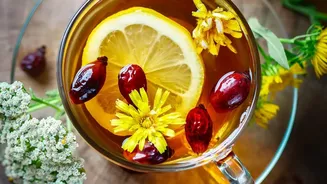
Known as the 'Holy Fruit of the Himalayas', sea buckthorn is a small, bright orange berry that grows wild in the harsh, cold deserts of Ladakh and Lahaul-Spiti. For generations, locals have brewed a tea from its leaves and berries, creating a vibrant, tangy beverage. This decoction is naturally caffeine-free and renowned for being packed with Vitamin C and antioxidants. The flavour is distinctly tart and citrus-like, making it a powerfully refreshing alternative to a milky, sweet chai. It's traditionally consumed to boost vitality and support wellness, offering a sip of pure mountain sunshine.
Himalayan Nettle: The Earthy Green Brew
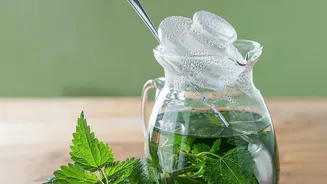
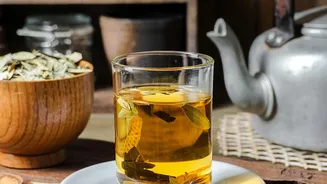
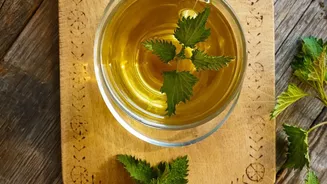
Stinging nettle might not sound like the most inviting ingredient, but once dried, its leaves lose their sting and can be brewed into a deeply nourishing tea. Known locally as 'sisnu' or 'shishun', Himalayan nettle tea is a traditional infusion valued in communities across Uttarakhand and Nepal. This brew has a smooth, earthy flavour that is often described as grounding and savoury. It’s a simple, caffeine-free herbal drink that contains naturally occurring minerals. For those looking for a gentle, non-stimulating hot beverage, nettle tea provides a comforting cup with a subtle, vegetative character that feels both cleansing and restorative.
Rhododendron Flower: A Fragrant Floral Infusion
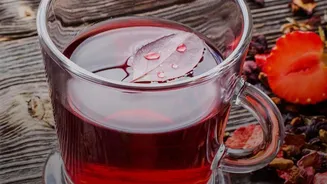
In the spring, the hills of Uttarakhand, Sikkim, and Himachal Pradesh are famously painted in shades of crimson by blooming rhododendron trees, known locally as 'Buransh'. The edible petals of specific high-altitude species are used to create a fragrant, visually stunning ruby-red tea. Traditionally, this floral brew is enjoyed for its soothing properties and has a delicate, slightly sweet taste. It's crucial, however, to source this tea from a trusted supplier, as many rhododendron species are not safe for consumption and can contain toxins. When prepared correctly from the right species, like Rhododendron arboreum, it offers a unique taste of the Himalayan spring.
Sulaimani Chai: The Spiced Black Tea Without Milk
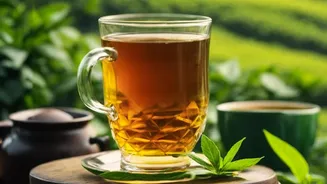
While not strictly a Himalayan invention, Sulaimani chai is a popular milk-free tea enjoyed in many parts of India, with roots in Arab trade along the Malabar coast. It serves as a perfect example of a widely loved decoction that stands apart from standard milk tea. This brew involves boiling black tea with a medley of whole spices like cardamom, cloves, cinnamon, and ginger. It’s served without milk and is often sweetened with a touch of sugar or jaggery, and finished with a squeeze of lemon and sometimes mint leaves. The result is a light, fragrant, and digestive beverage, often consumed after heavy meals to cleanse the palate.