

The Great Grain Rediscovery
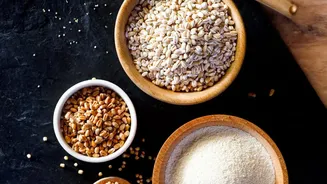
For years, millets were seen as the food of a bygone era, overshadowed by polished rice and refined wheat. But as health consciousness grows, many are rediscovering these 'nutri-cereals' for what they've always been: nutritional powerhouses. This comeback
isn't just a fleeting trend; it's a return to traditional food wisdom. People are seeking balanced, lighter meals, and millets fit perfectly. They are naturally gluten-free, rich in fibre and essential minerals, and sustainable to grow, making them good for both our bodies and the planet.
Foxtail Millet (Kangni): The All-Rounder
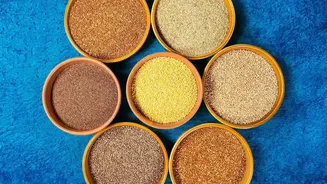
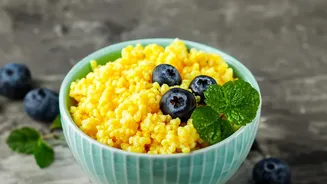
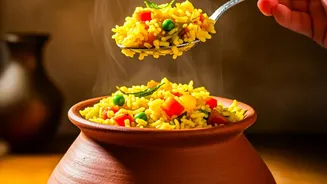
Foxtail millet, known as Kangni, is one of the most versatile and oldest cultivated millets. It's light on the stomach and has a slightly nutty flavour, making it a great substitute for rice. Packed with protein, dietary fibre, iron, and B vitamins, it provides sustained energy. Its low glycemic index helps in managing blood sugar, making it an excellent choice for diabetics. Modern kitchens are using it for everything from upma and pulao to salads and comforting breakfast porridge.
Kodo Millet (Kodra): The Fibre Hero
Kodo millet is a champion when it comes to dietary fibre and managing blood sugar. Its low glycemic index ensures a slow release of glucose into the bloodstream, preventing energy spikes and crashes. This makes it particularly beneficial for individuals with type-2 diabetes. Traditionally used in rural communities, it is now being used as a healthier alternative to rice in dishes like khichdi, curd rice, and even dosa and idli batters. It's also rich in B vitamins and minerals like magnesium, which improves insulin sensitivity.
Finger Millet (Ragi): The Calcium King
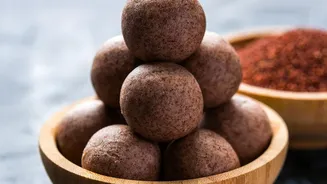
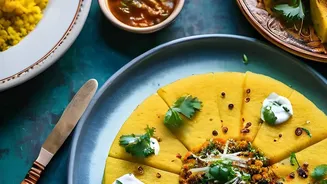
Ragi is perhaps one of the most well-known millets, especially in South India. It is celebrated for its exceptional calcium content, which is vital for bone health in both children and adults. Besides calcium, it's also a great source of iron and amino acids, helping to combat anaemia. Its earthy flavour lends itself well to traditional preparations like ragi mudde and porridge. But its modern avatar is just as popular, with ragi finding its way into healthy cookies, pancakes, rotis, and dosas.
Pearl Millet (Bajra): The Winter Warmer
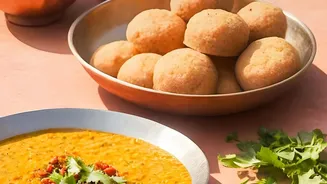
A staple in states like Rajasthan and Gujarat, Bajra is known for its warming properties, making it ideal for winter meals. It is dense in nutrients, particularly iron, protein, and magnesium, which supports heart health and can help regulate blood pressure. The high fibre content aids digestion and promotes a feeling of fullness. While traditionally enjoyed as thick rotis (bhakri) served with ghee and jaggery, bajra flour is also being used to make nutrient-dense khichdi and other savoury dishes.
How to Start Your Millet Journey
Incorporating millets into your diet is easier than you think. You don't need to make a drastic switch overnight. Start by replacing a portion of your rice with a cooked millet like foxtail or little millet. Another simple method is to mix millet flour, such as ragi or jowar, with your regular wheat flour when making rotis. You can also try familiar recipes like upma, khichdi, or porridge using millets instead of semolina or rice. The key is to rinse the millets well and, for some types, soak them for a bit to ensure they cook up soft and fluffy.