




The New Star on the Menu
Walk into a trendy gastropub or a modern Indian bistro in any major city today, and you’re likely to find it nestled among the sliders and loaded fries: the paneer taco. Once a novelty, this fusion dish has exploded in popularity, becoming a menu mainstay
for restaurants looking to capture the modern Indian palate. It’s a dish that feels both global and deeply familiar, offering the comforting appeal of paneer wrapped in the exciting, handheld format of a taco. From casual chains like Social to upscale eateries like Farzi Café, everyone seems to be placing their chips—or rather, their tortillas—on this innovative creation. It's no longer a question of 'if' you'll see it, but 'how' it will be presented.
A Match Made in Fusion Heaven
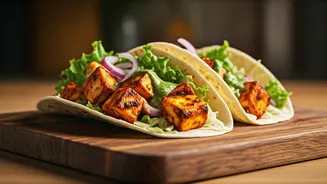
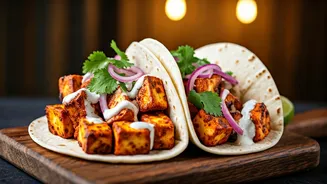
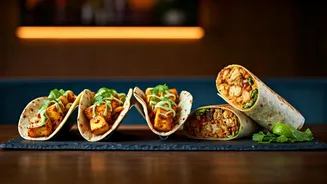
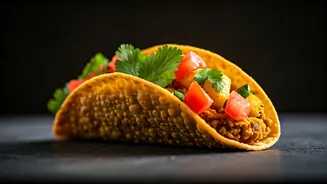
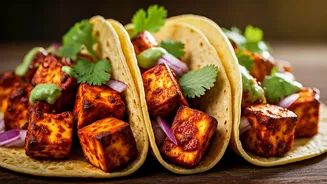
So, why does this combination work so well? The magic lies in paneer’s unique properties. Unlike other proteins, paneer is a brilliant flavour sponge. Its mild, milky taste and firm, crumbly texture make it the perfect canvas for the bold, smoky, and spicy marinades inspired by Mexican cuisine. While traditional tacos rely on minced meat or beans, paneer offers a satisfyingly ‘meaty’ bite without the meat. It readily soaks up marinades like chipotle-lime, fiery peri-peri, or even a tandoori-style masala, creating a flavour explosion with every mouthful. Paired with the crunch of a fresh corn or flour tortilla, the coolness of sour cream or a yogurt-based crema, and the sharpness of a pico de gallo or a kachumber-style salsa, the paneer taco becomes a masterclass in textural and flavour contrast. It’s a culinary bridge between two worlds that, it turns out, have a lot in common.
More Than Just a Culinary Gimmick
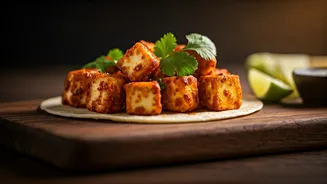
Restaurants aren’t just adding paneer tacos to their menus for fun; it’s a smart business decision. Firstly, the dish taps directly into India's massive vegetarian market, offering an exciting and substantial option that goes beyond the usual paneer tikka. It appeals to younger diners who crave global food experiences but still find comfort in familiar ingredients. Secondly, the paneer taco is incredibly 'Instagrammable.' Its vibrant colours—from the charred paneer and bright green coriander to the red salsa and white crema—make it a visually appealing dish that diners love to share online, providing free and effective marketing for the restaurant. It represents the perfect storm of commercial appeal: it’s vegetarian-friendly, globally trendy, and visually stunning. This isn’t a fleeting fad; it’s a strategic menu item designed for maximum appeal and profitability.
Not All Paneer Tacos Are Created Equal
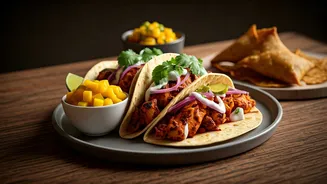
The beauty of this trend is its versatility. Chefs are putting their own unique spin on the concept, leading to a delightful variety of options. Some restaurants go for a more traditional Mexican flavour profile, using adobo-spiced paneer with black beans and corn salsa. Others lean into the Indian side of the fusion, serving tandoori paneer tacos with a mint-chutney drizzle and pickled onions. You might find paneer bhurji tacos that mimic the texture of minced meat, or crispy-fried paneer cubes that offer an extra layer of crunch. The tortillas vary too, from soft flour to crispy corn shells and even healthier whole-wheat or millet options. The toppings are where the creativity truly shines, with everything from guacamole and jalapeños to avocado-makhani sauce and lachha onion slaw. This diversity ensures that the trend remains fresh and exciting, inviting diners to try different interpretations of their new favourite dish.
The Future of Indian Fusion
The resounding success of the paneer taco says a lot about the current state and future direction of modern Indian cuisine. It signals a new era of confidence where Indian chefs are no longer just replicating Western dishes but are playfully and skilfully integrating Indian ingredients and techniques into global formats. This isn't about 'authenticity' in the traditional sense; it's about creating something new that is authentically delicious and relevant to today's diner. The paneer taco is a testament to a food culture that is open, experimental, and proud of its roots, yet unafraid to look outwards for inspiration. It paves the way for even more inventive fusions, proving that the possibilities are endless when culinary creativity has no borders.