




The Foundation: Agriculture's Lifeline
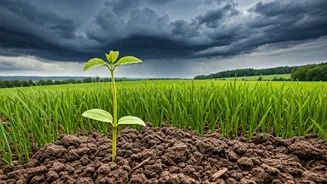
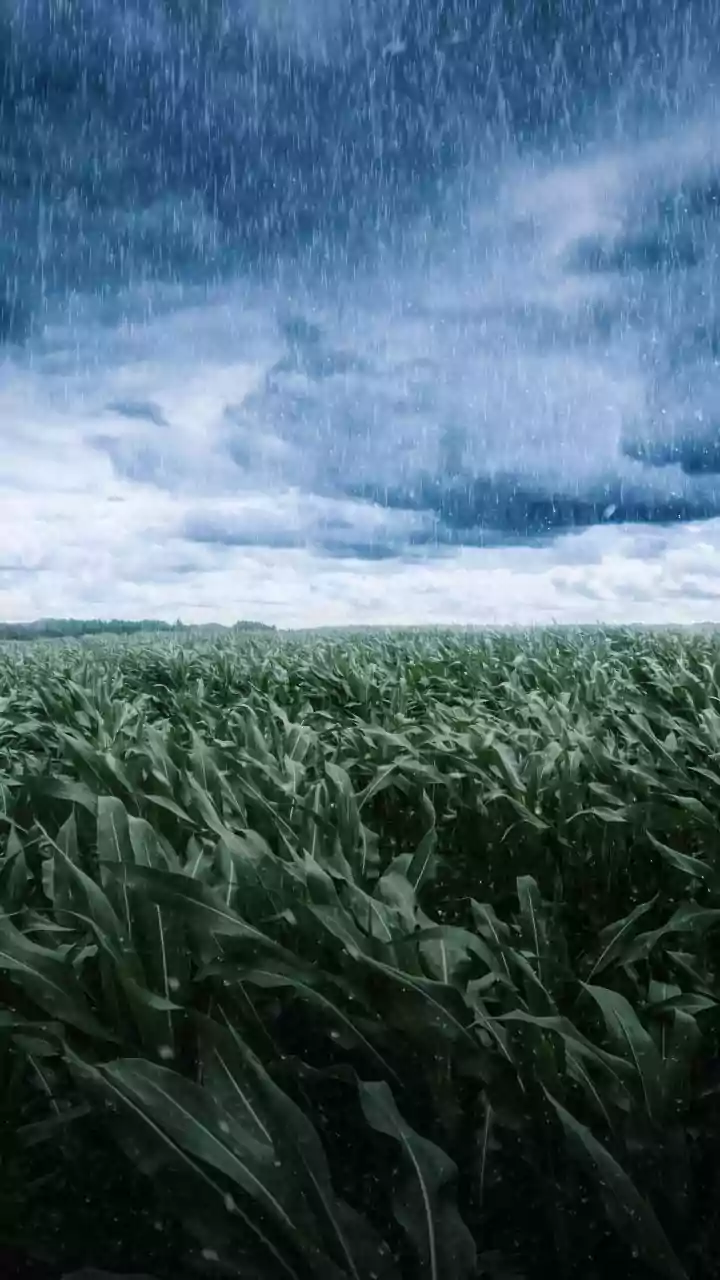
The Indian economy's fate is deeply intertwined with the monsoon, which delivers about 70% of the country's annual rainfall. [17, 23] This is especially critical for the agriculture sector, which contributes around 18% to the economy and supports nearly
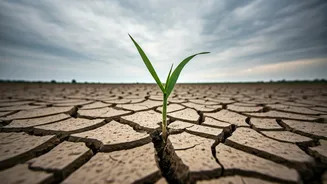
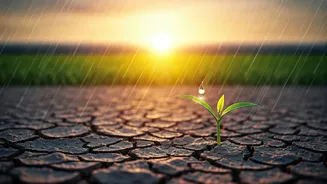
half the population. [8, 16] Nearly half of India's farmland lacks irrigation, making it directly dependent on the monsoon for kharif crops like rice, cotton, soybeans, and pulses. [9, 13] A strong, evenly distributed monsoon leads to bountiful harvests, but a weak or erratic one, like the deficit seen in June 2026, can delay sowing, reduce yields, and put immense pressure on farmers. [2, 13, 15] While timely forecasts and adaptive farming practices can offer some cushion, the performance of the monsoon remains the single most important factor for agricultural output. [2, 18]
From the Farm to Your Wallet
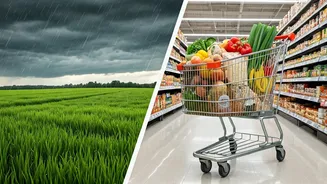
The most immediate impact of a poor monsoon for urban consumers is on food prices. [13] Lower crop production tightens supply, leading to higher inflation, particularly for essentials like vegetables and pulses. [19] Some projections suggest that a significant rainfall deficit during the season could substantially increase food inflation, which in turn pushes up the overall consumer price index. [7] This directly affects every household's budget, reducing purchasing power and discretionary spending. [19] While the relationship isn't always linear, as government policies and global prices also play a role, a weak monsoon almost always creates upward pressure on the cost of your groceries. [6, 13] The Reserve Bank of India watches the monsoon's progress closely, as persistent food inflation can limit its ability to make borrowing costs cheaper for consumers and businesses. [7, 20]
Powering the Nation and Quenching Its Thirst
The monsoon's influence extends far beyond agriculture to water security and electricity generation. [14] The seasonal rains are vital for replenishing reservoirs that supply drinking water to countless towns and cities. [14, 23] A deficit, as seen with the delayed arrival of the 2026 monsoon, can lead to falling reservoir levels and potential water shortages. [2, 10] Furthermore, these reservoirs feed India's hydropower plants. A weak monsoon can reduce electricity generation from these sources, potentially by as much as 10% in a deficient year, putting more pressure on the power grid during periods of high demand. [22] While India has reduced its dependency on hydropower by expanding solar and wind energy, it remains a crucial component of the nation's energy mix. [2, 23]
The Engine of Rural Demand
A good monsoon season translates to higher farm incomes, which then fuels the rural economy. This is a critical driver of demand for a wide range of industries. When farmers have a profitable season, they spend more on everything from tractors and motorcycles to consumer goods like televisions and smartphones. [4, 7] This rural consumption accounts for a significant portion of sales for many major companies. [4] Conversely, a poor monsoon suppresses rural incomes, leading to a slowdown in demand. [17, 18] This can create a ripple effect across the economy, impacting corporate earnings and overall industrial production, making the monsoon a key indicator of the health of broad-based consumer demand in the country. [4, 9]