





Step 1: Secure Your Defences Against Leaks
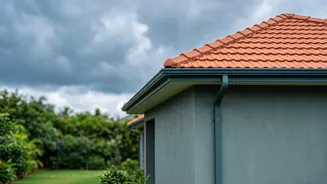
Your home's first line of defence against the monsoon is its exterior. Leaks often start small but can lead to significant structural damage and ruined interiors. Start with a thorough inspection of your roof and walls well before the heavy rains begin.
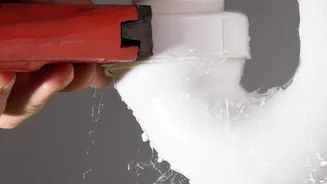
Look for any visible cracks, missing or damaged tiles, or signs of wear. It's crucial to repair these issues promptly. Applying a fresh coat of waterproof paint on exterior walls provides an excellent barrier against moisture. Pay special attention to drainage systems. Clogged gutters and pipes are a primary cause of water overflow, which can seep into your foundation and walls. Before the monsoon, clear all drains of leaves, dirt, and debris to ensure rainwater flows away from your home's structure. Also, inspect the seals around windows and doors. Gaps can be sealed with weather-stripping or caulk to prevent water from being driven inside by wind and rain.
Step 2: Combat Dampness and Mould
High humidity during the monsoon creates the perfect breeding ground for mould and mildew, which can cause a musty odour and pose health risks. The key to controlling this is managing indoor moisture levels. Ensure your home has adequate ventilation to keep air circulating. On dry, less humid days, open windows to let fresh air in. In moisture-prone areas like kitchens and bathrooms, consistently use exhaust fans to expel damp air. A dehumidifier can be a valuable investment for maintaining optimal indoor humidity. Wooden furniture and fixtures are particularly vulnerable to swelling and damage from moisture. Keep furniture a few inches away from walls to improve air circulation and prevent direct contact with potentially damp surfaces. Placing silica gel packets or camphor in wardrobes and bookshelves can help absorb excess moisture and protect your clothes and books.
Step 3: Prioritise Electrical Safety
The combination of moisture and electricity is a serious hazard during the monsoon. Before the rains, it's wise to have a licensed electrician inspect your home’s wiring. Look for any frayed or exposed wires and ensure all connections are secure and properly insulated. Outdoor electrical fittings must be waterproof and well-sealed. A crucial safety measure is to install or check your Earth Leakage Circuit Breaker (ELCB) or Residual Current Circuit Breaker (RCCB). These devices are designed to quickly cut off the power supply in case of a leakage, preventing electric shocks. During heavy thunderstorms, power surges from lightning can damage expensive electronics. It's best to unplug non-essential appliances like televisions and computers during a storm. Never touch switches or appliances with wet hands, and keep electrical devices away from open windows where rain might get in. Educating all family members, especially children, about these basic electrical safety rules is essential for a hazard-free monsoon.
Step 4: Conduct a Final Check
A few final checks can make all the difference. Make sure any outdoor furniture is either covered with waterproof sheets or moved indoors to protect it from degradation. If you have carpets or rugs, consider rolling them up and storing them during the peak rainy season, as they can trap moisture and develop a musty smell. Inspect your home for any gaps in walls or floors that could become entry points for pests like termites and mosquitoes, which thrive in damp conditions. Sealing these entry points and ensuring there is no stagnant water around your home will help keep these unwanted guests at bay. Finally, prepare a small emergency kit with essentials like a flashlight, first-aid supplies, and contact numbers for emergency services, just in case of a power outage or other storm-related issue.