




What is HIIT?
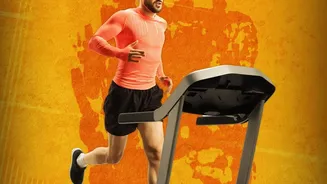
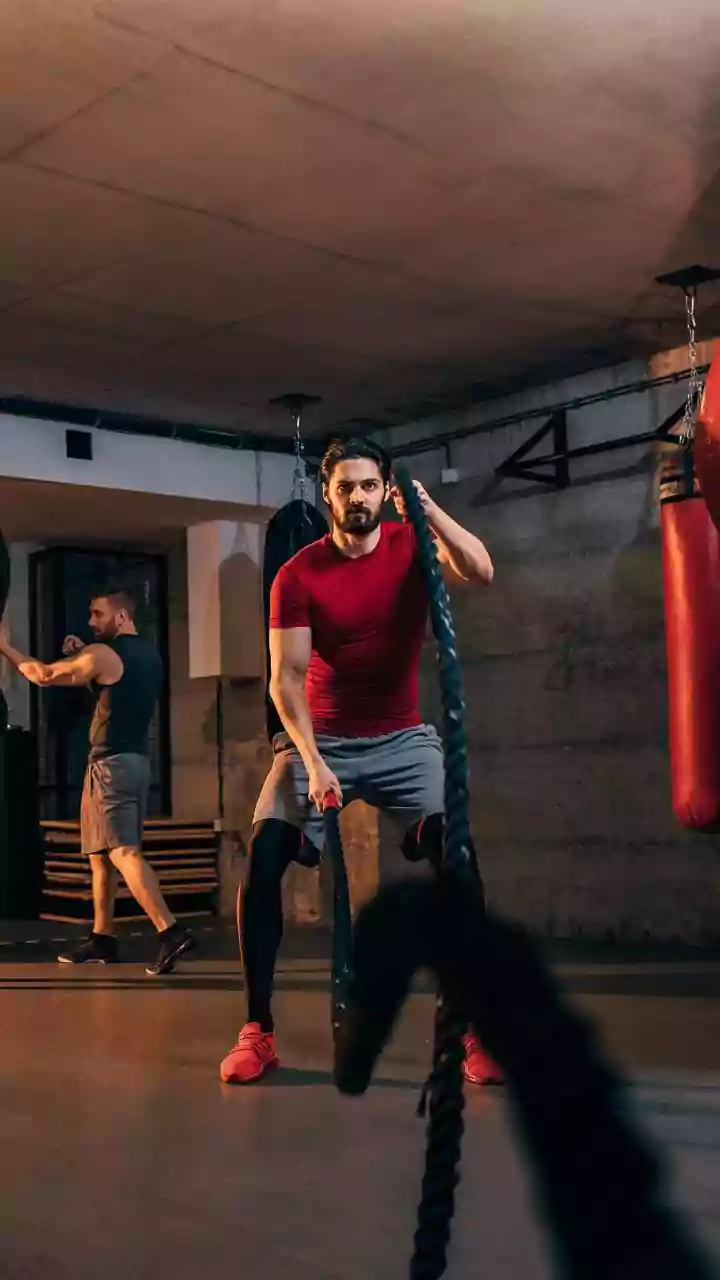
HIIT, or High-Intensity Interval Training, is all about efficiency. It involves short, explosive bursts of all-out exercise followed by brief periods of rest or low-intensity movement. Think of it as a series of sprints, not a marathon. A typical HIIT session
might involve 30 seconds of burpees or fast cycling, followed by 30 seconds of rest, repeated for 15 to 20 minutes. The goal is to push your heart rate to 80% or more of its maximum capacity during the intense intervals. This method is designed to deliver the benefits of a much longer workout in a fraction of the time.
What is LISS?
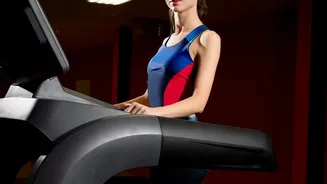
LISS, or Low-Intensity Steady-State, is the opposite. It involves performing an aerobic activity at a consistent, low-to-moderate pace for a continuous and often longer period, typically 30 to 60 minutes. Examples include brisk walking, light jogging, swimming, or cycling at a comfortable pace. The aim is to keep your heart rate in a steady zone, around 50-65% of your maximum. Unlike HIIT, you should be able to hold a conversation comfortably during a LISS session. It's less about intensity and more about endurance and consistency.
The Case for HIIT: Maximum Results, Minimum Time
For the time-crunched desk worker, HIIT's biggest selling point is its efficiency. You can achieve significant cardiovascular benefits in sessions as short as 10 to 30 minutes. Research shows HIIT is highly effective at burning calories and can boost your metabolism for hours after you've finished exercising, a phenomenon known as the 'afterburn effect'. This makes it a powerful tool for fat loss. Studies on office workers have found that even a few short HIIT sessions a week can improve fitness, energy levels, and mood, directly combating the afternoon slump.
The Case for LISS: Sustainable, Safe, and Stress-Relieving
LISS may take more time, but its benefits are substantial, especially for those new to exercise or deconditioned from prolonged sitting. Because it's low-impact, LISS is gentler on the joints, reducing the risk of injury. This makes it a safer starting point and a more sustainable long-term habit for many. LISS is also excellent for building an endurance base and improves the body's ability to use fat for fuel. Furthermore, its steady, rhythmic nature can act as a form of moving meditation, helping to reduce stress and improve mental clarity after a demanding workday.
The Verdict for Desk Workers
So, which is truly better? The answer depends on your goals, schedule, and current fitness level. If your primary goal is to burn the maximum number of calories in the shortest amount of time, HIIT is the clear winner. It’s ideal for busy professionals who need to squeeze a workout into a lunch break. However, its high-intensity nature comes with a greater risk of injury and can be mentally daunting, potentially leading to burnout. LISS is the safer, more accessible option. It's perfect for beginners, active recovery days, and anyone who prefers a less stressful form of exercise. While a LISS session needs to be longer to burn a similar number of calories, its consistency can lead to excellent long-term fat loss and cardiovascular health improvements. For someone sitting all day, starting with LISS can help build a solid fitness foundation before incorporating the high-impact movements of HIIT.