




More Than Just a Dessert
During Durga Puja, sweets are not merely a culinary indulgence; they are a vital part of the cultural and spiritual fabric. These delectable creations are woven into every stage of the five-day festival, transforming from sacred offerings for the goddess
into shared tokens of joy and togetherness. In Bengali culture, food is a primary love language, and during Puja, sweets are its most eloquent expression. They represent purity, prosperity, and the simple, profound happiness of the festive season. Each bite carries stories of tradition, family recipes passed down through generations, and the collective spirit of a community united in celebration.
Offerings of Devotion and Gratitude
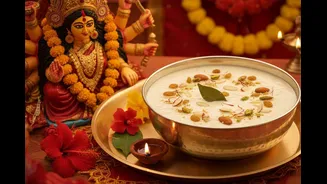
The role of sweets begins as a sacred offering, or 'bhog'. Devotees present boxes of mishti to Goddess Durga as a symbol of reverence and gratitude. Simple, homemade sweets made from ingredients like coconut, jaggery, rice flour, and milk are central to these rituals. Items like Narkel Naru (coconut laddoos) and Chaal-er Payesh (rice pudding), also called Paramanna, are considered pure and are essential offerings. This act of presenting sweets to the deity is a gesture of devotion, a way of pleasing the goddess and seeking her blessings. Once offered, these sweets become 'prasad', distributed among the faithful to share the divine blessings.
The Sweet Glue of Community
Beyond the rituals, sweets are the glue that binds the community. In many Bengali households, the preparation of Puja sweets is a cherished tradition that brings families together. Women gather in the kitchen, sharing stories and laughter as they roll Narkel Naru or press Sandesh into ornate moulds. This act of cooking together reinforces familial bonds and keeps culinary heritage alive. The spirit of sharing extends beyond the home. On Vijayadashami, the final day of the festival, a ritual known as 'mishti mukh' (sweetening the mouth) takes place. Families visit each other's homes to exchange greetings and share sweets, reinforcing friendships and wishing each other a year of good fortune. A box of assorted Sandesh or a container of Rosogolla becomes a vehicle for goodwill and social connection.
An Encyclopedia of Sweet Delights
The variety of sweets enjoyed during Durga Puja is vast, each with its own unique texture and flavour. The iconic Rosogolla, spongy cheese balls soaked in light sugar syrup, is a symbol of purity and a festive must-have. Sandesh, made from fresh cottage cheese ('chhena'), comes in countless forms, from the simple 'makha' sandesh to the seasonal 'Nolen Gurer' Sandesh, flavoured with date palm jaggery. Narkel Naru, chewy coconut balls made with either sugar or jaggery, is a nostalgic homemade favourite that evokes the warmth of family kitchens. Then there is Mishti Doi, a sweet, fermented yoghurt with a caramel hue and creamy texture, often served as a cooling counterpoint to rich festive meals. These sweets are not just food items; they are edible emblems of Bengali culture.
A Bittersweet Farewell
As the festival draws to a close, sweets play a final, poignant role. During the 'baran' or farewell ritual, married women offer a final prayer to the goddess, feeding her a piece of Sandesh before her idol is taken for immersion. This act is a bittersweet gesture, a sweet farewell to the daughter returning to her heavenly abode. The subsequent 'mishti mukh' among friends and family helps to soothe the sadness of the festival's end, replacing it with the promise of future joy and the sweet aftertaste of togetherness. It encapsulates the very essence of the festival: a cycle of joyous arrival, heartfelt devotion, and the sweet melancholy of departure, all marked by the unforgettable taste of traditional mishti.