





Start with Drainage
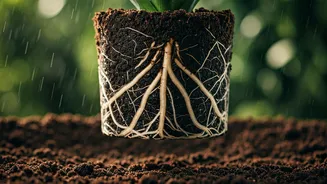
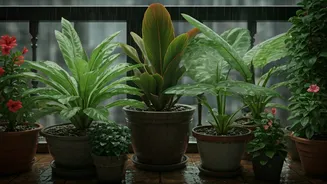
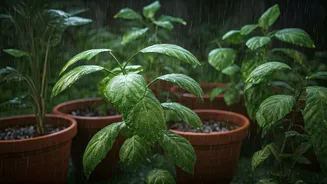
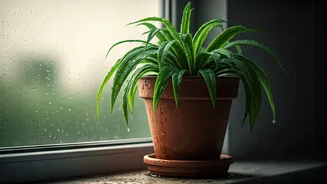
The single biggest threat to plants during the rainy season is waterlogging. When roots sit in soggy soil, they can't access oxygen, leading to root rot, a common and often fatal issue. The first step in your reset is to tackle drainage. For potted plants,
ensure every container has clear, unblocked drainage holes. If you suspect a blockage, gently repot the plant with fresh, well-draining soil. A great tip is to elevate your pots using bricks, stands, or 'pot feet' to prevent them from sitting in puddles and to improve airflow. For garden beds, amending heavy soil with compost or coarse sand can significantly improve its structure and ability to drain excess water.
Prune for Airflow and Health
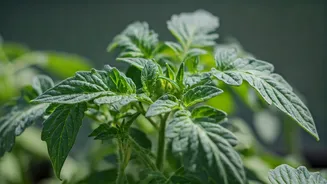
Lush, dense foliage might look beautiful, but in a humid monsoon environment, it's an open invitation for fungal diseases. A crucial part of your garden reset is strategic pruning. Trim away any dead, yellowing, or overcrowded branches to improve air circulation around your plants. This simple act helps leaves dry faster after a shower, reducing the risk of fungal foes like powdery mildew and leaf spot. Regular pruning also encourages healthier, more robust new growth and helps maintain the plant's shape, which can be vulnerable to damage from heavy winds and rain. Always use clean, sharp shears to make precise cuts and avoid spreading potential diseases.
Manage Pests Proactively
The damp, humid weather is a paradise for common garden pests. Snails, slugs, aphids, and mealybugs multiply rapidly in these conditions. A proactive approach to pest management is essential. Regularly inspect your plants, paying close attention to the undersides of leaves and new shoots where pests often hide. For slugs and snails, manual removal during the early morning or evening is effective. For sap-sucking insects like aphids, a simple spray made of neem oil, a few drops of mild liquid soap, and water is a powerful organic solution. Planting companion plants like marigolds can also naturally repel certain pests.
Rethink Your Watering and Feeding Schedule
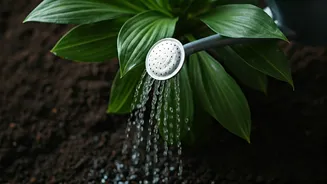
It may seem counterintuitive, but it's important to monitor your watering during the rainy season. Overwatering is a common mistake that can be fatal. Always check the soil before reaching for the watering can; poke your finger about an inch deep, and if it feels moist, hold off. On the other hand, constant heavy rain can wash away essential nutrients from the soil, leaving your plants hungry. This is where a revised feeding schedule comes in. Reduce the frequency of fertilizing, perhaps to once every three to four weeks. Opt for liquid or water-soluble fertilizers for quick absorption, or use slow-release organic options like compost and vermicompost, which also help improve soil structure.
Choose the Right Plants and Plan Ahead
Part of a successful reset involves working with the season, not against it. Focus on plants that thrive in the Indian monsoon. Species like hibiscus, jasmine, areca palm, and various ferns love the humidity and moisture. If you have a kitchen garden, this is the perfect time to grow vegetables like okra, gourds, beans, and leafy greens such as spinach. By choosing monsoon-friendly plants, you set your garden up for success with less effort. This is also an excellent time to plan for the next season. As the monsoon wanes, you can start sowing seeds for winter-flowering plants, ensuring your garden remains a source of joy year-round.