






The Great Escape from the Gym
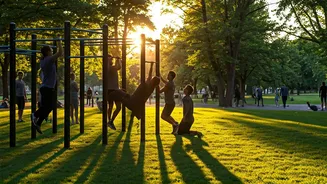
It’s a peculiar migration. After an intense session of lifting weights or running on a treadmill, a growing number of urbanites are extending their workout. But instead of more time under fluorescent lights, they’re seeking out the nearest patch of green.
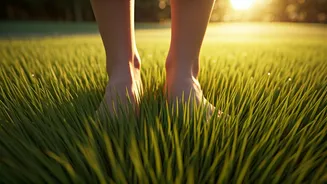
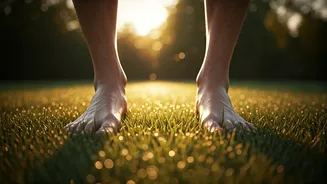
This isn’t a leisurely stroll; it’s a focused practice known as barefoot mobility. They are consciously swapping the sterile, predictable floor of the gym for the unpredictable, sensory-rich texture of natural earth. This trend combines three powerful wellness concepts: the biomechanical benefits of barefoot training, the functional necessity of mobility work, and the psychological comfort of connecting with nature.
Why Go Barefoot?
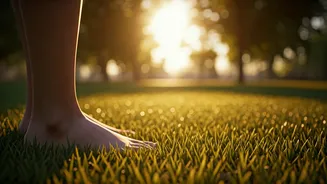
Our feet are engineering marvels, containing over 26 bones, 33 joints, and hundreds of muscles, ligaments, and nerves. Yet, we spend most of our lives encasing them in shoes, which can act like a cast, weakening intrinsic foot muscles and dulling sensory feedback. Going barefoot, especially on a varied surface like grass, reawakens the nerves in the soles of your feet. This enhances proprioception—your body's ability to sense its position in space. Think of it as upgrading your body's internal GPS. Better proprioception leads to improved balance, more efficient movement patterns, and a potential reduction in injuries, not just in your feet but all the way up the kinetic chain to your hips and back. You learn to land softer, grip the ground better, and stabilise yourself from the ground up.
The Magic of Mobility Drills
This isn't just about walking around without shoes. The practice is centred on mobility drills—slow, controlled movements designed to improve the range of motion in your joints. Unlike static stretching, which focuses on lengthening muscles, mobility work targets the joint capsules themselves. For the modern urban professional who spends hours hunched over a desk or a phone, this is critical. Drills like deep squats, ankle rotations, and hip circles help to undo the stiffness accumulated from a sedentary lifestyle. Performing them on grass adds an extra layer of challenge. The uneven surface forces the small stabilising muscles in your feet and ankles to work harder, making the drills more effective and functional for real-world activities.
The 'Grass' is Greener for Your Brain
The choice of grass is no accident. Beyond the tactile benefits for your feet, being in nature has well-documented positive effects on mental health. This concept, known as biophilia, suggests that humans have an innate tendency to seek connections with nature. Even a short 15-20 minute session in a green space can help lower cortisol (the stress hormone), reduce mental fatigue, and improve mood. Some practitioners also believe in 'grounding' or 'earthing'—the idea that direct physical contact with the earth's surface can lead to health benefits. While the science on grounding is still developing and debated, the psychological benefits of feeling the cool, soft grass under your feet after a long day in a concrete jungle are undeniable for many.
How to Start Your Barefoot Journey
Curious to try? The best part is the low barrier to entry. Find a clean, safe patch of park grass you know is free from sharp objects or waste. Start slow. Your feet have likely been 'asleep' in shoes for years, so they need time to adapt. Begin with just 5-10 minutes of walking barefoot on the grass to get accustomed to the sensation. Then, you can incorporate simple drills.
- **Ankle Circles:** Sit or stand and slowly rotate each ankle, 10 times clockwise and 10 times counter-clockwise.
- **Toe Yoga:** Try to lift just your big toe while keeping the others down, then reverse. Spread your toes as wide as you can.
- **Deep Squat Hold:** With your feet flat on the ground, lower yourself into a deep squat and hold for 30-60 seconds, gently rocking side to side to open up your hips and ankles.
Listen to your body. If you feel any sharp pain, stop. The goal is gentle exploration, not intense exercise.